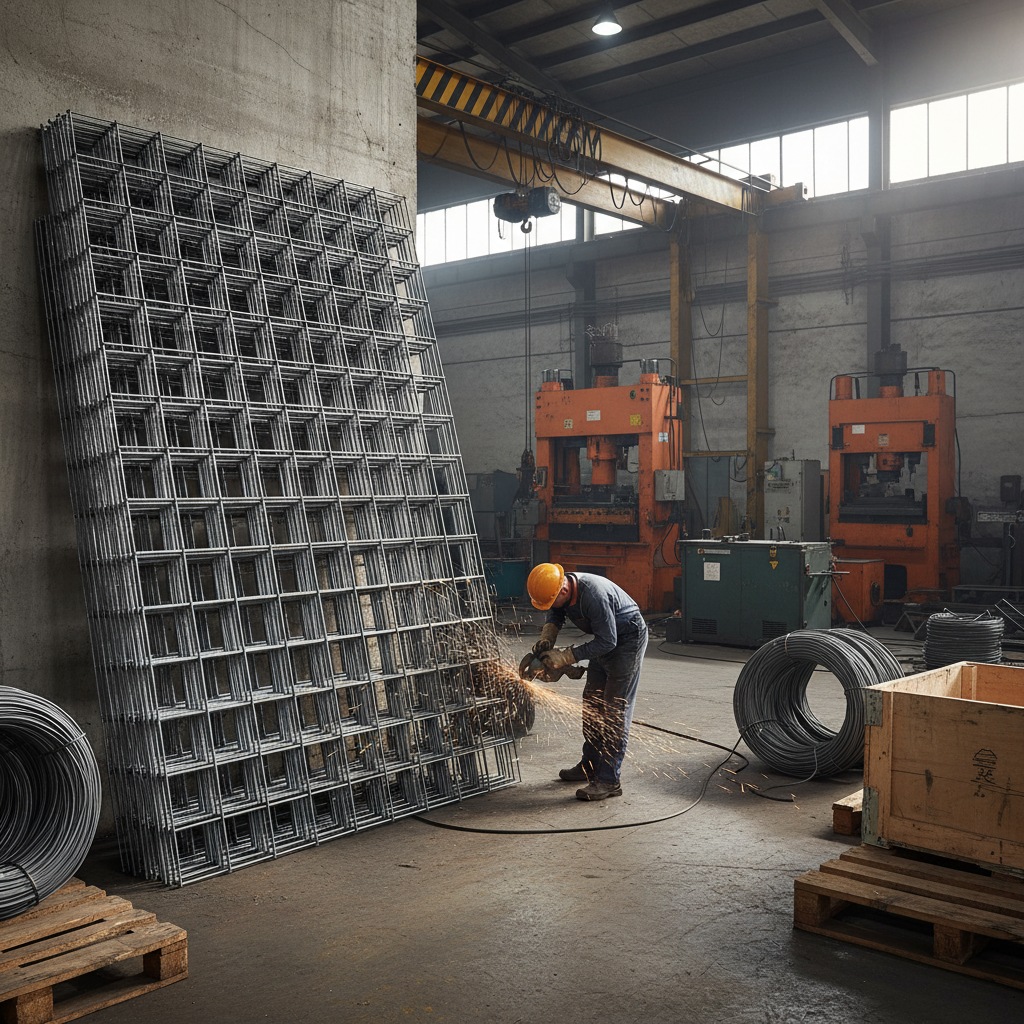
The versatility of a wire mesh grid is often underestimated, serving as a foundational element in countless industrial and commercial applications worldwide. From high-precision filtration systems in pharmaceutical plants to heavy-duty security fencing in urban infrastructure, the strategic use of metal grids ensures stability, safety, and efficiency. Understanding the nuances of material selection and grid geometry is essential for engineers and procurement specialists aiming to optimize their project longevity.
In today's globalized manufacturing landscape, the demand for high-quality wire mesh grid solutions has surged, driven by the need for sustainable and durable building materials. The integration of advanced alloys and precision welding techniques has transformed these simple grids into engineered components capable of withstanding extreme temperatures and corrosive environments. This evolution reflects a broader industry shift toward performance-driven design and resource efficiency.
Whether it is for food-grade processing trays or architectural decorative panels, choosing the right wire mesh grid can significantly reduce operational costs and maintenance overhead. By balancing aperture size, wire gauge, and coating types, businesses can achieve a perfect equilibrium between transparency and strength. This comprehensive guide explores the technical depth and practical utility of wire mesh systems in modern industry.
Global Industry Context of Wire Mesh Grid
The global market for wire mesh grid systems is intricately linked to the growth of the construction and manufacturing sectors. According to ISO standards for metal products, the standardization of mesh apertures and wire diameters has enabled seamless international trade and implementation. As emerging economies expand their urban infrastructure, the demand for standardized welded and woven grids has reached an all-time high to support safe building practices.
However, the industry faces a critical challenge: the battle between cost-efficiency and environmental durability. Many legacy systems fail prematurely due to corrosion, leading to significant economic losses and safety risks. The transition toward high-grade stainless steel and specialized coatings is no longer a luxury but a necessity to meet the stringent safety codes of modern industrial zones.
Defining the Technical Scope of Wire Mesh Grid
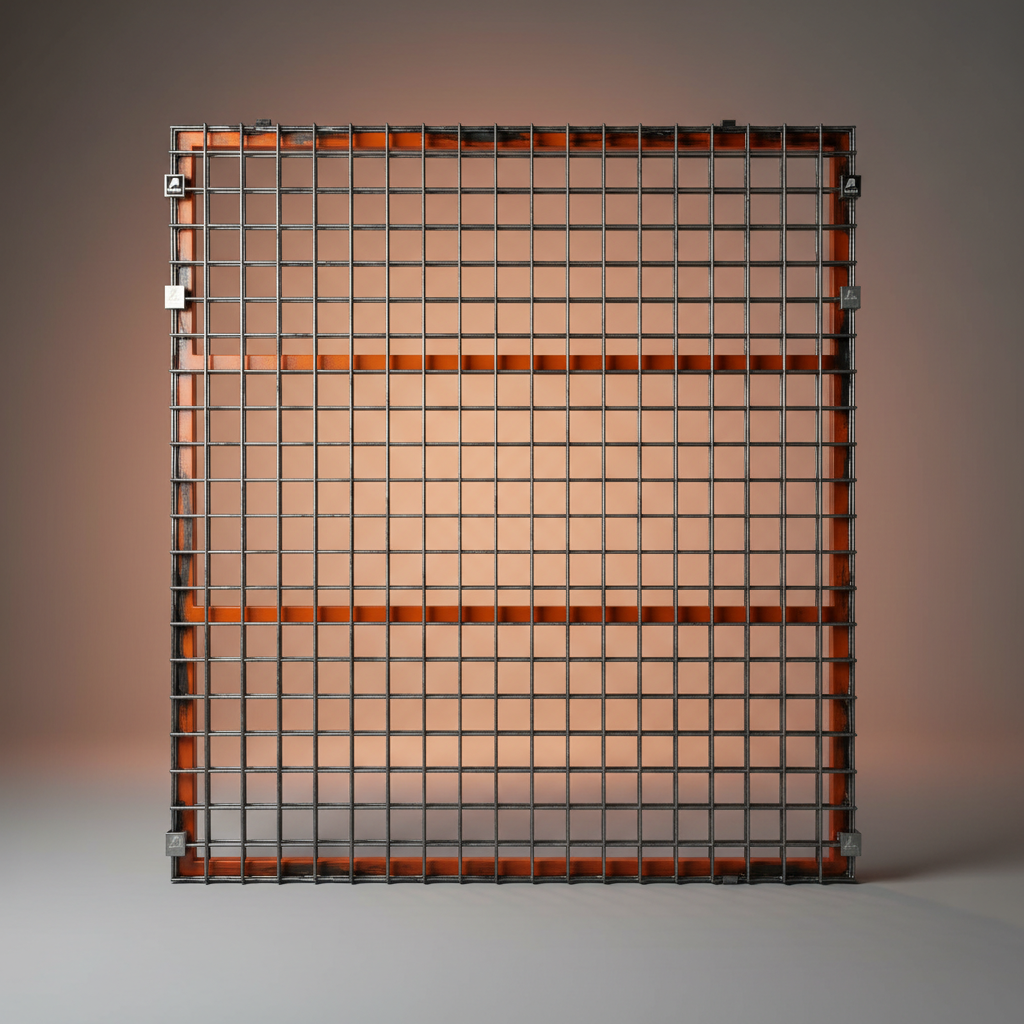
At its core, a wire mesh grid is a structured network of intersecting metal wires, joined either by weaving, welding, or knitting. This simple geometry creates a permeable barrier that can be tailored for a multitude of functions, ranging from coarse debris filtering to high-security perimeter protection. The "grid" aspect refers to the mathematical precision of the openings, which determines the product's capacity for airflow, light transmission, and load-bearing strength.
In modern industry, these grids are far more than mere fences. They are integrated into complex machinery as vibration screens, catalyst supports in chemical reactors, and specialized trays in food processing. The ability to customize the wire gauge and the mesh size allows engineers to create solutions that meet specific humanitarian needs, such as low-cost agricultural fencing in rural development projects or high-strength safety barriers in mining operations.
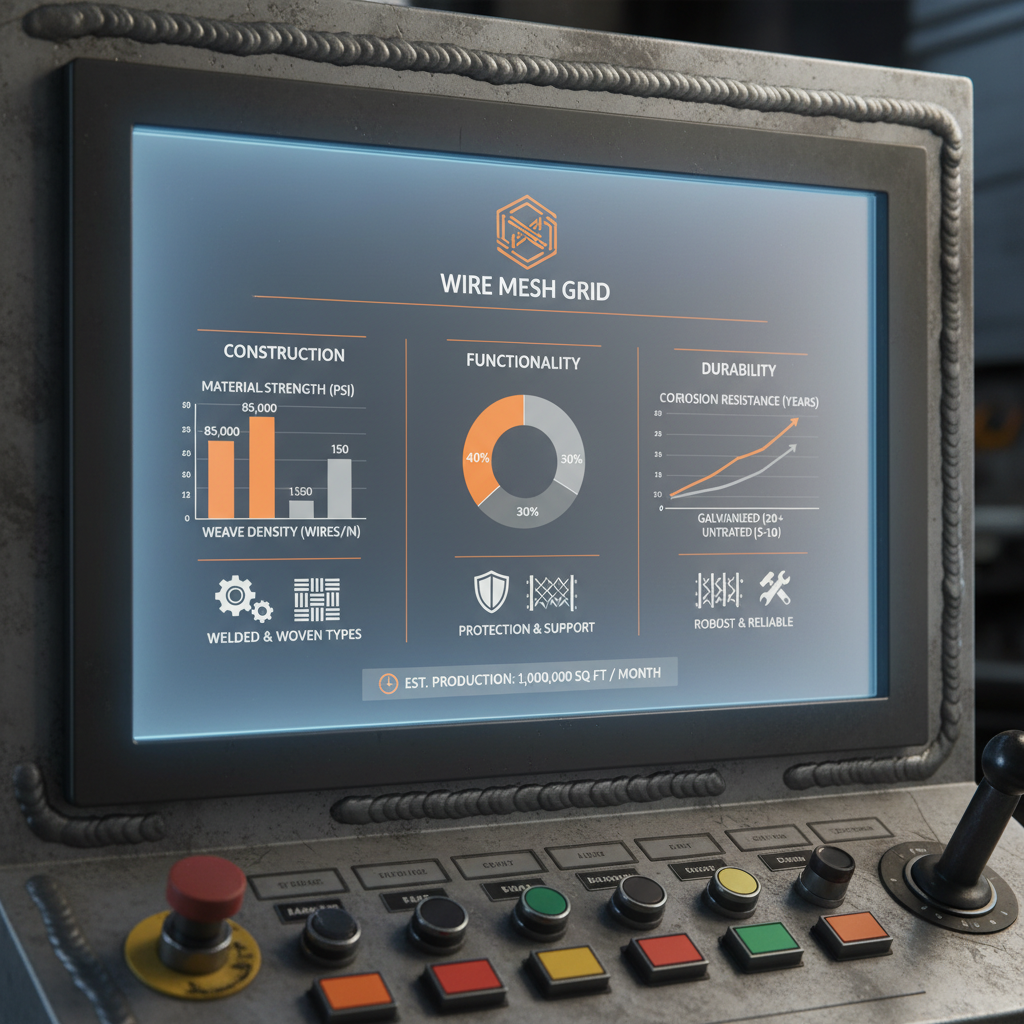
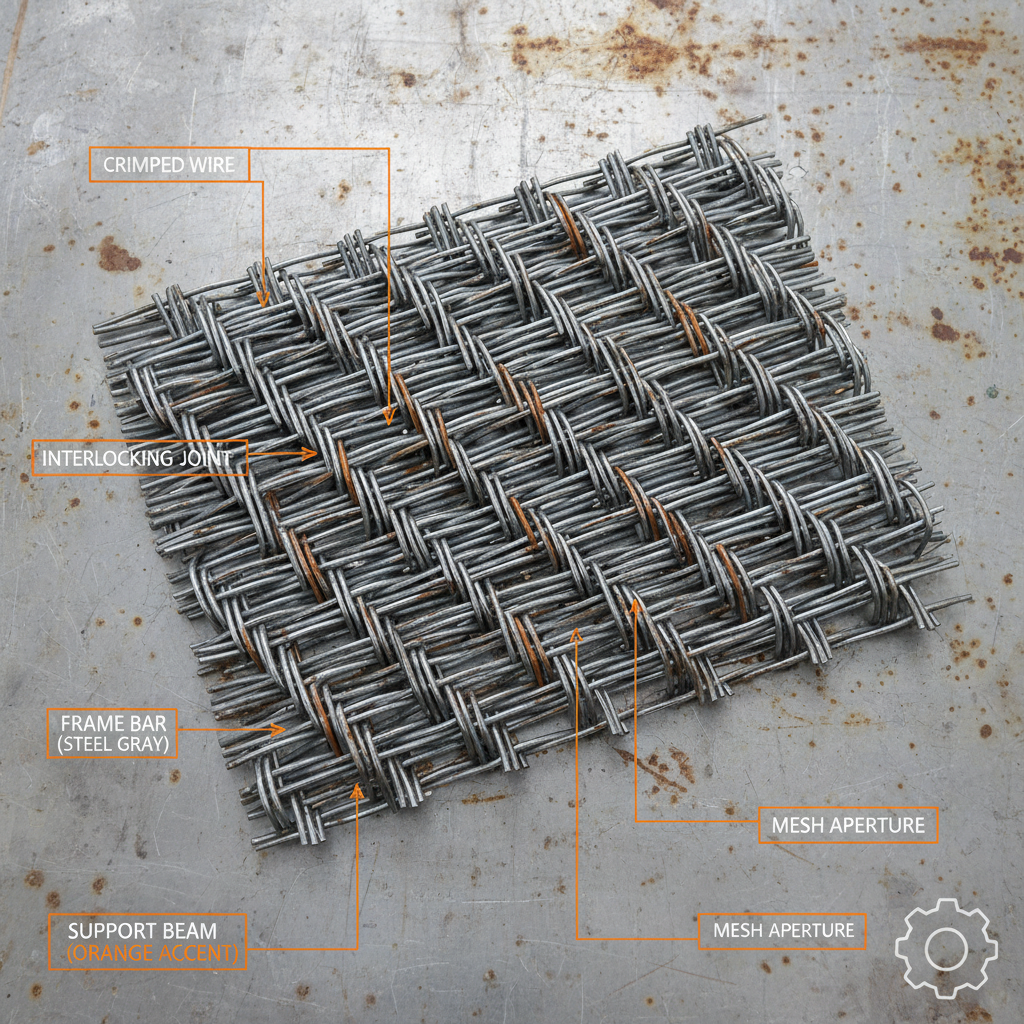
The distinction between "woven" and "welded" grids is paramount. Woven wire mesh grid offers superior flexibility and is often used in filtration, while welded grids provide rigid structural integrity, making them ideal for shelving, partitions, and architectural supports. Understanding this fundamental difference is the first step in ensuring the chosen material aligns with the project's mechanical requirements.
Core Components and Quality Factors
The durability of a wire mesh grid begins with material purity. Whether using Grade 304 or 316 stainless steel, the chemical composition determines the grid's resistance to oxidation and chemical attack. A high-quality grid must maintain dimensional stability, ensuring that the apertures do not warp under pressure or heat, which is critical for precision filtering applications.
Beyond materials, the welding integrity of the wire mesh grid is a primary quality indicator. In welded grids, the fusion point between longitudinal and transverse wires must be seamless to prevent structural failure. Cold-welding and resistance-welding techniques are often employed to ensure that the joints are as strong as the wires themselves, preventing the "unraveling" effect seen in low-grade products.
Finally, surface treatment plays a decisive role in the lifecycle of the product. Galvanization, powder coating, and electro-polishing are used to enhance the wire mesh grid's aesthetic appeal and protective layer. For food-grade or medical applications, electro-polishing is preferred to remove microscopic burrs and contaminants, ensuring a hygienic surface that is easy to sanitize.
Global Applications and Use Cases
The application of wire mesh grid spans every continent, adapting to local environmental challenges. In the humid coastal regions of Southeast Asia, stainless steel welded grids are extensively used for aquaculture cages and maritime infrastructure due to their salt-water resistance. Meanwhile, in the industrial hubs of Europe and North America, decorative mesh is integrated into modern architecture to provide sun-shading and aesthetic facades for corporate skyscrapers.
In more critical contexts, such as post-disaster relief operations, modular wire mesh grid systems are deployed rapidly to create temporary livestock enclosures or secure perimeter boundaries for aid stations. These solutions are valued for their ease of transport and quick installation, providing immediate stability and security in chaotic environments where permanent infrastructure is unavailable.
Performance Comparison of Wire Mesh Grid Types
Long-Term Value and Sustainability
Investing in a high-grade wire mesh grid provides tangible long-term economic benefits by drastically reducing the frequency of replacements. While the initial cost of stainless steel may be higher than carbon steel, its resistance to rust and corrosion means a longer service life, lowering the total cost of ownership (TCO). This logical approach to procurement ensures that industrial facilities remain operational without unexpected downtimes caused by structural failure.
From a sustainability perspective, the recyclability of metal grids contributes significantly to the circular economy. Most wire mesh grid products can be melted down and repurposed at the end of their lifecycle, minimizing the environmental footprint of the construction process. Moreover, the use of long-lasting materials reduces the waste generated by the constant replacement of inferior, short-lived alternatives, aligning industrial growth with green energy goals.
Future Trends and Material Innovations
The future of the wire mesh grid industry is being shaped by the integration of smart materials and additive manufacturing. We are seeing the rise of "intelligent meshes" embedded with sensors that can detect structural stress or chemical leaks in real-time, transforming a passive barrier into an active monitoring system. This digital transformation allows for predictive maintenance, where grids are replaced only when sensor data indicates a decline in integrity.
Additionally, there is a growing trend toward the use of nano-coatings to enhance the functionality of the grid. For instance, hydrophobic coatings are being applied to wire mesh grid systems to prevent ice buildup in cold climates or to repel oil and water in industrial filtration. These innovations are extending the utility of mesh products into aerospace and high-tech medical fields.
Automation in the weaving and welding process is also ensuring unprecedented precision. Robotic assembly lines can now produce wire mesh grid components with tolerances measured in microns, which is essential for the next generation of high-efficiency catalysts and precision sieves used in the green hydrogen production sector.
Common Challenges and Expert Solutions
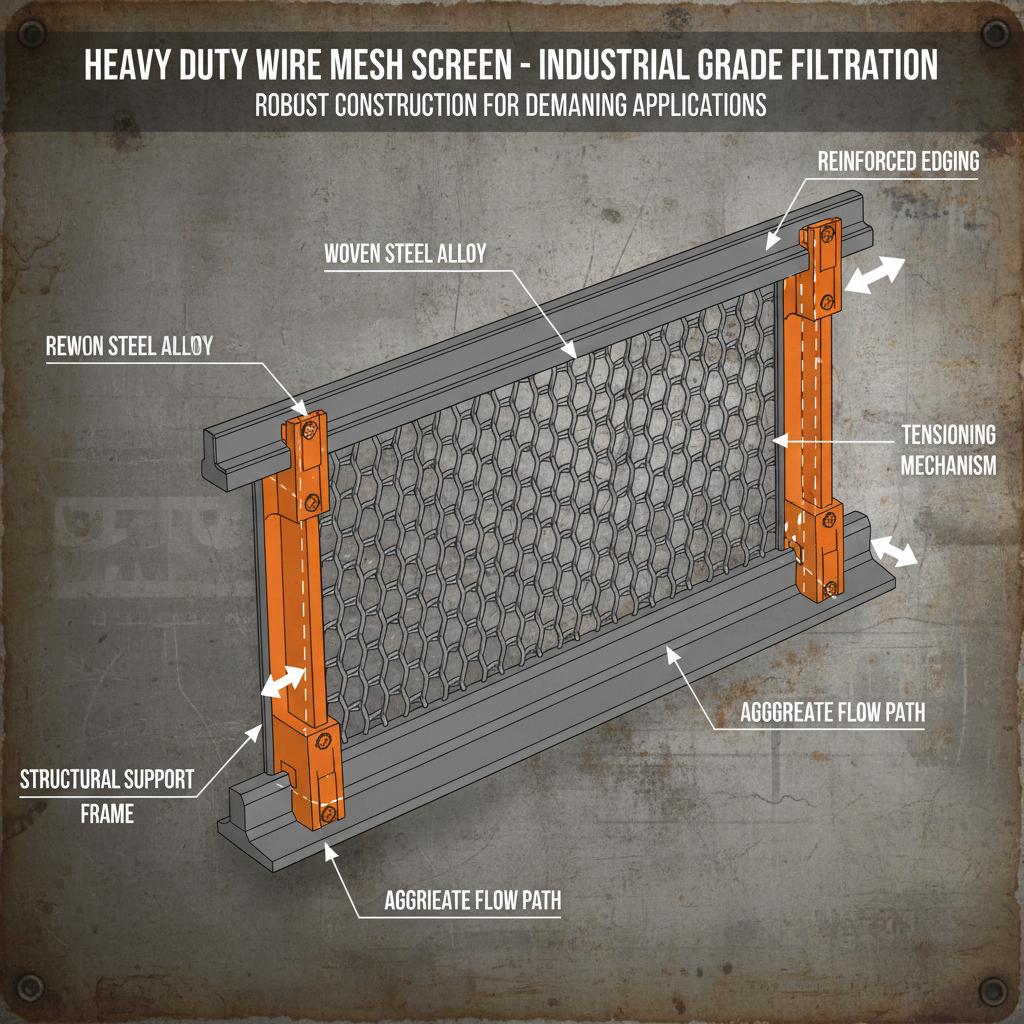
One of the most common challenges encountered with wire mesh grid installation is the risk of "sagging" in large-span applications. This often occurs when the grid is not properly tensioned or when the wire gauge is insufficient for the load. To solve this, experts recommend the integration of support frames or the use of reinforced cross-members that distribute weight more evenly across the grid structure.
Another frequent issue is localized corrosion, often referred to as "pitting," which can occur even in stainless steel grids if they are exposed to high chloride environments. The solution lies in the selection of Molybdenum-enhanced alloys (such as Grade 316L) and the application of passivating treatments. Passivation removes free iron from the surface, reinforcing the protective chromium oxide layer and extending the grid's lifespan in harsh conditions.
Finally, many users struggle with selecting the correct aperture size for filtration. An aperture that is too large allows contaminants through, while one that is too small causes rapid clogging and pressure drops. We suggest a staged approach: utilizing a series of wire mesh grid layers with progressively smaller openings to maximize throughput while ensuring total purity.
Analysis of Wire Mesh Grid Material Selection and Application
|
Material Type
|
Corrosion Resistance
|
Structural Strength
|
Primary Use Case
|
|
Stainless Steel 304
|
High
|
8/10
|
Food Processing
|
|
Stainless Steel 316
|
Extreme
|
9/10
|
Marine Environments
|
|
Galvanized Steel
|
Moderate
|
7/10
|
Agricultural Fencing
|
|
Carbon Steel
|
Low
|
10/10
|
Heavy Industrial Grates
|
|
PVC Coated Mesh
|
High
|
6/10
|
Outdoor Decorative
|
|
Nickel Alloy
|
Extreme
|
9/10
|
Chemical Filtration
|
FAQS
Welded wire mesh grid is created by fusing wires at their intersection points using heat or pressure, resulting in a rigid, stable structure ideal for shelving and security. Woven wire mesh is made by interlacing wires over and under each other, providing more flexibility and typically finer apertures, which makes it superior for filtration and screening applications.
The choice depends on the load-bearing requirements and the environment. Thicker gauges provide higher strength and impact resistance but increase weight and cost. For decorative or light filtration, a thinner gauge is sufficient. For structural supports or security barriers, a heavier gauge is necessary to prevent deformation and unauthorized entry.
Yes, customization is a core feature of professional mesh manufacturing. By adjusting the weaving pattern or the welding spacing, manufacturers can create precise aperture sizes to meet specific filtration, airflow, or security needs. Custom sizes are common in pharmaceutical and food-grade industries where precision is non-negotiable.
While stainless steel offers the best corrosion resistance and hygiene, it may not always be the best choice based on budget or specific mechanical needs. For example, galvanized steel is more cost-effective for large-scale agricultural projects, and carbon steel provides superior raw strength for heavy industrial floor grating where corrosion is managed through paint.
Lifespan can be extended through proper material selection (e.g., Grade 316 for salt water), applying protective coatings like powder coating or PVC, and performing regular maintenance. For stainless steel, periodic passivation treatments can restore the protective oxide layer and prevent pitting corrosion in harsh chemical environments.
Metal wire mesh grids are highly sustainable because they are made from recyclable materials. Steel and alloys can be recycled infinitely without losing their properties. Additionally, choosing high-durability materials reduces the environmental impact associated with frequent manufacturing and transportation of replacement parts.
Conclusion
In summary, the wire mesh grid is a critical yet versatile tool that underpins a vast array of global industries. From its role in ensuring structural safety and high-precision filtration to its emerging applications in smart infrastructure and sustainable architecture, the value of a well-engineered grid lies in the synergy of material science and geometric precision. By prioritizing quality factors such as welding integrity and alloy purity, businesses can secure long-term operational reliability and economic efficiency.
Looking forward, the integration of nano-coatings and automated precision manufacturing will continue to push the boundaries of what is possible with metal mesh. As industries move toward more sustainable and digitally integrated models, the adoption of high-performance, recyclable grid solutions will be paramount. We encourage engineers and project managers to consult with specialists to ensure their material choices align with the rigorous demands of the modern industrial landscape. Visit our website: www.jinzehongmesh.com