15 Oct 2026
Railway fencing plays a vital role in railway safety, infrastructure protection, and access control. It helps prevent unauthorized entry onto railway tracks, protects passengers and railway workers, and separates railway corridors from nearby roads, residential areas, and industrial facilities.
However, not all railway fencing systems serve the same purpose. Different railway projects require different fence structures, materials, heights, and security levels. Understanding the main railway fencing types helps railway contractors, infrastructure developers, and procurement teams select a suitable solution for their projects.
This guide explores common types of railway fencing, their advantages, typical applications, and the key factors to consider when purchasing a railway fence.

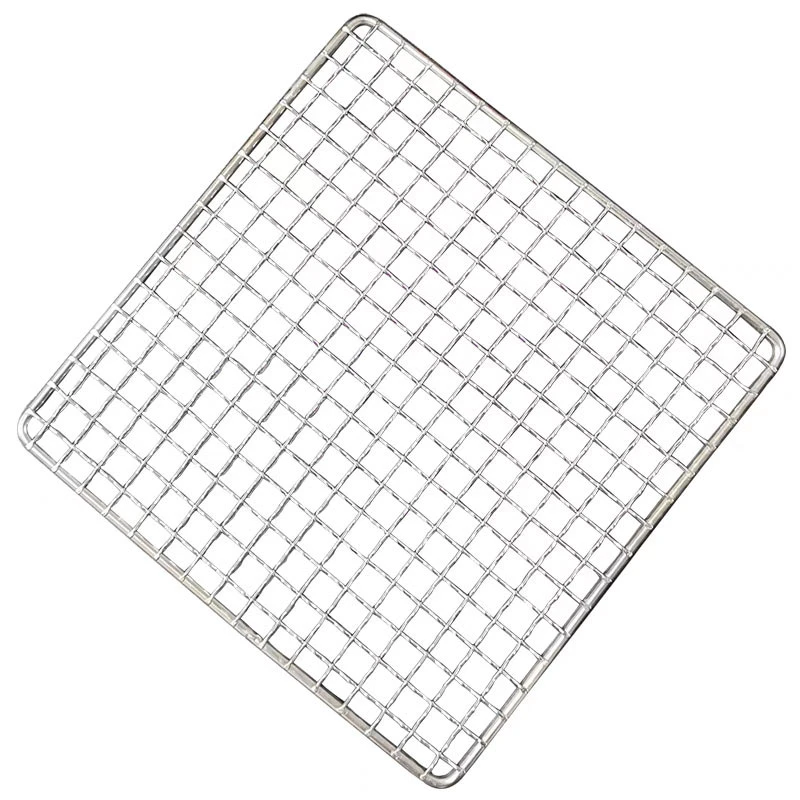
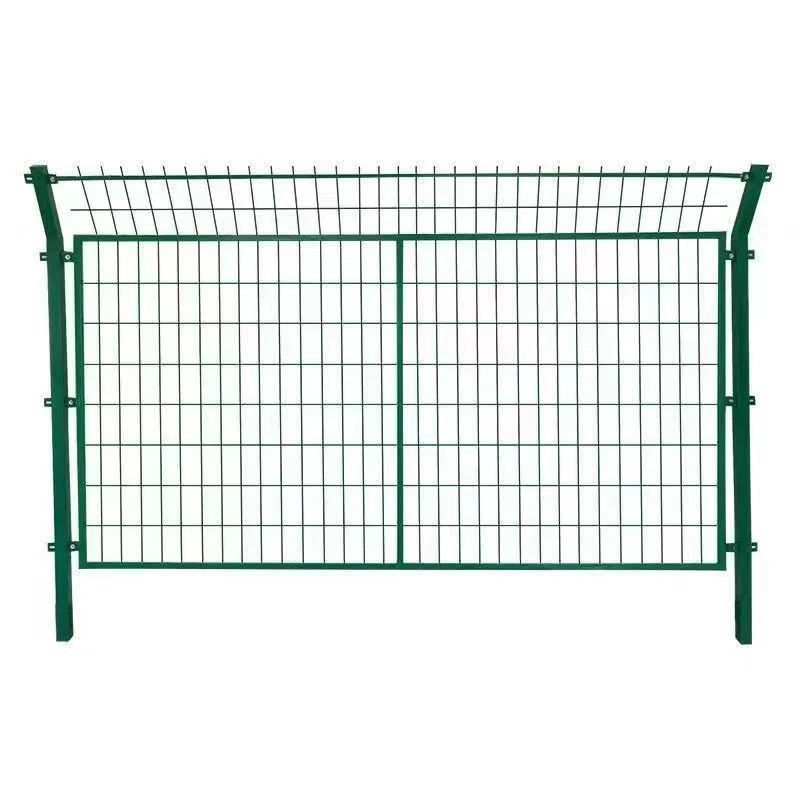
Welded wire mesh fencing is one of the most widely used options for railway boundary protection. It consists of steel wires welded together to form a rigid mesh panel, which is supported by metal posts and secured with suitable fasteners.
The mesh structure provides a clear view of the railway corridor while creating a physical barrier against unauthorized access. Its relatively simple installation and consistent panel dimensions also make it suitable for large infrastructure projects.
Galvanized steel and PVC-coated steel are common material options. Galvanization helps protect the steel against corrosion, while PVC coatings provide an additional protective layer and can offer different color options.
Key advantages:
Rigid construction for reliable boundary protection
Good visibility for railway inspections and surveillance
Modular panels that simplify transportation and installation
Multiple wire diameters, mesh openings, and panel dimensions
Surface treatments suitable for different environmental conditions
Welded wire mesh railway fencing is commonly used along railway lines, station boundaries, maintenance areas, and railway depots. It is particularly suitable for projects that require a balance of security, visibility, durability, and installation efficiency.

Chain link fencing is made from interwoven steel wires that form a flexible diamond-shaped mesh. It is a practical option for railway projects requiring continuous boundary coverage over long distances.
Compared with rigid welded mesh panels, chain link fencing can adapt more easily to uneven ground. Its flexible structure also makes it convenient to transport and install across extensive railway corridors.
Galvanized chain link fencing is commonly selected for outdoor use. PVC-coated versions may be preferred where additional surface protection or specific appearance requirements apply.
Key advantages:
Flexible construction for varied terrain
Efficient installation over long railway boundaries
Relatively low material and installation costs
Easy integration with suitable posts and tensioning systems
Available in different mesh sizes, wire gauges, and heights
Chain link railway fencing is often used for railway right-of-way boundaries, storage yards, maintenance compounds, and lower-risk perimeter areas.
For locations that require greater resistance to climbing or cutting, project designers may consider smaller mesh openings, heavier wire, additional security features, or a more rigid fencing system.

Steel palisade fencing is designed for railway areas where stronger physical security is a priority. It typically consists of vertical steel pales attached to horizontal rails and supported by robust posts.
The pales may have pointed, rounded, or other specified tops, depending on the design and applicable safety requirements. Their closely spaced arrangement creates a substantial physical barrier and makes unauthorized access more difficult.
Palisade fencing is generally more suitable for restricted railway facilities than for every kilometer of an open railway corridor. Its structural strength and security-oriented design can be particularly valuable around critical infrastructure.
Key advantages:
Strong steel construction
Effective deterrence against unauthorized access
Configurations available for different security requirements
Durable finishes for outdoor exposure
Suitable for restricted-access railway facilities
Typical applications include railway signaling installations, electrical substations, control centers, maintenance depots, and other sensitive infrastructure.
When specifying steel palisade fencing, buyers should evaluate steel thickness, post dimensions, fixing methods, corrosion protection, and the required security classification.

Anti-climb railway fencing is designed to make climbing more difficult by reducing accessible footholds and handholds. Common designs include tightly spaced welded mesh panels, small-aperture mesh, and specialized security fence systems.
The exact design depends on the required level of protection, the surrounding environment, and the risk of unauthorized entry.
Small-aperture welded mesh is a popular choice for high-security boundaries because its closely spaced wires can make it difficult to gain a secure grip. Some systems can also incorporate additional security measures where regulations and site conditions permit.
Key advantages:
Reduced opportunities for climbing
Improved control of access to restricted areas
Rigid panels for stable perimeter construction
Compatibility with surveillance and access-control systems
Options for different heights and security requirements
Anti-climb railway security fencing is often considered for urban railway corridors, passenger infrastructure, signaling equipment, electrical installations, and locations with a higher risk of trespassing.
When choosing this type of railway perimeter fence, buyers should assess mesh aperture, wire diameter, panel rigidity, fixing security, and the maintenance requirements of the complete system.

Tubular steel fencing uses vertical and horizontal metal tubes to form a defined boundary. Its open structure provides visibility while creating a clear separation between railway property and surrounding land.
Depending on the design, tubular fencing can be manufactured from round or square steel sections. Galvanized or powder-coated finishes can help protect the surface and provide a consistent appearance.
This type of fencing is frequently considered for railway stations, passenger-access areas, pedestrian boundaries, and facilities where appearance and visibility are important.
Key advantages:
Open construction with good visibility
Defined and organized boundary appearance
Adaptable spacing and panel configurations
Compatibility with different steel finishes
Suitable for selected pedestrian and facility boundaries
Tubular steel fencing is not automatically suitable for every high-security railway application. The spacing between rails, overall height, resistance to impact, and potential climbing points should be assessed before specifying it for a particular site.

Some railway projects require a more substantial boundary system because of site conditions, noise considerations, impact risks, or the need to separate railway infrastructure from adjacent land.
Concrete fencing provides a solid barrier, while steel fencing offers a lighter structure with greater visibility. Hybrid systems may combine concrete posts or lower sections with metal mesh panels above.
Concrete and steel boundary systems can be considered for urban railways, industrial railway facilities, bridge approaches, and selected locations where a conventional mesh fence may not meet project requirements.
Key advantages:
Multiple structural configurations
Potential for stronger physical separation
Options for combining solid and open sections
Adaptability to specific site and engineering requirements
The appropriate design depends on foundation conditions, drainage, wind loads, installation access, and the railway operator's technical specifications. Concrete barriers and fences should not be treated as interchangeable with standard security mesh fencing, as they serve different structural and operational purposes.

Selecting the right railway fencing system requires more than comparing initial prices. Buyers should consider the security objective, environmental conditions, installation requirements, and expected service life.
The following factors provide a practical starting point.
| Selection factor | What to evaluate |
|---|---|
| Security level | Boundary definition, trespass prevention, and resistance to climbing or cutting |
| Fence material | Galvanized steel, PVC-coated steel, or other project-approved materials |
| Corrosion resistance | Rainfall, humidity, coastal exposure, and industrial pollution |
| Fence dimensions | Height, panel length, mesh aperture, and wire diameter |
| Installation conditions | Ground slope, soil conditions, foundations, and access for machinery |
| Maintenance | Coating durability, replacement panels, fasteners, and inspection requirements |
| Project compliance | Railway operator specifications and applicable local regulations |
For long railway corridors, welded wire mesh and chain link fencing may offer practical coverage and installation efficiency. Restricted facilities may require anti-climb mesh or steel palisade fencing, while passenger-facing areas may benefit from designs that maintain visibility and meet pedestrian safety requirements.
The final specification should always reflect the actual risk assessment and the railway authority's requirements.
For railway contractors, distributors, and infrastructure procurement teams, selecting a reliable railway fencing manufacturer is an important part of project planning.
A qualified supplier should be able to provide clear technical specifications, consistent manufacturing quality, and products suited to the intended installation environment.
Before placing an order, consider the following points:
Material quality: Confirm steel grades, wire diameters, and material tolerances.
Surface treatment: Check galvanizing specifications, coating requirements, and corrosion protection.
Customization capability: Verify whether the manufacturer can produce project-specific heights, mesh openings, panel sizes, and post configurations.
Quality control: Request relevant inspection records and applicable product test reports.
Packaging and delivery: Confirm packing methods, shipment quantities, production lead times, and delivery arrangements.
Technical support: Ensure the supplier can provide installation guidance, drawings, and product documentation where required.
For large railway fencing projects, requesting a detailed quotation based on drawings, quantities, material specifications, and site requirements helps buyers compare suppliers more accurately.
A lower initial purchase price does not always mean a lower total project cost. Fence durability, installation labor, replacement frequency, and long-term maintenance should also be included in the evaluation.
Choosing the right railway fencing type is essential for railway safety, perimeter protection, and long-term infrastructure performance. Welded wire mesh, chain link, steel palisade, anti-climb mesh, tubular steel, and concrete-based boundary systems each offer different advantages.
The most suitable solution depends on the security level, installation environment, material requirements, and applicable railway standards. By comparing these factors before procurement, railway contractors and infrastructure operators can select a fencing system that meets project needs while managing installation and maintenance costs.
If you are planning a railway fencing project, work with an experienced manufacturer to confirm the appropriate fence structure, dimensions, surface treatment, and installation accessories for your application.
Hit enter to search or ESC to close


