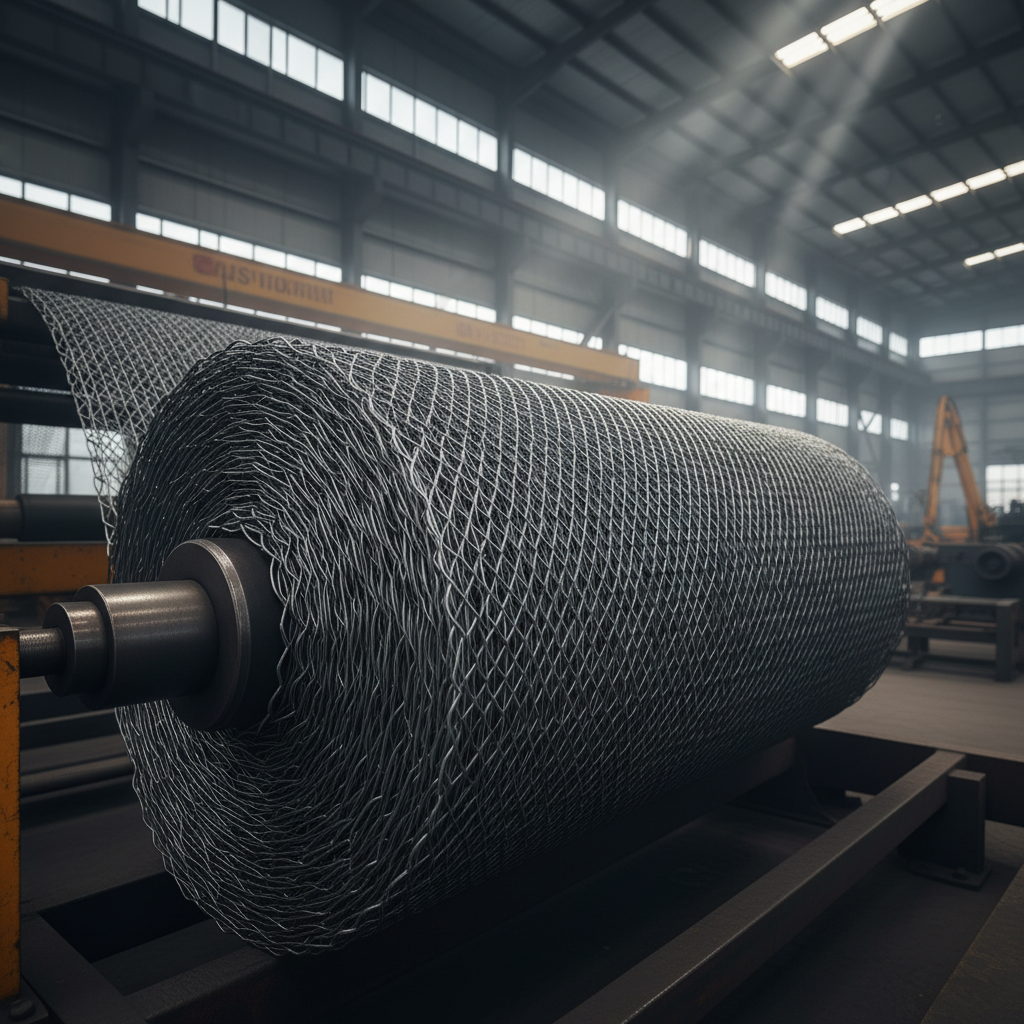
Dealing with rodent infestations requires more than just temporary traps; it demands a structural approach to exclusion. Implementing wire mesh for mice control provides a permanent physical barrier that prevents rodents from entering buildings, machinery, and food storage areas. By sealing potential entry points with high-tensile materials, facility managers can significantly reduce the risks of property damage and contamination.
On a global scale, the economic impact of rodent damage is staggering, affecting everything from agricultural yields to the integrity of electrical wiring in industrial plants. The strategic use of specialized metal mesh prevents the "squeeze-through" capability of mice, which can fit through gaps as small as a quarter-inch. This proactive defense mechanism is far more sustainable and hygienic than relying solely on chemical rodenticides.
Understanding the technical specifications of various mesh types—such as aperture size, material grade, and corrosion resistance—is essential for effective implementation. Whether it is stainless steel welded wire mesh or galvanized options, the right choice ensures that the barrier remains intact under environmental stress, providing long-term peace of mind and operational safety for warehouses and residential complexes alike.
Global Relevance of Wire Mesh for Mice Control
The global challenge of rodent control transcends borders, impacting food security and infrastructure in every continent. According to industry health and safety standards, rodents are responsible for a significant percentage of electrical fires in industrial zones due to their instinct to gnaw on insulation. Utilizing high-grade wire mesh for mice control in ventilation ducts and cable entries is no longer optional but a critical safety requirement for ISO-compliant facilities.
In urban environments, the density of housing and the complexity of sewage systems create ideal corridors for mice. By integrating stainless steel woven wire mesh into building envelopes and drainage exits, cities can reduce the reliance on toxic baits that often leach into the groundwater. This shift toward mechanical exclusion marks a transition toward "Green Pest Management," aligning with global sustainability goals to protect biodiversity while maintaining sanitary living conditions.
Defining Technical Standards for Rodent Barriers
At its core, wire mesh for mice control is a precision-engineered metal grid designed specifically to withstand the gnawing pressure of rodents while maintaining a gap small enough to prevent entry. Unlike standard garden fencing, these barriers utilize specific wire diameters and aperture sizes—typically 6mm or smaller—to ensure that even the smallest house mouse cannot penetrate the perimeter.
The connection to modern industry lies in the requirement for "zero-fail" environments. In pharmaceutical laboratories or food processing plants, a single rodent breach can lead to the loss of millions of dollars in contaminated batches. Therefore, the industry employs welded wire mesh produced from 304 or 316 stainless steel, providing a non-toxic, rust-proof solution that meets stringent FDA and HACCP regulations.
Beyond industrial use, these solutions address humanitarian needs by protecting grain silos and emergency food reserves in disaster-prone regions. By securing these resources with durable metal mesh, NGOs can ensure that vital nutrition reaches vulnerable populations without being spoiled by pests, effectively bridging the gap between raw material storage and safe consumption.
Core Factors for Effective Mice Exclusion
Durability is the foremost consideration when selecting wire mesh for mice control. Because mice possess teeth capable of chewing through plastic, wood, and even soft aluminum, the barrier must be composed of hardened steel or high-grade stainless steel. This ensures that the mesh does not degrade over time, maintaining the integrity of the seal against constant rodent pressure.
Aperture precision is equally critical. If the mesh openings are too large, the barrier is useless; if they are too small, airflow and ventilation may be compromised. The ideal balance is achieved through precise weaving or welding techniques, creating a uniform grid that blocks pests while allowing necessary air circulation in HVAC systems or machinery cooling vents.
Corrosion resistance ensures long-term cost efficiency. Since many rodent entry points are located in damp areas—such as basements, sump pumps, or external wall gaps—the mesh must resist oxidation. Utilizing galvanized or stainless steel variants prevents the mesh from rusting through, which would otherwise create new holes for mice to exploit, necessitating expensive repairs.
Comparative Performance of Mesh Materials
Selecting the right material depends on the specific environmental stressors of the installation site. While galvanized steel offers an excellent balance of cost and strength for general outdoor use, stainless steel is the gold standard for high-moisture or sterile environments. The mechanical strength of the wire prevents deformation, ensuring that the "squeeze-through" gap remains constant throughout the product's lifecycle.
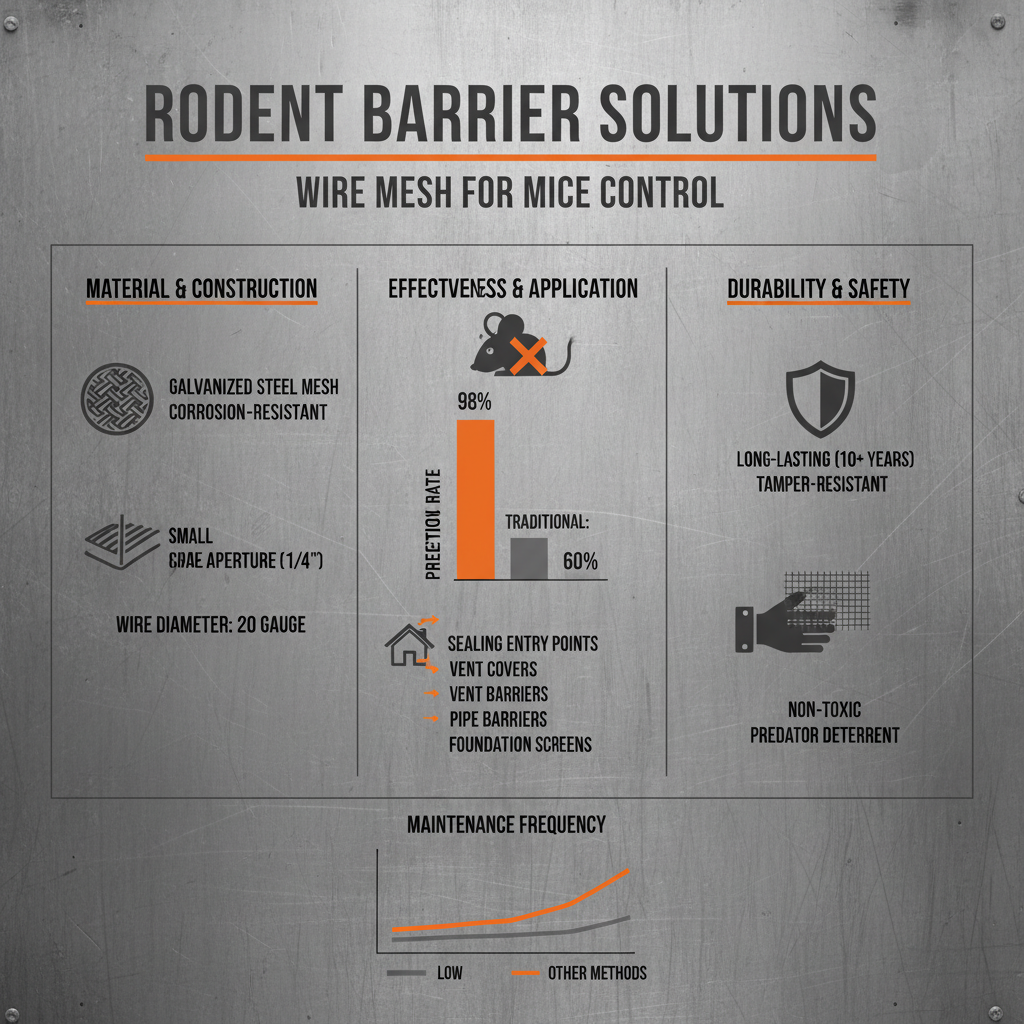
When analyzing different methods of wire mesh for mice control, we look at a combination of penetration resistance, longevity, and installation ease. The following data reflects the performance ratings of common materials used in rodent exclusion.
Performance Analysis of Rodent Barrier Materials
Global Applications and Industrial Use Cases
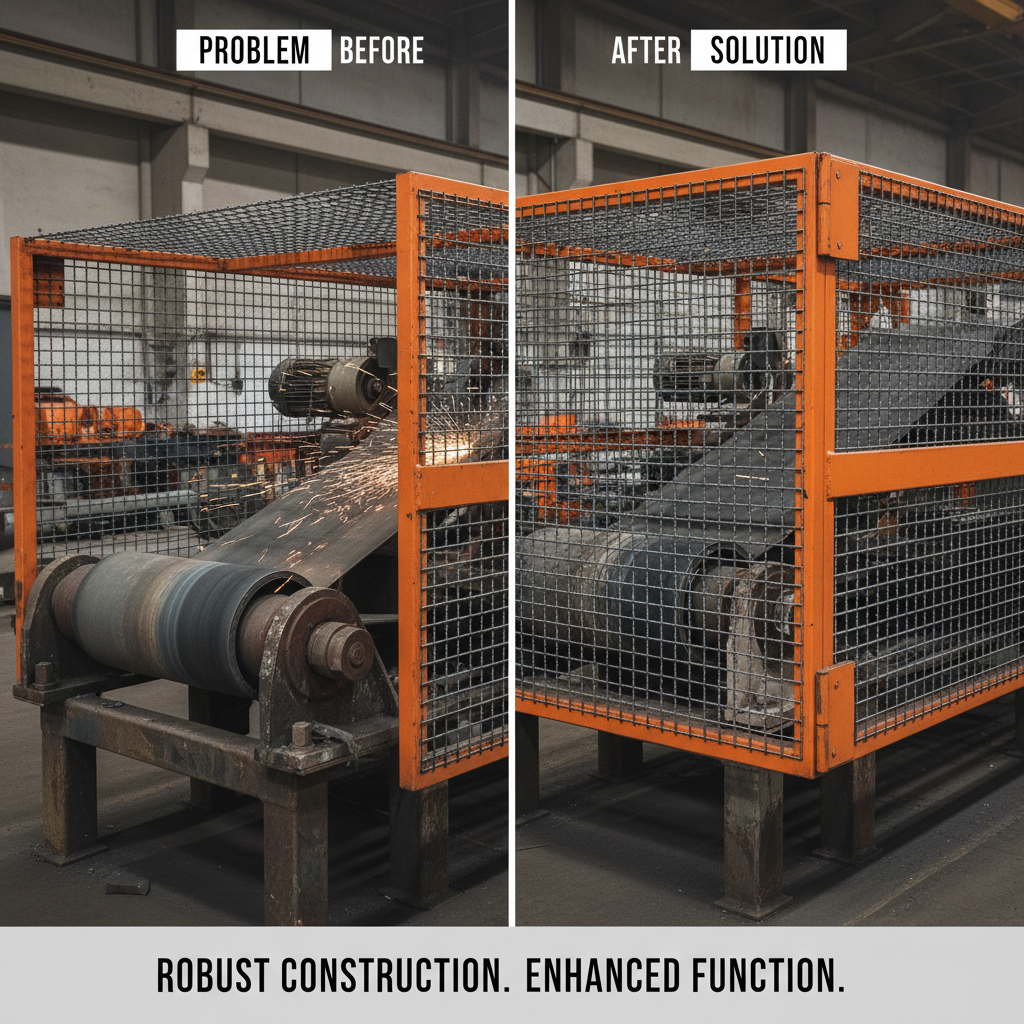
In the food and beverage industry, wire mesh for mice control is integrated into the very architecture of warehouses. From blocking floor drains to securing the gaps around conveyor belts, these meshes prevent pests from accessing raw ingredients. In Europe, many high-end food processing plants utilize custom-cut stainless steel welded wire mesh to ensure a seamless, hygienic barrier that is easy to sanitize.
Another critical application is found in the data center and telecommunications sector. In remote industrial zones, rodents often chew through underground fiber optic cables, causing massive network outages. By installing mesh-reinforced conduits and sealing cable entry points with specialized wire mesh, companies can protect their digital infrastructure from biological interference, ensuring uninterrupted connectivity for global operations.
Long-Term Value and Sustainability Benefits
The long-term value of investing in high-quality wire mesh for mice control lies in the reduction of recurring costs. Traditional pest control relies on a cycle of baits and poisons, which require constant replenishment and professional application. In contrast, a physical barrier is a "set and forget" solution that provides 24/7 protection without the need for chemical intervention.
From a sustainability perspective, metal mesh is highly recyclable and has a significantly lower environmental footprint than chemical pesticides. By preventing rodent entry, facility owners avoid the need for toxic chemicals that can contaminate soil and water. This approach promotes a healthier ecosystem and reduces the risk of secondary poisoning in local wildlife, such as owls and hawks that prey on rodents.
Beyond the logical financial gains, there is an emotional value associated with safety and trust. For homeowners and business owners, knowing that their property is structurally fortified against pests provides peace of mind. This reliability fosters trust in the facility's hygiene standards, which is particularly vital for businesses in the hospitality and healthcare sectors where cleanliness is paramount.
Future Trends in Pest-Proof Mesh Engineering
The future of wire mesh for mice control is moving toward "smart" integration and advanced metallurgy. We are seeing the emergence of alloy coatings that are not only corrosion-resistant but also incorporate scent-repellents or tactile deterrents that discourage rodents from even attempting to gnaw on the mesh. These innovations combine chemical deterrents with physical strength.
Digital transformation is also playing a role in how these barriers are deployed. Automated facility auditing using AI-powered cameras can now identify structural gaps in real-time, allowing maintenance teams to install targeted mesh reinforcements before an infestation begins. This predictive maintenance approach transforms pest control from a reactive struggle into a precise engineering discipline.
Furthermore, the push for green energy is leading to the development of more eco-friendly plating processes. New electro-galvanizing techniques reduce the use of harmful acids during production, making the manufacturing of rodent barriers more sustainable. As automation in wire mesh processing increases, custom-fit, 3D-modeled mesh inserts will become the norm, ensuring a perfect seal for any complex architectural gap.
Analysis of Mesh Specifications for Rodent Exclusion
| Mesh Material |
Aperture Size |
Gnaw Resistance |
Recommended Area |
| SS 304 Welded |
3mm - 6mm |
Extreme |
Food Processing |
| SS 316 Woven |
2mm - 5mm |
Extreme |
Marine/Chemical |
| Galvanized Steel |
6mm |
High |
External Walls |
| Hardened Steel |
5mm |
Maximum |
Industrial Cables |
| PVC Coated Steel |
6mm |
Medium-High |
Residential Vents |
| Aluminum Alloy |
6mm |
Low |
Light Decoration |
FAQS
For effective wire mesh for mice control, an aperture size of 6mm (approximately 1/4 inch) or smaller is recommended. Mice are capable of squeezing through any gap where their head can fit, and since their skulls are flexible, any opening larger than 6-7mm poses a significant risk of breach. Stainless steel welded mesh is preferred for its rigidity and precise gap maintenance.
No, high-grade stainless steel (such as 304 or 316) is far too hard for rodent teeth to penetrate. While they may attempt to gnaw on the surface, they cannot break through the wire. This makes stainless steel the superior choice over aluminum or plastic-coated meshes, which can be easily compromised over time by determined rodents.
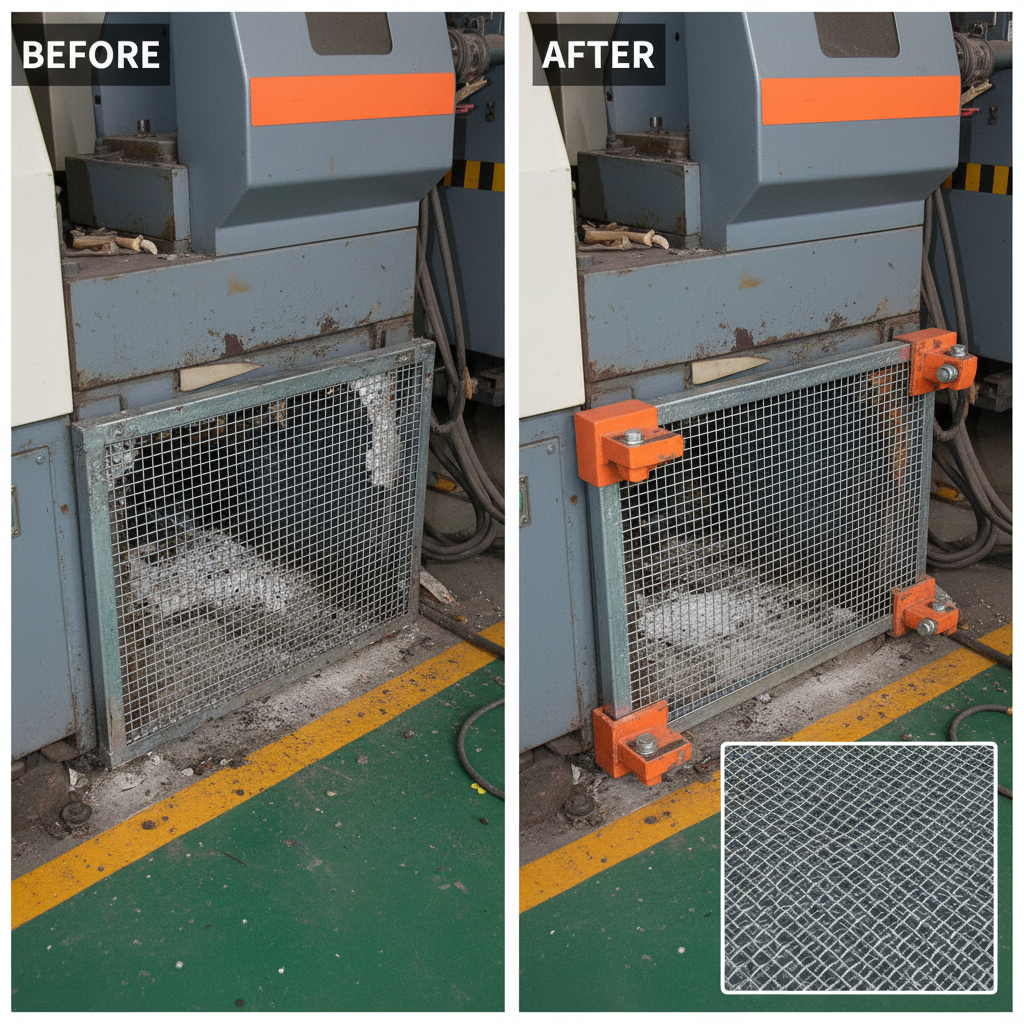
Priority should be given to all "penetration points" of a building. This includes ventilation ducts, dryer vents, gaps around plumbing pipes, cable entry points, and floor drains. For industrial sites, securing the base of machinery and electrical panels with mesh prevents rodents from nesting in warm areas and damaging critical wiring.
Galvanized mesh is very effective in terms of strength and is often more cost-effective for large-scale external applications. However, it is more prone to rust than stainless steel, especially in coastal or highly humid environments. If the zinc coating wears off and the mesh rusts through, it will no longer provide an effective barrier.
Simply placing the mesh is not enough; it must be mechanically fastened. Use stainless steel screws, heavy-duty staples, or industrial-grade adhesives combined with framing. Ensure there are no gaps between the mesh and the surrounding structure, as mice can find ways to pry the mesh away if it is not flush against the surface.
While any barrier slightly reduces airflow, a high-quality woven or welded wire mesh with a 6mm opening has a very high "open area" percentage, meaning airflow is minimally impacted. To ensure optimal ventilation, choose a wire diameter that is thin enough to allow air through but strong enough to resist gnawing.
Conclusion
Implementing a structural defense using wire mesh for mice control represents the most sustainable and reliable method for rodent exclusion. By focusing on material durability, precise aperture sizing, and strategic placement, facility managers and homeowners can eliminate the need for hazardous chemicals while protecting their infrastructure from costly biological damage. The transition from reactive trapping to proactive mechanical exclusion is a hallmark of modern, professional pest management.
Looking forward, the integration of advanced alloys and smart monitoring will only enhance the efficacy of rodent barriers. We suggest auditing all entry points in your facility and upgrading to stainless steel welded wire mesh to ensure long-term security. For those seeking professional-grade exclusion solutions, visit our website: www.jinzehongmesh.com to explore our full range of industrial mesh products.