Hot-Dip Galvanization: The Key to Longevity
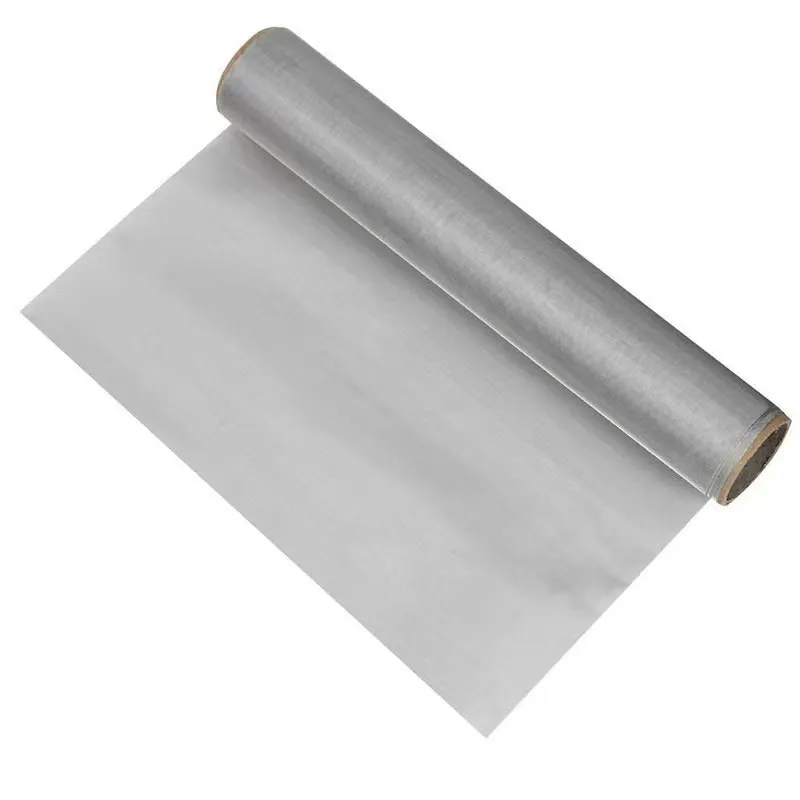
Hot-dip galvanization is the process of coating steel wire with a protective layer of zinc by immersing it in a bath of molten zinc at approximately 450°C. This process creates a metallurgical bond between the zinc and the steel, resulting in a coating that is:
Feature | Explanation |
Highly Durable | The zinc layer becomes part of the steel surface — it won't peel or flake off |
Self-Healing | If scratched, the zinc coating corrodes preferentially to protect the steel beneath (sacrificial protection) |
Long-Lasting | Galvanized coatings provide 30+ years of protection in most environments |
Weather-Resistant | Protects against rain, snow, humidity, and temperature extremes |
Galvanized coating thickness options:
Coating options | Explanation | Applicable Scenarios |
Standard Galvanized | Industry-standard coating weight | General residential and commercial use |
Heavy Galvanized | Extra zinc coating for severe environments | Coastal areas, industrial sites, high-corrosion environments |
Mill-Galvanized | Base coating from steel mill | Budget-conscious projects (shorter lifespan) |
Specifications & Options
Chain Link Fabric Options
Parameter | Scope/Options |
Height | 3ft, 4ft, 5ft, 6ft, 8ft, 10ft, 12ft (custom heights available) |
Wire Gauge | 11 gauge (light), 10 gauge (standard), 9 gauge (heavy duty) |
Mesh Size | 1-3/4", 2", 2-1/4", 2-3/8" (standard) |
Coating | Hot-dip galvanized (standard or heavy) |
Fabric Length | 50ft, 100ft, 150ft rolls (custom lengths available) |
Gauge Comparison
Wire gauge | Wire diameter | Strength | Applicable Scenarios |
9 Gauge | 0.148" (3.76mm) | Maximum | High-security, industrial, heavy-duty |
10 Gauge | 0.135" (3.43mm) | High | Commercial, standard industrial |
11 Gauge | 0.120" (3.05mm) | Moderate | Residential, light commercial |
Height Selection Guide
Height | Applicable Scenarios |
3-4 ft | Decorative garden fencing, pool enclosures (with self-latching gates) |
5-6 ft | Standard residential yards, dog runs, playgrounds |
8 ft | Commercial perimeters, school yards, sports fields |
10-12 ft | Industrial sites, high-security facilities, noise barriers (with slats) |
Note: If you don't see your required specification above, contact us. We manufacture to your exact requirements.
Stock Specifications — Ready to Ship
Wire diameter 1.2mm - 2.5mm (regular stock available)
Wire diameter (mm) | Hole size(cm) | Roll size (m×m) | Weight (kg±0.5) |
1.8 | 5×5 | 1.2×20 | 24 |
|
| 1.5×20 | 19.5 |
|
| 1.8×20 | 24 |
|
| 2.0×20 | 26.5 |
1.8 | 6×6 | 1.2×20 | 14 |
|
| 1.5×20 | 17 |
|
| 1.8×20 | 21 |
|
| 2.0×20 | 22.5 |
1.8 | 7×7 | 1.2×20 | 12 |
|
| 1.5×20 | 15 |
|
| 1.8×20 | 18 |
|
| 2.0×20 | 19.5 |
1.8 | 8×8 | 1.2×20 | 10.5 |
|
| 1.5×20 | 13 |
|
| 1.8×20 | 16 |
|
| 2.0×20 | 17.5 |
2.1 | 5×5 | 1.2×20 | 24 |
|
| 1.5×20 | 15.1 |
|
| 1.8×20 | 18.1 |
|
| 2.0×20 | 20.1 |
2.1 | 6×6 | 1.2×20 | 20.5 |
|
| 1.5×20 | 25.5 |
|
| 1.8×20 | 30.8 |
|
| 2.0×20 | 34 |
2.1 | 7×7 | 1.2×20 | 17.8 |
|
| 1.5×20 | 22.3 |
|
| 1.8×20 | 26.8 |
|
| 2.0×20 | 29.8 |
2.1 | 8×8 | 1.2×20 | 15.8 |
|
| 1.5×20 | 20 |
|
| 1.8×20 | 23.7 |
|
| 2.0×20 | 26.4 |
2.3 | 5×5 | 1.2×10 | 14.5 |
|
| 1.5×10 | 18.1 |
|
| 1.8×10 | 21.7 |
|
| 2.0×10 | 24.1 |
2.3 | 6×6 | 1.2×10 | 12.3 |
|
| 1.5×10 | 15.4 |
|
| 1.8×10 | 18.5 |
|
| 2.0×10 | 20.5 |
2.3 | 7×7 | 1.2×10 | 10.7 |
|
| 1.5×10 | 13.4 |
|
| 1.8×10 | 16 |
|
| 2.0×10 | 17.9 |
2.3 | 8×8 | 1.2×10 | 9.5 |
|
| 1.5×10 | 11.8 |
|
| 1.8×10 | 14.2 |
|
| 2.0×10 | 15.8 |
2.5 | 5×5 | 1.2×10 | 17 |
|
| 1.5×10 | 21.4 |
|
| 1.8×10 | 25.6 |
|
| 2.0×10 | 28.5 |
2.5 | 6×6 | 1.2×10 | 14.5 |
|
| 1.5×10 | 18.2 |
|
| 1.8×10 | 21.8 |
|
| 2.0×10 | 24 |
2.5 | 7×7 | 1.2×10 | 12.7 |
|
| 1.5×10 | 15.8 |
|
| 1.8×10 | 19 |
|
| 2.0×10 | 21.1 |
2.5 | 8×8 | 1.2×10 | 11.3 |
|
| 1.5×10 | 14 |
|
| 1.8×10 | 16.8 |
|
| 2.0×10 | 18.5 |
Wire diameter 2.7mm - 3.7mm (heavy-duty stock available)
Wire diameter (mm) | Hole size (cm) | Roll size (m×m) | Weight (kg±0.5) |
2.7 | 5×5 | 1.2×10 | 20.5 |
|
| 1.5×10 | 23 |
|
| 1.8×10 | 28.5 |
|
| 2.0×10 | 34 |
2.7 | 6×6 | 1.2×10 | 19.5 |
|
| 1.5×10 | 24.4 |
|
| 1.8×10 | 29.2 |
|
| 2.0×10 | 32.6 |
2.7 | 7×7 | 1.2×10 | 17 |
|
| 1.5×10 | 21.3 |
|
| 1.8×10 | 25.5 |
|
| 2.0×10 | 28.4 |
2.7 | 8×8 | 1.2×10 | 15 |
|
| 1.5×10 | 18.8 |
|
| 1.8×10 | 22.6 |
|
| 2.0×10 | 25.1 |
2.9 | 5×5 | 1.2×10 | 28 |
|
| 1.5×10 | 34.7 |
|
| 1.8×10 | 41.5 |
|
| 2.0×10 | 46 |
2.9 | 6×6 | 1.2×10 | 23.5 |
|
| 1.5×10 | 29.5 |
|
| 1.8×10 | 35.5 |
|
| 2.0×10 | 39.5 |
2.9 | 7×7 | 1.2×10 | 20.5 |
|
| 1.5×10 | 25.5 |
|
| 1.8×10 | 30.8 |
|
| 2.0×10 | 34 |
2.9 | 8×8 | 1.2×10 | 18.4 |
|
| 1.5×10 | 23 |
|
| 1.8×10 | 27.5 |
|
| 2.0×10 | 30.5 |
3.2 | 5×5 | 1.2×10 | 28.2 |
|
| 1.5×10 | 35.3 |
|
| 1.8×10 | 42.5 |
|
| 2.0×10 | 47 |
3.2 | 6×6 | 1.2×10 | 21.8 |
|
| 1.5×10 | 27.2 |
|
| 1.8×10 | 32.6 |
|
| 2.0×10 | 36.2 |
3.5 | 8×8 | 1.2×10 | 17.6 |
|
| 1.5×10 | 22.3 |
|
| 1.8×10 | 26.5 |
|
| 2.0×10 | 29.5 |
3.5 | 6×6 | 1.2×10 | 31.5 |
|
| 1.5×10 | 39.5 |
|
| 1.8×10 | 47.2 |
|
| 2.0×10 | 52.5 |
3.7 | 8×8 | 1.2×10 | 24.3 |
|
| 1.5×10 | 30.5 |
|
| 1.8×10 | 36.5 |
|
| 2.0×10 | 40.5 |
Our hot-dip galvanized chain link fence is available in the following standard stock specifications. All panels are hot-dip galvanized for maximum corrosion resistance and are available for immediate shipment.
Wire Diameter Range: 1.2mm to 3.7mm
Mesh Sizes: 5×5cm, 6×6cm, 7×7cm, 8×8cm
Panel Sizes: 1.2m × 10m, 1.5m × 10m, 1.8m × 10m, 2.0m × 10m, plus 20m lengths for select specifications
Coating: Hot-dip galvanized (zinc coating)
Stock availability: All specifications listed above are held in stock. Lead time for stock items: 1-3 days for packing and dispatch.
Custom specifications (other wire diameters, mesh sizes, panel dimensions, or colors) available upon request.


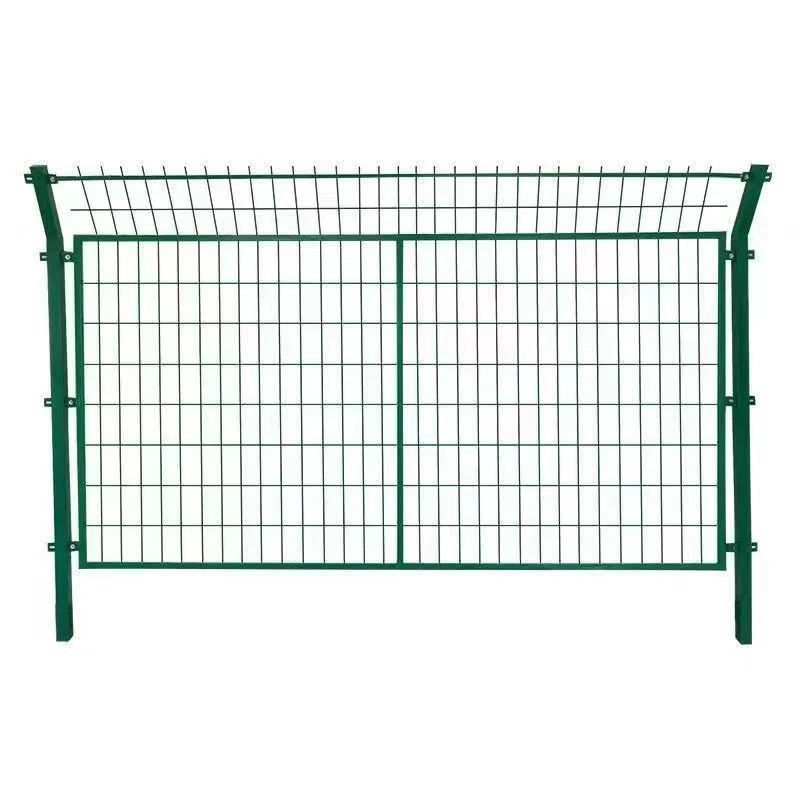
A complete chain-link fence requires more than just fabric. We supply everything you need for a professional installation:
Accessory Types | Explanation | Usage |
Line Posts | Standard posts at regular intervals | Support the fence fabric |
Terminal Posts | Heavier posts at corners, ends, and gates | Anchor the fence fabric with tension |
Post Caps | Caps for tops of posts | Prevent water ingress, provide clean finish |
Top Rails | Horizontal rails at top of posts | Provide structural support for fabric |
Tension Bars | Metal bars that thread through fabric ends | Attach fabric to terminal posts |
Tension Bands | Bands that wrap around posts | Secure tension bars to posts |
Tie Wires / Clips | Small clips at line posts | Attach fabric to line posts |
Gates & Hardware | Gate frames, hinges, latches, drop rods | Provide access through the fence |
Applications of Galvanized Chain Link Fence
Industry/Scenario | Specific applications | Recommended specifications |
Residential | Backyard fencing, garden enclosures, pet runs, pool enclosures | 4-6ft, 11 gauge, 2" mesh |
Commercial | Retail perimeters, parking lots, storage yards, school grounds | 6-8ft, 10 gauge, 2" mesh |
Industrial | Factory perimeters, construction sites, storage facilities, warehouses | 8-12ft, 9 gauge, 2" mesh |
Recreational | Sports fields, tennis courts, baseball backstops, playgrounds | 8-10ft, 10 gauge, 2" mesh |
Agricultural | Livestock enclosures, crop protection, equestrian arenas | 4-6ft, 11 gauge, 2" mesh |
Government/Military | Perimeter security, detention facilities, restricted areas | 10-12ft, 9 gauge, 1-3/4" mesh + barbed wire |
How to Order Galvanized Chain Link Fence Ordering from Jinzehong is simple:
Frequently Asked Questions
What gauge should I choose for my project?
What height do I need?
What is the difference between line posts and terminal posts?
Do you provide gate options?
Can I install this fence myself?
What is your minimum order quantity (MOQ)?
If you're shopping around for a galvanized chain link fence, you've probably noticed that prices vary widely—and that's because there's no single "standard" price per roll. Your final cost comes down to a handful of key specifications: wire diameter (gauge), fence height, mesh opening, zinc coating weight, roll length, order quantity, accessory package, and shipping destination.
Two factors tend to move the needle most: wire thickness and fence height. A heavier wire uses more steel per square meter, and a taller fence naturally requires more material overall. For example, a 5‑foot fence works well for residential boundaries, gardens, pet enclosures, and basic property separation, while a 6‑foot fence is more common where buyers need extra perimeter control or a more substantial physical barrier. Market pricing confirms that these aren't minor tweaks—they're major cost drivers.
For international buyers, the biggest trap is comparing mesh prices without checking what's included. A low price per roll can look attractive until you realize posts, top rails, tension wire, gates, fittings, packing, and ocean freight are all extra.
That's why Jinzehong quotes on a complete‑system basis. Tell us your required height, wire diameter, mesh size, roll length, quantity, and destination, and we'll give you a transparent, all‑in cost estimate—not just a per‑roll number that hides the real project expense.
Choosing between a 5‑foot and a 6‑foot galvanized chain link fence isn't just about preference—it's about balancing enclosure needs, project type, local regulations, and budget.
A 5‑foot fence sits in the sweet spot between low residential barriers and taller security fencing. It's a practical choice for gardens, residential lots, equipment yards, agricultural pens, dog runs, and commercial sites where you want visibility without an imposing wall. Because it uses less steel than a 6‑foot version, it can noticeably reduce material costs on longer runs.
A 6‑ft fence, on the other hand, adds that extra height that makes a real difference for warehouses, factories, sports complexes, school perimeters, storage yards, and any area where a stronger visual and physical boundary matters. Both heights are standard stock sizes across the industry—so you're not paying custom premiums.
But here's a pro tip: don't choose height in isolation. If you need greater structural strength, upgrading wire gauge can be just as important as going taller. A 5‑ft fence with heavy‑gauge wire often outperforms a 6‑ft fence with light wire in terms of rigidity and longevity.
Jinzehong supplies galvanized chain link fencing in multiple heights and gauges, so you can match height, wire diameter, mesh opening, roll length, posts, rails, and accessories to your actual application—not to a one‑size‑fits‑all catalog.
Both standard galvanized and black galvanized chain link fences do the same basic job—but the choice usually comes down to appearance, environment, maintenance expectations, and project positioning.
Standard galvanized fencing has that familiar silver‑gray, zinc‑coated finish. It's the workhorse choice for industrial sites, warehouses, agricultural fields, infrastructure projects, and construction zones—anywhere that corrosion resistance, practicality, and cost efficiency come first.
Black chain link fencing takes the same protected steel and adds a dark topcoat (often black PVC or a similar finish). That darker mesh blends much more naturally into landscaping, so it's especially popular around residential neighborhoods, parks, schools, sports facilities, and commercial developments where aesthetics matter. You get the same rust protection underneath, plus a more subdued visual profile.
The extra coating step does affect cost—but the price gap varies widely depending on gauge, coating quality, accessories, quantity, and installation. Some retail comparisons show a clear spread, but for project‑scale orders, the difference often narrows.
So which one should you choose? For utility‑focused jobs where no one looks twice at the fence, standard galvanized is the economical workhorse. For projects where curb appeal and landscape integration count, black fencing adds real visual value for a relatively modest upgrade cost.
Jinzehong offers both finishes in multiple specifications—and we can help you compare the actual landed cost for your target market.
Picking the right supplier for a bulk galvanized chain link fence order is about far more than the lowest price per roll. For distributors, contractors, wholesalers, and project buyers, consistency and completeness often matter more than a few cents off the mesh.
Start with the specs. A good quotation should clearly state: wire diameter (gauge), mesh opening, fence height, roll length, galvanizing method, and zinc coating weight. Two quotes for "6 ft galvanized chain link fence" can hide huge differences in steel content if the wire gauge and mesh size aren't the same.
Next, check if they supply the full system. A chain link installation isn't just fabric—it needs line posts, terminal posts, top rails, tension bars, tension bands, tie wires, caps, gates, hinges, and more. Jinzehong's product range covers all these components, so you can consolidate mesh and accessories in one PO—saving time, freight, and coordination headaches.
Don't overlook customization. If you're serving multiple end‑users, you may need a mix of heights, gauges, mesh openings, roll dimensions, or finishes in a single order. A rigid supplier will force you to over‑order; a flexible one will work with your mix.
Before you place that large order, always request:
Specification sheet
Packing details
Full accessory list
Production lead time
Shipping quote with container loading plan
That five‑item checklist gives you a real basis for comparison—not just a unit price that tells you very little about your final landed cost.
Jinzehong provides all of the above upfront, so you're not chasing down missing information after you've already committed.
Wire gauge is one of the most overlooked—and most important—specs when ordering chain link fencing. It directly affects steel usage, fence strength, weight, and—yes—price.
Here's the key rule: in the gauge system used for chain link, a smaller gauge number means a thicker wire. That means you can't compare two fences just by height and roll length. A heavier‑gauge fence contains significantly more steel than a lighter one—even if they look identical on paper.
So what gauge should you choose?
For general residential boundaries and light enclosures, economy and handling ease often take priority. Lighter gauges (higher numbers) are common here.
For commercial properties, warehouses, sports facilities, equipment yards, and industrial perimeters, heavier wire (lower gauge numbers) is usually required—especially if the fence will face wind loads, impact, or security demands.
Also, don't forget mesh opening. A smaller opening means more wires per square meter, which increases both weight and cost—so it's not just about wire thickness alone.
Jinzehong currently offers galvanized chain link fence options across a wide wire range—approximately 1.2 mm to 3.7 mm—with several mesh sizes to match. For a more accurate recommendation, just tell us your application, height, mesh size, total length, and expected security level, and we'll suggest the most cost‑effective gauge for your needs.
Before you ask for a quote, don't just measure the total length of mesh. A complete chain link fence project includes fabric, posts, rails or tension wire, fittings, gates, and installation‑related components.
Here's a simple step‑by‑step method:
1. Measure your perimeter – Subtract the widths of any pedestrian and vehicle gates. The remaining distance gives you the approximate mesh length needed.
2. Check roll lengths – Confirm what roll sizes are available, and add 3–5% extra for cutting, overlaps, and layout adjustments (this small buffer saves you from last‑minute shortages).
3. Count your posts – Terminal posts go at ends, corners, and gate openings. Line posts go at regular intervals (typically every 8–10 ft) along straight runs.
4. Add rails, tension bars, bands, ties, caps, and other fittings—these vary depending on your chosen configuration.
5. Factor in gates – Include hinge posts, latch posts, and gate hardware.
For export orders, accurate quantity calculation also improves container planning. Wire gauge, mesh opening, height, roll length, post dimensions, and packaging all affect shipment weight and loading volume—so don't guess.
To get a fast, accurate quote from Jinzehong, just provide these five basics:
Total fence length
Required height
Wire diameter (gauge)
Mesh opening size
Number and size of gates
We'll then match your fabric with compatible posts, rails, fittings, and gates—and give you a complete project quotation, not just a mesh‑only number.
Quality Assurance
Hit enter to search or ESC to close