28 Mar 2026
Selecting the correct square mesh size is crucial for numerous industrial and commercial applications. From filtration and screening to security and decorative purposes, the aperture size directly impacts functionality and efficiency. This article will delve into the world of square mesh, exploring different sizes, their applications, factors to consider when choosing, and the benefits of sourcing from a reputable supplier like Jinzehong Mesh. Understanding these details will ensure you select the perfect mesh for your specific needs.
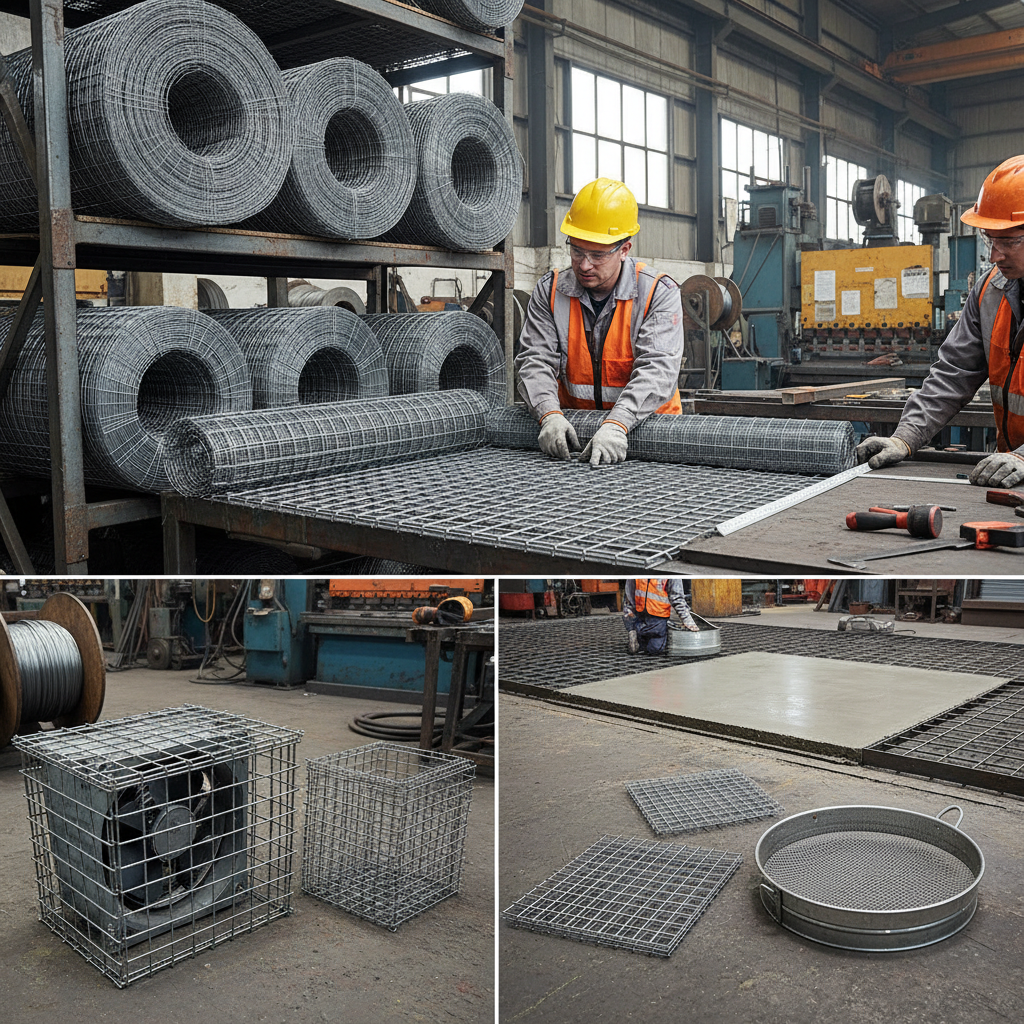
Square mesh refers to a type of woven wire fabric where the openings are consistently square. The mesh size is defined as the number of openings (squares) per linear inch. Therefore, a higher mesh count indicates smaller openings. For example, 10 mesh means there are 10 squares per inch, while 100 mesh has 100 squares per inch. This measurement dictates the size of particles or materials that can pass through the mesh. It’s important to note that mesh size is not the width of the openings; it’s the number of openings. Accurate specification of mesh size is vital for successful project execution.
Key Takeaway: Mesh size is expressed as the number of openings per inch, with higher numbers indicating smaller openings.
Different applications demand different square mesh sizes. Here’s a breakdown of some common sizes and where they’re typically used:
Beyond the application, several factors influence the ideal mesh size. These include the size of the particles you need to filter or screen, the material of the mesh (stainless steel, brass, aluminum, etc.), and the required strength and durability. Consider the potential for clogging if dealing with sticky materials and choose a mesh size that minimizes this risk. Also, account for any pressure or flow rate requirements. Finally, ensure the mesh material is compatible with the substances it will come into contact with to prevent corrosion or contamination.
The material of the mesh is just as important as the mesh size. Common materials include:
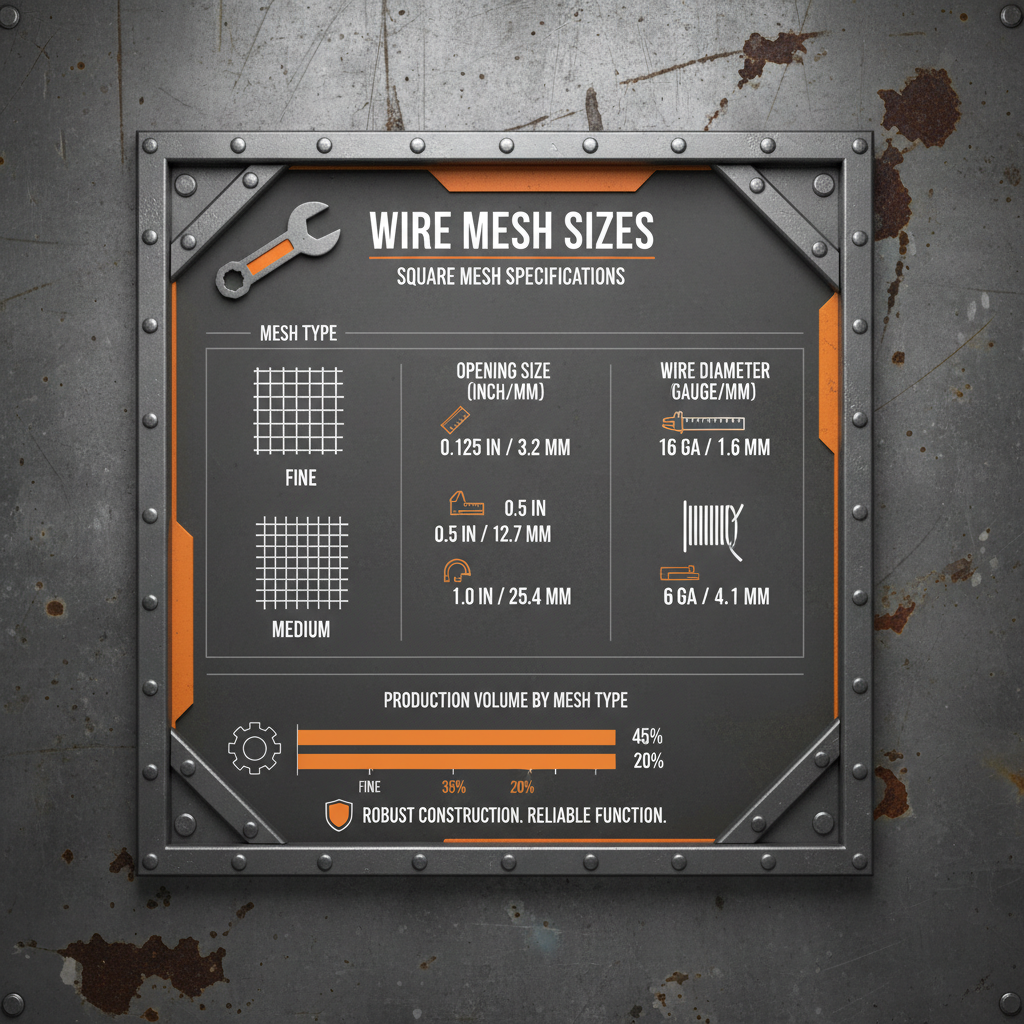
Stainless Steel: Excellent corrosion resistance, ideal for food processing, pharmaceutical, and marine applications.
Brass: Good corrosion resistance and conductivity, often used for decorative purposes and filters.
Aluminum: Lightweight and corrosion-resistant, suitable for screens and filters in less demanding environments.
Carbon Steel: Strong and durable, often used for industrial applications where corrosion isn’t a major concern.
Jinzehong Mesh is a leading manufacturer and supplier of high-quality square mesh, offering a wide range of sizes and materials to meet diverse requirements. We pride ourselves on our precise manufacturing processes, rigorous quality control, and commitment to customer satisfaction. Our experienced team can assist you in selecting the optimal mesh size and material for your application, ensuring peak performance and longevity. We offer competitive pricing and fast delivery, making us a reliable partner for all your mesh needs.
Choosing the right square mesh size is a critical step in ensuring the success of your project. By understanding the factors involved and partnering with a trusted supplier like Jinzehong Mesh, you can achieve optimal results. Don't settle for less than quality and precision - choose Jinzehong Mesh for all your mesh requirements.
Mesh count refers to the number of openings per linear inch, as discussed previously. Aperture size, on the other hand, is the actual measurement of the opening itself (e.g., 1mm x 1mm). While related, they are not the same. A higher mesh count indicates a smaller aperture size. Understanding both is important for precise specification. For example, a 100 mesh might have an aperture size of 0.01 inches. When ordering from Jinzehong Mesh, we can provide both specifications for clarity.
Yes, Jinzehong Mesh offers custom fabrication services. We can cut square mesh to specific dimensions, create custom shapes, and even weld or frame the mesh to meet your exact needs. This allows for a perfect fit in your application, minimizing waste and maximizing efficiency. Contact us with your requirements for a quote.
For corrosive environments, stainless steel (specifically 304 or 316 grades) is the most recommended material. These alloys offer excellent resistance to a wide range of chemicals and harsh conditions. Other materials, like brass or aluminum, may corrode quickly, leading to mesh failure and compromising safety or functionality. Jinzehong Mesh can advise on the optimal stainless steel grade for your specific corrosive environment.
Determining the correct mesh size for liquid filtration requires knowing the particle size of the contaminants you need to remove. The mesh size should be smaller than the particle size to effectively trap them. It's often recommended to perform a trial run with a small sample of the liquid and various mesh sizes to determine the most effective option. Jinzehong Mesh can provide samples for testing and offer guidance based on your liquid’s characteristics.
Hit enter to search or ESC to close


