08 Sep 2026
A well-designed fence is more than a boundary structure. It can improve property security, enhance privacy, define outdoor spaces, and add architectural style to residential, commercial, and industrial projects. Among various fencing options, metal fence design has become increasingly popular because of its durability, versatility, and modern appearance.
From minimalist steel fences for contemporary homes to heavy-duty metal security fencing for commercial properties, metal fences offer flexible solutions for different applications. With advanced manufacturing technologies, today’s metal fence designs combine strength with aesthetic appeal, allowing property owners, architects, and contractors to create functional and visually attractive outdoor environments.
This guide explores popular metal fence design ideas, different types of metal fencing, key advantages, and important factors to consider when selecting the right solution.
Modern metal fence design focuses on combining durability, safety, and visual appeal. Unlike traditional fencing materials, metal allows designers to create customized patterns, finishes, and structures that match different architectural styles.
For residential properties, sleek horizontal metal panels, decorative iron fences, and minimalist steel fences are common choices. These designs create a clean and contemporary look while maintaining privacy and security. Vertical metal bars are also widely used around gardens, villas, and residential communities because they provide protection without blocking natural light.
For commercial and industrial applications, practical designs are usually prioritized. Welded wire metal fences, steel mesh fences, and high-security metal barriers provide strong protection for factories, warehouses, construction sites, and public facilities. These designs are engineered to withstand harsh environments while requiring minimal maintenance.
Popular metal fence design trends include:
Minimalist geometric patterns for modern architectural projects
Laser-cut metal panels with customized decorative designs
Combination fences using metal with wood, glass, or concrete elements
Anti-climb security designs for restricted areas
Powder-coated finishes in various colors for long-lasting appearance
By choosing the right design style, a metal fence can become an important part of the overall landscape and building design.
Different applications require different fencing structures. Understanding the available options helps buyers select a suitable metal fence design based on security requirements, budget, and appearance.
Steel fences are one of the most durable options available. They offer excellent strength and resistance to impact, making them suitable for high-security applications. Steel fencing can be customized into various shapes, including ornamental designs, steel panels, and welded structures.
Because steel has a strong load-bearing capacity, it is commonly used for industrial facilities, commercial buildings, schools, and large residential properties.
Aluminum fences are lightweight, corrosion-resistant, and easy to maintain. They are especially suitable for coastal areas or locations with high humidity because aluminum naturally resists rust.
Modern aluminum metal fence designs often feature elegant lines and decorative finishes, making them popular for gardens, swimming pools, balconies, and residential landscapes.

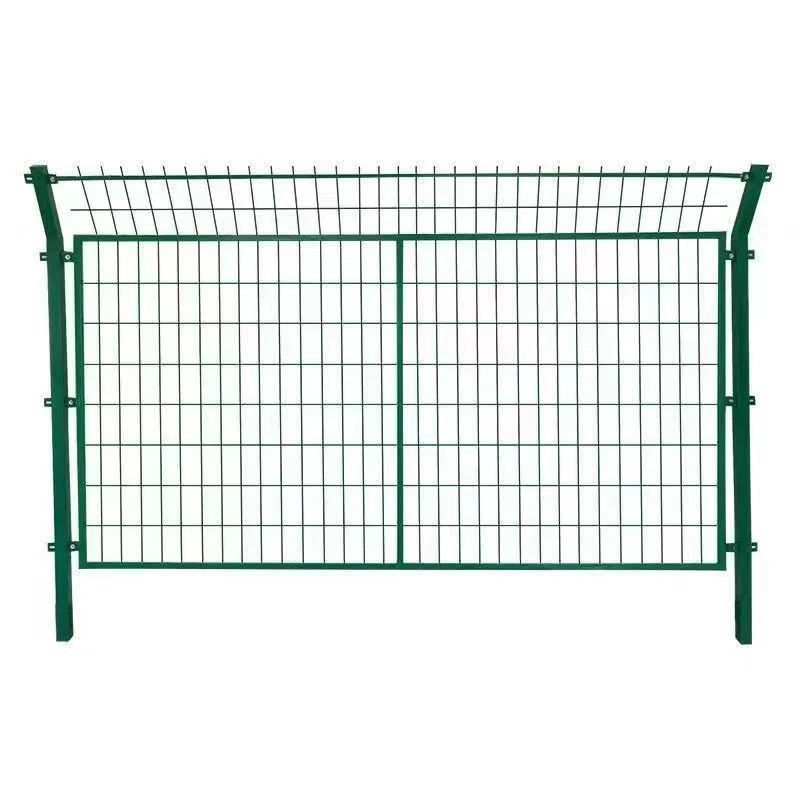
Welded wire fences provide a practical balance between visibility, security, and cost efficiency. The welded mesh structure creates a strong barrier while allowing airflow and visibility.
This type of metal fence design is widely used for:
With galvanized or PVC-coated finishes, welded wire fences can provide long service life in outdoor environments.

Decorative iron fences are known for their artistic appearance and classic style. They are commonly found in luxury homes, historical buildings, parks, and landscaped gardens.
Customized patterns, curves, and ornamental elements allow decorative iron fences to create a unique visual identity.
Selecting the right metal fence design provides multiple advantages compared with other fencing materials.
Metal fences are designed to withstand outdoor conditions, including wind, rain, sunlight, and temperature changes. Galvanized coatings and protective finishes improve corrosion resistance and extend the lifespan of the fence.
Compared with wooden fencing, metal fences are less likely to warp, crack, or require frequent replacement.
Security is one of the primary reasons people choose metal fencing. Strong metal structures create reliable barriers for protecting properties, equipment, and restricted areas.
For high-security locations, specialized designs such as anti-climb fences, reinforced steel panels, and tall perimeter fences can provide additional protection.
One of the biggest advantages of metal fence design is customization. Manufacturers can adjust:
This flexibility allows metal fences to meet different project requirements.
Modern metal fences require minimal maintenance compared with many traditional materials. Powder coating, galvanization, and corrosion-resistant treatments help maintain appearance and performance for years.
Regular cleaning and occasional inspections are usually sufficient to keep the fence in good condition.
Choosing an appropriate metal fence requires considering several important factors.
First, determine the primary purpose of the fence. A decorative garden fence may focus more on appearance, while an industrial security fence requires maximum strength and protection.
Second, consider the environmental conditions. Areas with high humidity, coastal exposure, or frequent rainfall may require corrosion-resistant materials such as galvanized steel or aluminum.
The fence style should also match the surrounding architecture. A modern building may benefit from simple metal panels or geometric designs, while traditional properties may be better suited to decorative iron fencing.
Other important considerations include:
Working with an experienced metal fence manufacturer can help ensure the final design meets both functional and aesthetic requirements.
Every property has unique requirements, which is why customized metal fence design solutions are becoming increasingly important. Professional manufacturers can provide complete services, including design consultation, material selection, production, surface treatment, and installation support.
For residential projects, customized metal fences can improve curb appeal while creating privacy and safety. For commercial and industrial projects, customized fencing systems can provide reliable perimeter protection and meet specific security standards.
With advanced production techniques, modern metal fence manufacturers can create durable and attractive solutions for a wide range of applications, including residential communities, factories, warehouses, farms, schools, parks, and infrastructure projects.
A carefully designed metal fence is not only a protective structure but also an investment that improves the value, appearance, and functionality of a property.
Conclusion
A high-quality metal fence design combines strength, durability, security, and visual appeal. Whether you need a modern residential fence, decorative iron barrier, welded wire security fence, or industrial perimeter solution, metal fencing provides flexible options for different environments.
By considering materials, design styles, security requirements, and customization possibilities, you can choose a metal fence that delivers long-term performance and enhances the overall appearance of your property.
Hit enter to search or ESC to close


