04 Apr 2026
Metal mesh, also known as wire mesh, is a versatile material utilized across a remarkably diverse range of industries – from construction and agriculture to filtration and security. Its adaptability stems from the sheer variety of types available, each possessing unique characteristics that make it suitable for specific applications. This article will delve into the different types of metal mesh, exploring their construction, properties, and common uses. Choosing the right type of mesh is crucial for optimal performance and longevity, and we’ll provide insights to guide your decision-making process.
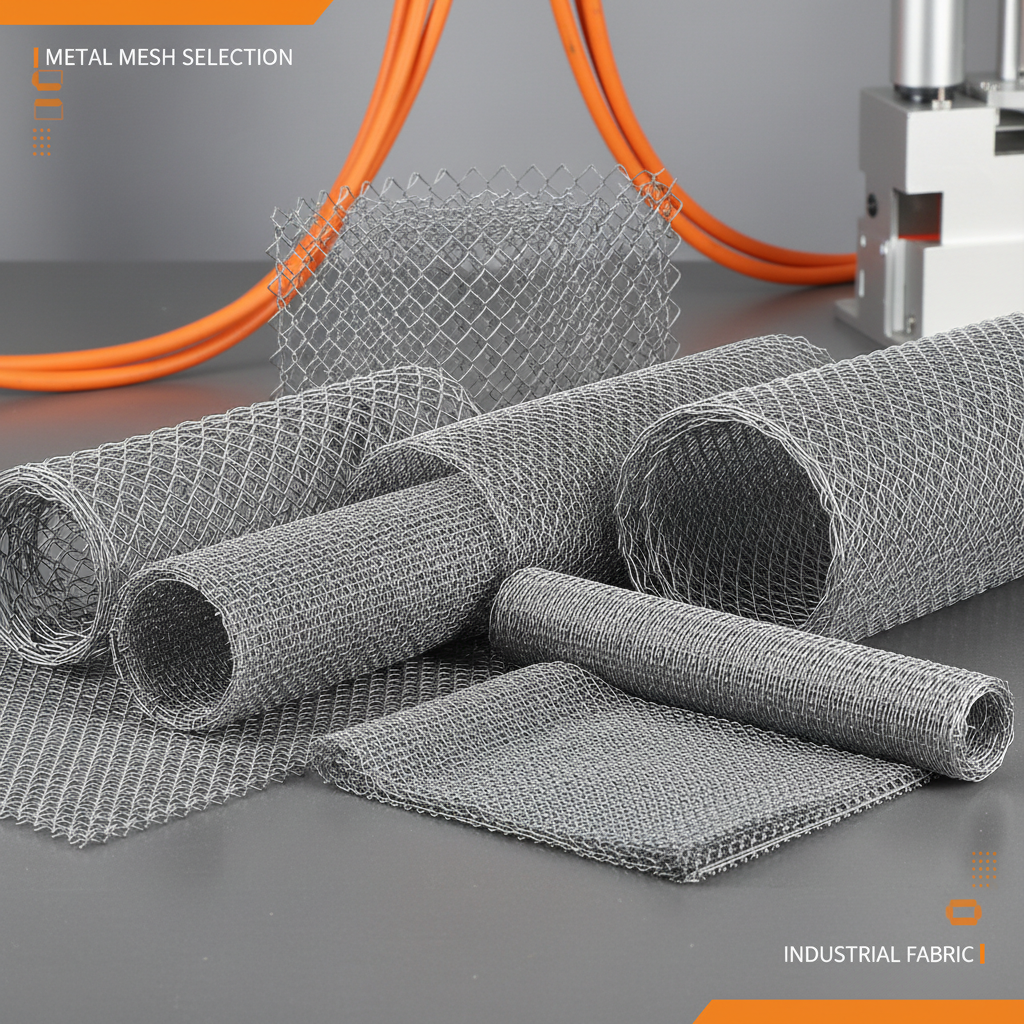
Woven metal mesh is created by weaving wires over and under each other in a regular pattern, much like fabric. This process results in a stable and durable mesh with consistent openings. Commonly made from stainless steel, carbon steel, and brass, woven mesh is known for its high strength and resistance to stretching. It’s frequently used in filtration systems, insect screening, and as a reinforcing material. The weave pattern (plain, twill, dutch) influences the mesh’s properties – plain weave offers stability, twill weave provides a tighter weave, and dutch weave excels in filtration due to its varying aperture sizes. Jinzehong Mesh offers a comprehensive range of woven metal mesh solutions for diverse industrial needs.
Key Highlights: Woven metal mesh offers high strength, consistent openings, and is suitable for filtration, screening, and reinforcement.
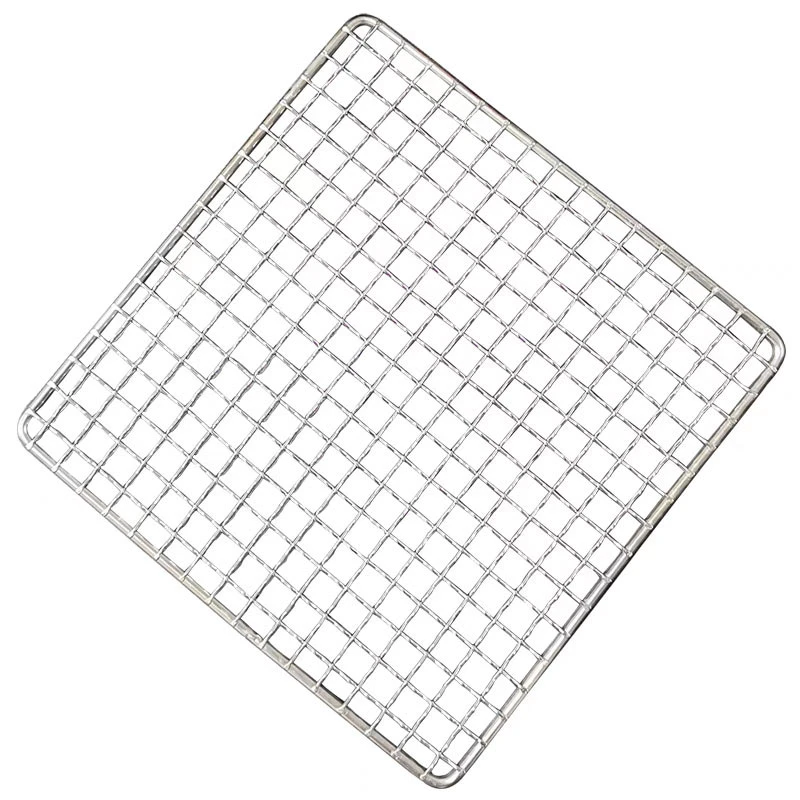
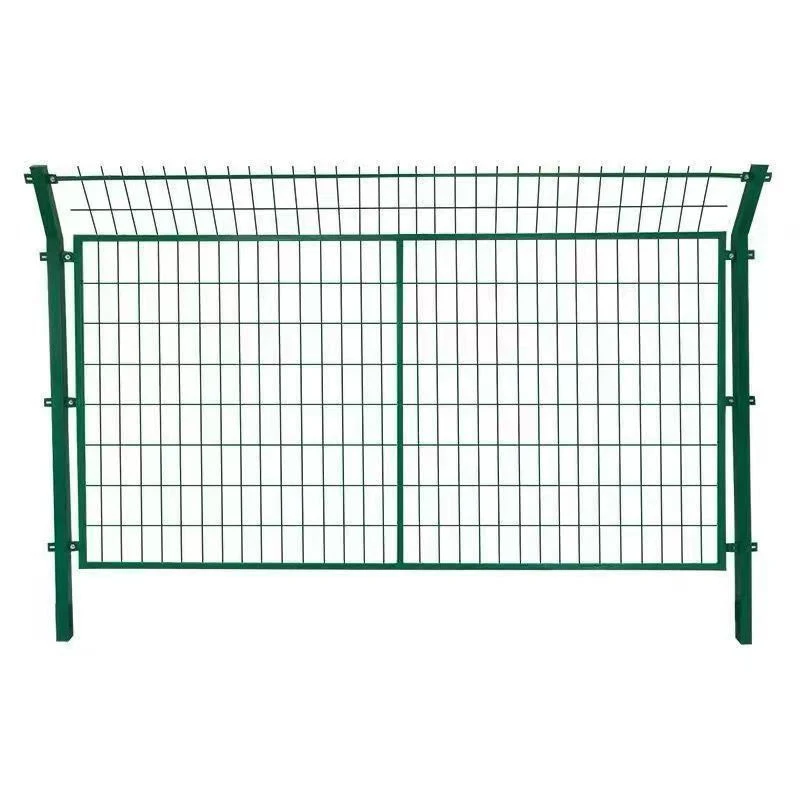
Welded metal mesh is formed by joining pre-cut wires at their intersection points using welding techniques, typically spot welding. This creates a rigid and robust mesh that’s particularly well-suited for applications requiring high structural integrity. Common materials include stainless steel, carbon steel, and galvanized steel. Welded mesh is widely used in construction for reinforcement, in fencing applications for security, and in animal enclosures. Unlike woven mesh, welded mesh generally has a more defined grid pattern and doesn't readily conform to curved surfaces.
Welded Mesh Benefits:
• High structural integrity
• Rigid grid pattern
• Suitable for reinforcement and fencing
• Cost-effective for larger areas
Understanding the nuances between different types of metal mesh is crucial for selecting the most appropriate option for your specific needs. Here’s a comparative table outlining the key characteristics of commonly used mesh types:
Expanded metal mesh is created from a solid sheet of metal that's been slit and stretched to form a diamond or square pattern. This process doesn't involve welding, resulting in a single-piece construction. Expanded metal is known for its high strength-to-weight ratio and its non-slip surface. It's commonly used for flooring, stair treads, guards, and ventilation systems. The open design also allows for excellent airflow and visibility.
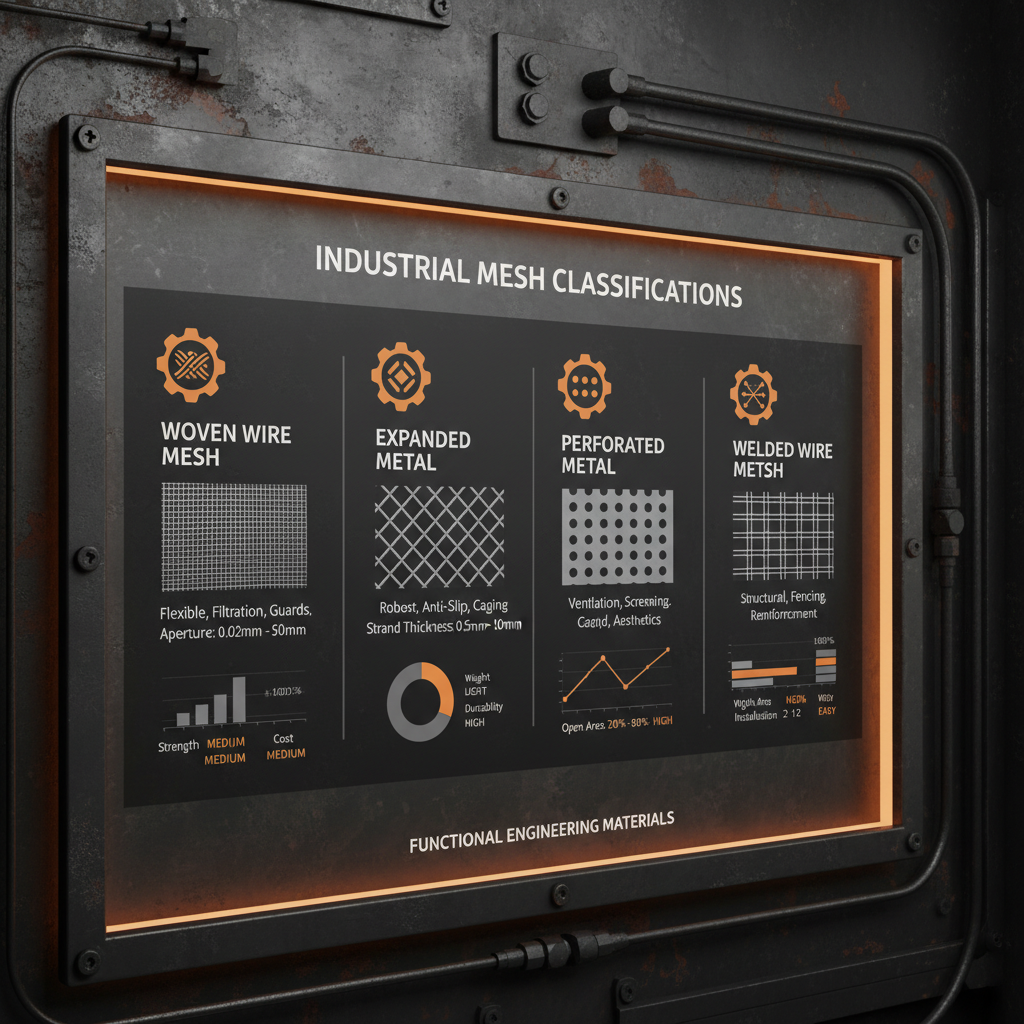
Crimped metal mesh is characterized by the wires having a distinct crimped or bent shape. This crimping process significantly enhances the mesh's strength and resistance to deformation. It can be either woven or welded, offering a variety of configurations. Crimped mesh is frequently used in vibrating screens, filters, and other applications requiring high durability and stability. The crimping also increases the surface area, improving its filtering capabilities. For specialized crimped mesh solutions, contact Jinzehong Mesh for customized options.
Selecting the appropriate type of metal mesh depends heavily on the intended application and specific performance requirements. Consider factors like material, strength, opening size, and cost when making your decision. Understanding the unique characteristics of each mesh type ensures you choose a solution that delivers optimal results and longevity.
The most common materials include stainless steel (known for its corrosion resistance), carbon steel (offering strength and cost-effectiveness), aluminum (lightweight and non-corrosive), and galvanized steel (carbon steel coated with zinc for corrosion protection). The choice of material depends on the application environment and desired properties. For example, stainless steel is preferred in food processing or marine environments due to its resistance to corrosion, while carbon steel might be sufficient for indoor construction applications.
Mesh size is typically measured as the number of openings per inch. A higher mesh count indicates smaller openings. For example, a mesh size of 100 means there are 100 openings per linear inch. It's important to note that the measurement refers to the number of openings, not the wire diameter. When specifying mesh, it's crucial to be clear about whether you're referring to the mesh count or the wire gauge (diameter).
Stainless steel mesh offers exceptional corrosion resistance, making it ideal for harsh environments. It's also strong, durable, and hygienic, making it suitable for food processing, pharmaceutical, and chemical applications. While more expensive than other materials like carbon steel, its long lifespan and low maintenance requirements often make it a cost-effective choice in the long run.
Yes, metal mesh can be extensively customized. Manufacturers like Jinzehong Mesh offer custom mesh sizes, materials, weaves, and finishes to meet specific application needs. Customization options include specific aperture sizes, edge treatments, and even specialized alloys. Working with a reputable manufacturer is key to ensuring the customized mesh meets your exact requirements.
Hit enter to search or ESC to close


