26 Mar 2026
Wire gauze is a versatile material used across a surprisingly wide range of applications, from laboratory filtration to industrial screening. Understanding its purpose and properties is crucial for selecting the right type for your specific needs. This article will explore the various applications of wire gauze, its manufacturing process, material options, and key considerations for choosing the best product. We’ll delve into the details to provide a thorough understanding of this essential material.
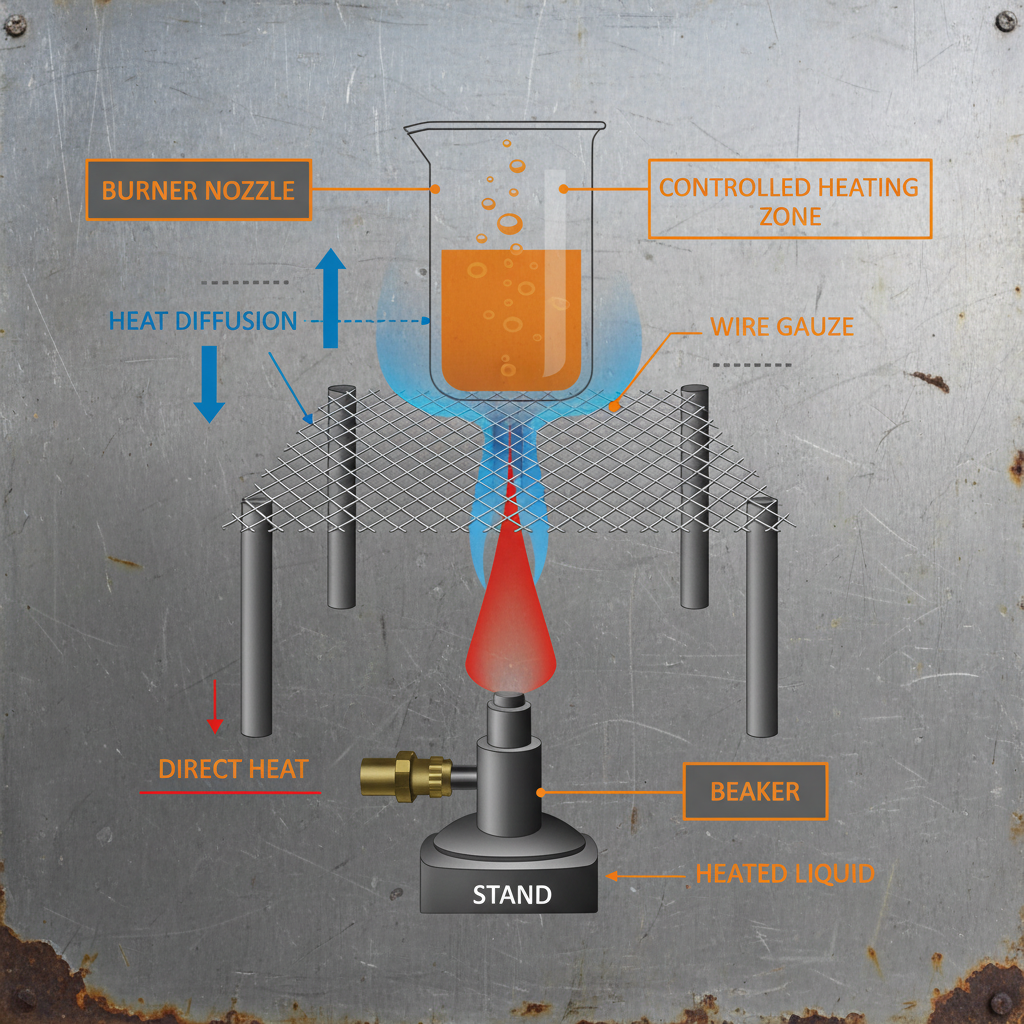
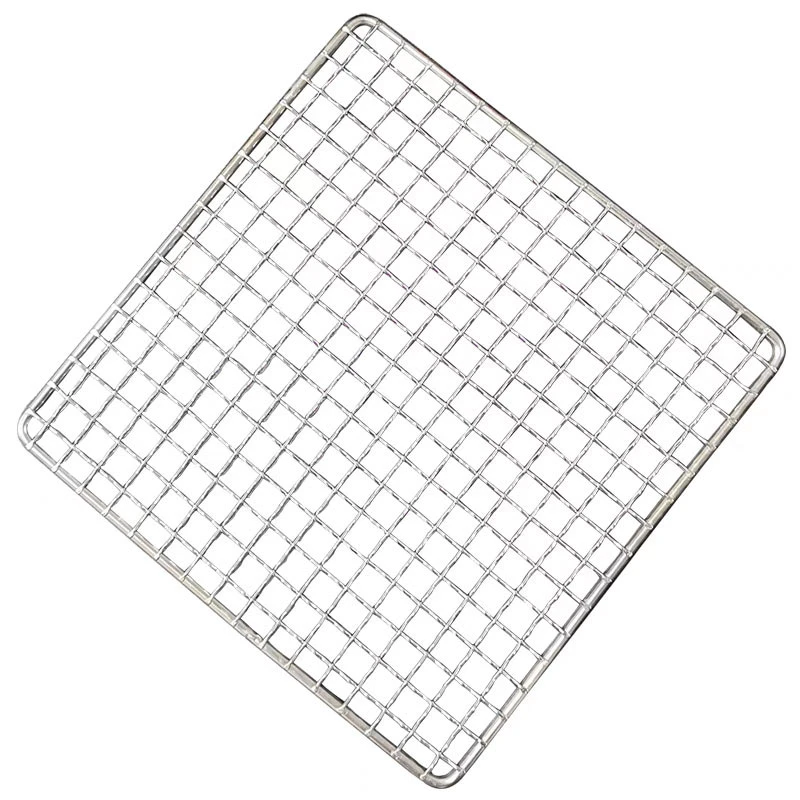
At its most fundamental, the purpose of wire gauze is to provide a porous barrier for separation, filtration, or support. It’s constructed by weaving or welding wires to create a mesh-like structure. The size and material of the wires, as well as the mesh count (wires per inch), determine the gauze’s permeability and strength. This adaptability is what makes wire gauze so valuable across various industries. It's frequently used to prevent the escape of materials during processes or to maintain airflow while excluding unwanted particles. Jinzehong Mesh offers a wide range of wire gauze options to suit different applications.
Key Takeaway: Wire gauze functions as a versatile barrier, offering filtration, separation, and support across diverse applications thanks to its adaptable construction.
One of the most common applications of wire gauze is in laboratories. It’s frequently used as a safety cover over flasks and beakers during heating, preventing splashes and containing any potential eruptions. This is especially important when dealing with volatile or corrosive substances. Additionally, wire gauze is used in filtration processes, separating solid particles from liquids. The mesh size is carefully selected based on the particle size needing to be filtered. The durable nature of the metal allows for repeated use and cleaning.
Laboratory Applications Benefits:
• Prevents splashes and eruptions during heating.
• Facilitates efficient filtration of solids from liquids.
• Durable and reusable for multiple experiments.
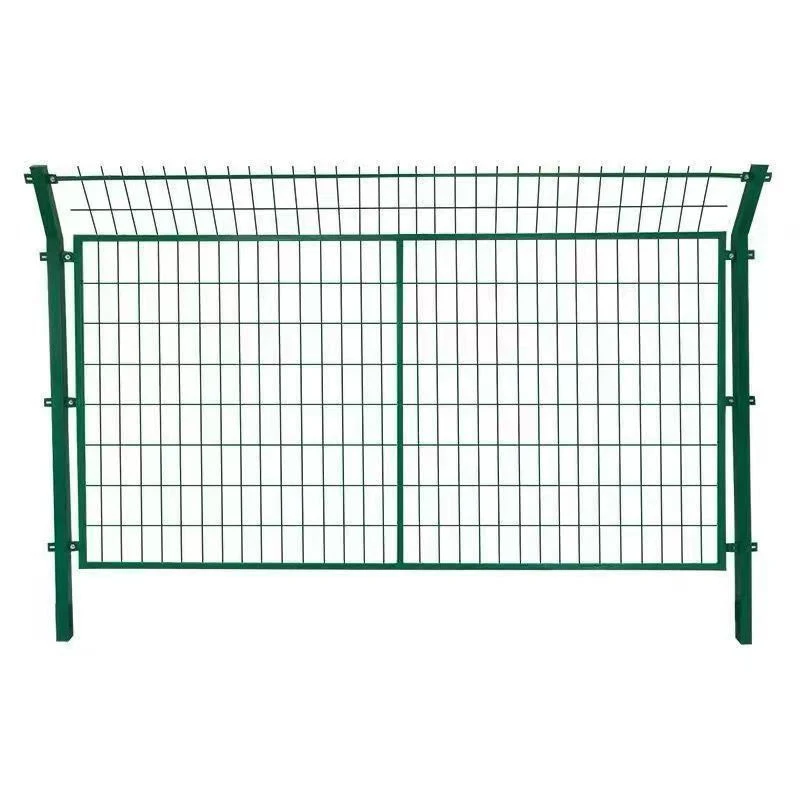
Beyond the lab, wire gauze plays a critical role in numerous industrial processes. It's widely used for screening materials, separating particles based on size, and ensuring product quality. In ventilation systems, wire gauze acts as a filter, removing dust and debris from the air. It’s also employed in the manufacturing of loudspeakers as a protective cover for the drivers, preventing damage from external objects. Furthermore, its use in security applications as a barrier against intrusion is becoming increasingly prevalent.
Wire gauze is available in a variety of materials, each offering different properties. Stainless steel is a popular choice due to its corrosion resistance and durability. Brass gauze is often used for its electrical conductivity. Other materials like aluminum, copper, and even Monel are employed depending on the specific application requirements. Factors to consider when selecting the material include the operating temperature, exposure to corrosive substances, and the required strength and flexibility. Jinzehong Mesh can assist you in identifying the optimal material for your needs.
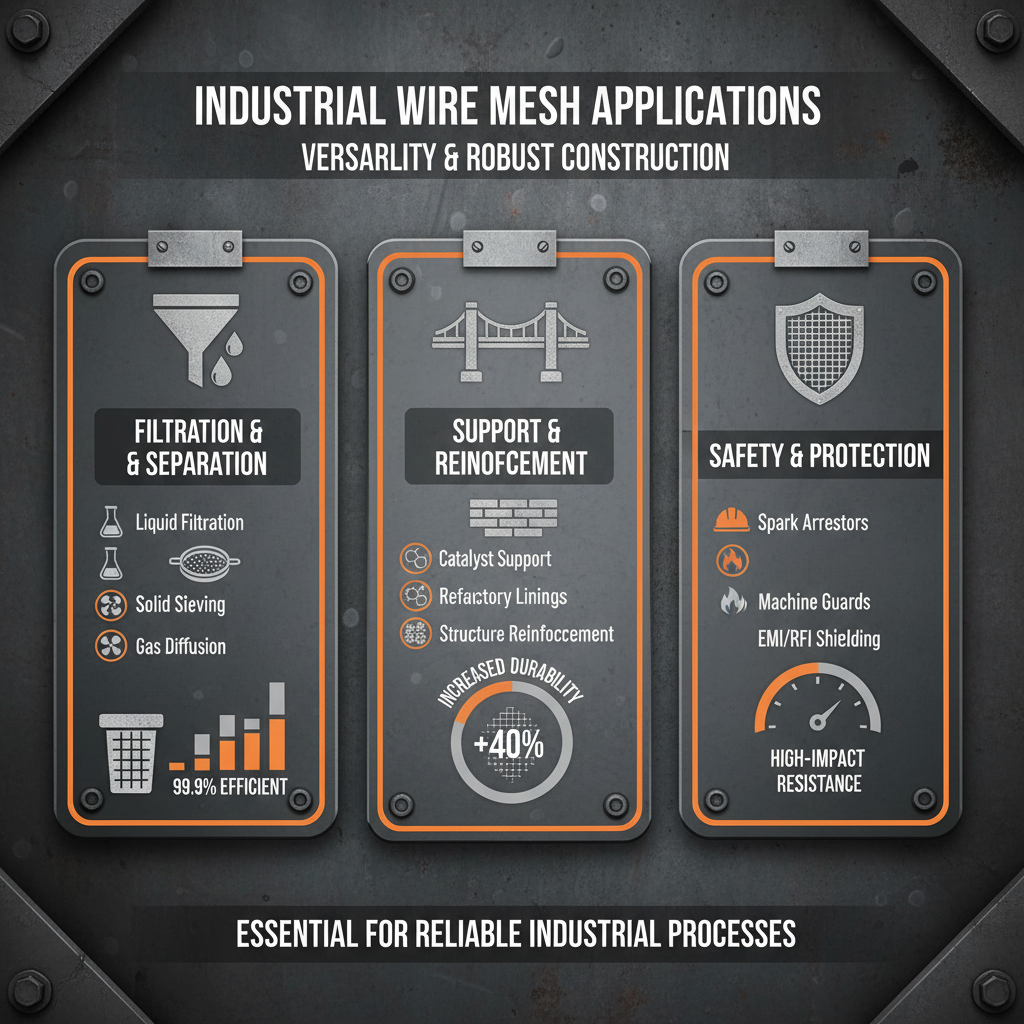
The mesh count and wire diameter are critical factors affecting the functionality of wire gauze. A higher mesh count indicates smaller openings, resulting in finer filtration or more secure screening. Conversely, a lower mesh count offers larger openings, allowing for greater airflow or faster drainage. The wire diameter determines the gauze’s strength and rigidity. Choosing the appropriate combination of mesh count and wire diameter is essential for optimizing performance and ensuring the gauze meets your specific application demands. Consulting with a specialist, such as those at Jinzehong Mesh, can help you make the right decision.
Wire gauze is a remarkably versatile material with applications spanning laboratories, industries, and security. Its adaptability, durability, and range of material options make it an essential component in numerous processes. Understanding the purpose of wire gauze and the key factors influencing its performance – material, mesh count, and wire diameter – allows for informed selection and optimal results. For high-quality wire gauze solutions, consider Jinzehong Mesh as your trusted partner.
Woven wire gauze is created by interlacing wires in a pattern, similar to fabric, providing a more uniform and precise mesh. Welded wire gauze, on the other hand, is made by fusing wires together at the points of intersection. Welded gauze is generally more rigid and cost-effective, while woven gauze offers greater flexibility and tighter tolerances. The choice depends on the application; woven gauze is preferred for filtration where precision is crucial, while welded gauze is suitable for applications requiring structural integrity.
Cleaning methods depend on the material and the type of contamination. For general cleaning, a mild detergent and warm water are usually sufficient. For stubborn residues, a gentle scrubbing brush can be used. Stainless steel gauze can withstand more aggressive cleaning agents, while brass gauze should be cleaned with specialized brass cleaners to prevent tarnishing. Avoid using abrasive cleaners or harsh chemicals that could damage the mesh. Thorough rinsing and drying are essential to prevent corrosion.
Yes, wire gauze can typically be cut to custom sizes using various methods, including shears, wire cutters, or laser cutting. However, the cutting method should be chosen based on the material and the desired edge finish. Cutting can sometimes distort the mesh, so it's important to use appropriate techniques and tools. Jinzehong Mesh offers custom cutting services to meet specific requirements.
Hit enter to search or ESC to close


