16 Apr 2026
In the world of industrial filtration, construction, and architecture, selecting the right material is the cornerstone of project success. Understanding the various metal mesh types is essential for optimizing performance, ensuring durability, and maintaining cost-efficiency. From the precision of woven wire to the strength of welded grids, each type of mesh serves a unique purpose. This guide provides a professional deep dive into the most common types of metal mesh, helping engineers and procurement specialists make informed decisions based on technical specifications and application needs.
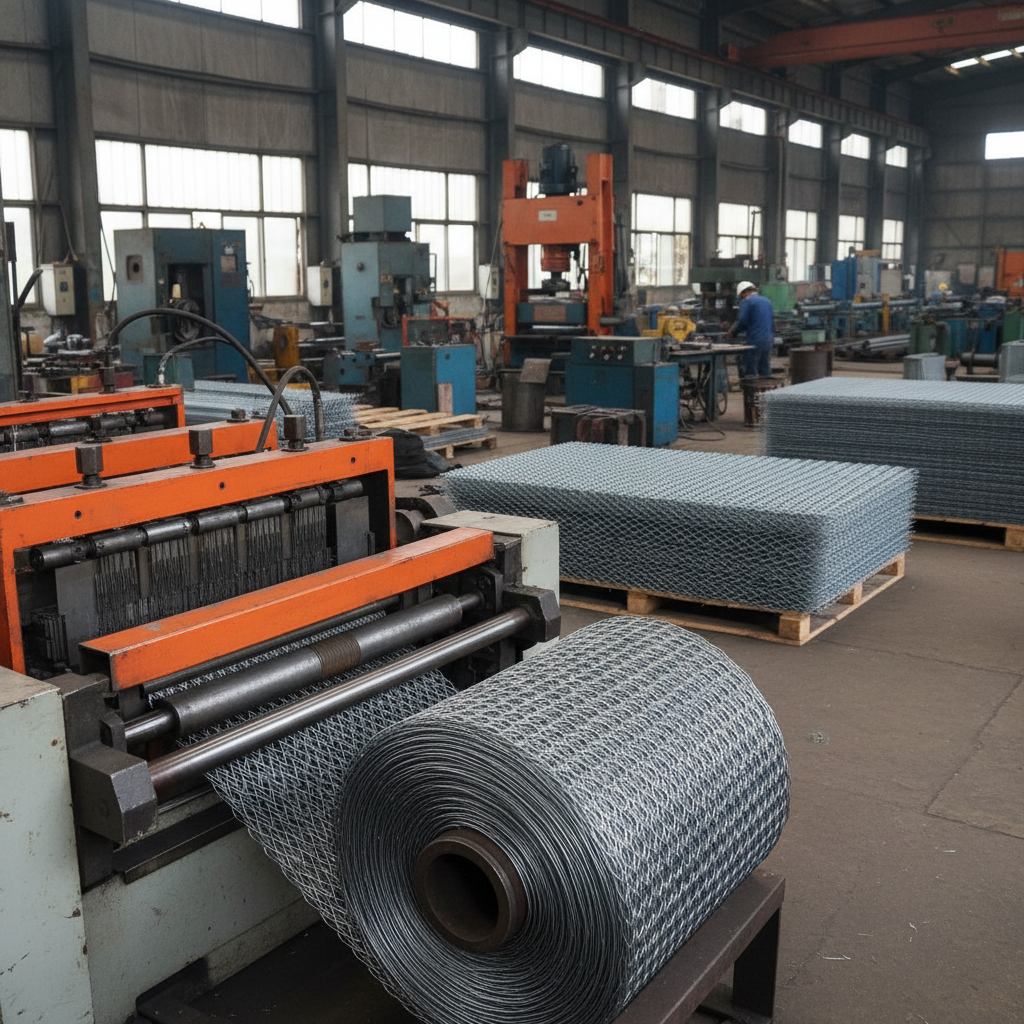
Woven wire mesh is created by interlacing two or more sets of wires at right angles to each other. This process allows for extreme precision in aperture size and shape, making it the go-to choice for filtration and screening. Depending on the weave pattern—such as plain, twill, or dutch weave—the mesh can offer different levels of permeability and strength. High-quality metal mesh types in the woven category are often manufactured from stainless steel to prevent corrosion in harsh chemical environments. Its ability to be customized in terms of wire diameter and mesh count makes it incredibly versatile.
Pro Tip: Plain weave is best for basic filtering, while Twill weave provides a denser structure and better resistance to clogging in heavy-duty industrial applications.
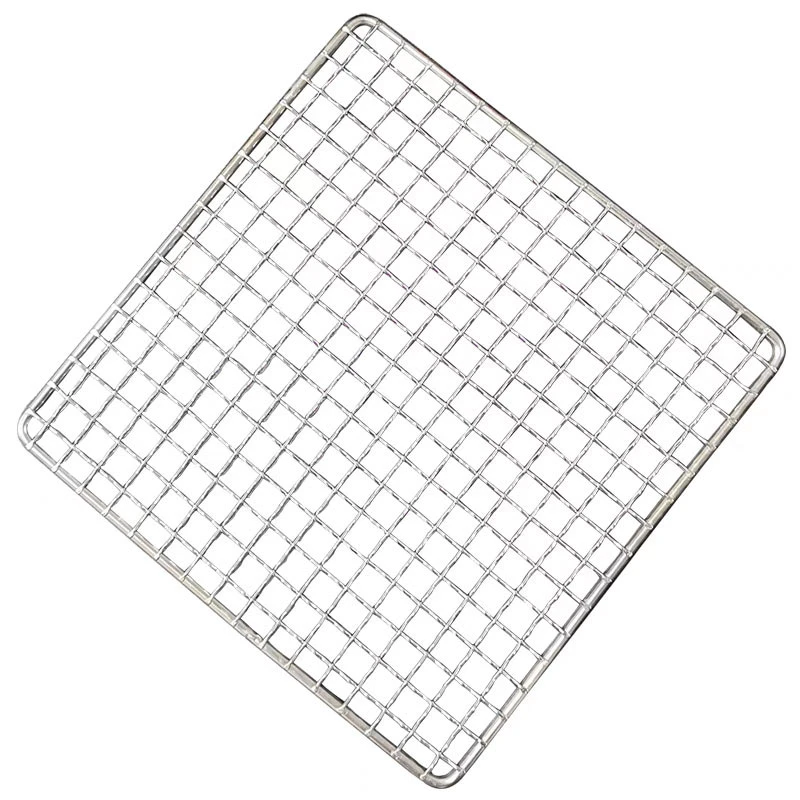
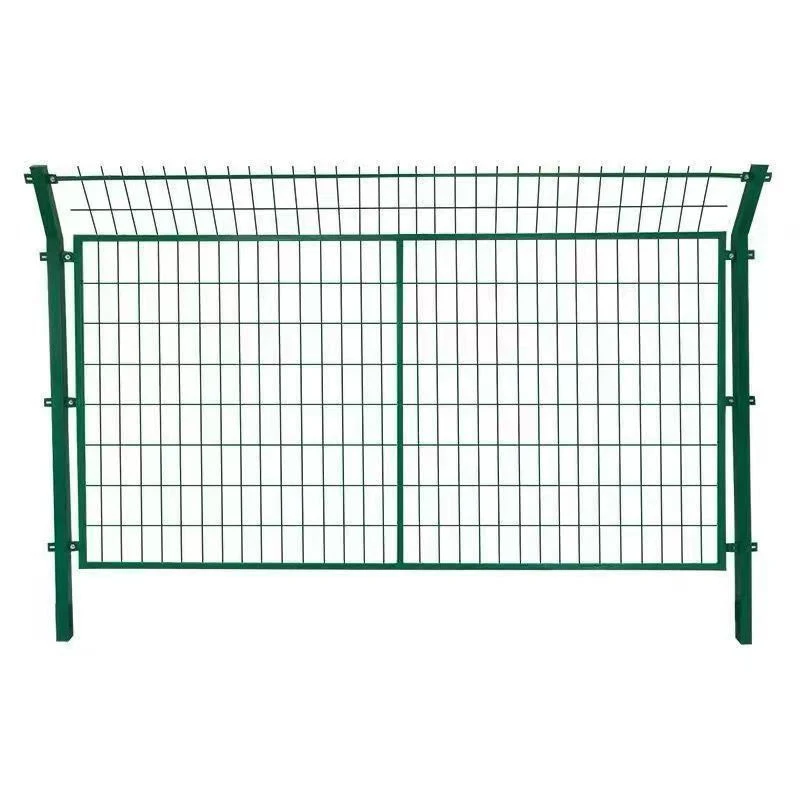
Unlike woven mesh, welded wire mesh is formed by fusing longitudinal and transverse wires together at every intersection using electric resistance welding. This creates a rigid, stable structure that does not shift under pressure. When comparing different metal mesh types, the choice between welded and woven usually comes down to the need for structural rigidity versus filtration precision. Welded mesh is ideal for security fencing and shelving, whereas woven mesh excels in laboratory and chemical processing.
Expanded metal is not woven or welded; instead, it is produced by shearing a single sheet of metal and stretching it. This process creates a diamond-shaped pattern that offers a high strength-to-weight ratio. Among various metal mesh types, expanded metal is prized for its slip-resistant properties and transparency. It is frequently used in walkways, mezzanines, and security panels where airflow and light penetration are required without compromising safety.
Perforated metal is created by punching or laser-cutting a series of holes into a metal sheet. This method allows for the most diverse range of patterns among all metal mesh types, including round, square, slotted, or decorative custom shapes. Perforated sheets are widely used for acoustic panels, speaker grilles, and industrial baskets. The ability to control the "open area percentage" makes it an ideal choice for heat exchangers and ventilation systems.
Common Perforation Materials:
• Stainless Steel: Best for food processing and medical use.
• Aluminum: Lightweight and corrosion-resistant for outdoor use.
• Galvanized Steel: Cost-effective for industrial flooring.
Choosing the correct mesh requires a detailed look at the technical specifications. Factors such as wire gauge, mesh count (number of wires per inch), and material grade directly influence the longevity of the product. For instance, Grade 304 stainless steel is standard, while Grade 316 is required for marine environments. Below is a specification table for the most requested metal mesh types used in current industrial projects.
The final step in selecting from various metal mesh types is matching the mesh to the environment. In chemical processing, corrosion resistance is the priority, making stainless steel woven mesh the gold standard. In architectural design, aesthetics and light diffusion take center stage, leading professionals toward perforated or expanded metal. For heavy-duty containment, such as animal enclosures or industrial partitions, welded mesh provides the necessary security and strength. By evaluating the load, environment, and purpose, you can ensure a long-lasting installation.
Selecting the appropriate metal mesh types is more than just a procurement task; it is a technical decision that impacts the safety and efficiency of your operation. Whether you require the precision of woven wire, the rigidity of welded mesh, or the strength of expanded metal, understanding these differences is key. By prioritizing material grade and structural geometry, you can maximize the lifespan of your equipment and reduce maintenance costs. For professional guidance and premium mesh solutions, always rely on industry experts to ensure your specifications are met exactly.
The primary difference lies in the chemical composition. 304 stainless steel is the most common grade, offering excellent corrosion resistance for general industrial use. 316 stainless steel, however, contains molybdenum, which significantly increases its resistance to chlorides and sulfuric acids. This makes 316 the preferred choice for marine environments, pharmaceutical plants, and chemical processing where exposure to salt or aggressive chemicals is frequent. While 316 is more expensive, its longevity in harsh conditions prevents frequent replacements.
Mesh count refers to the number of openings per linear inch. To determine the correct count, you must first identify the size of the smallest particle you need to filter out. A higher mesh count means smaller openings and finer filtration. However, as the mesh becomes finer, the flow rate (permeability) decreases, and the risk of clogging increases. We recommend conducting a trial with a few different metal mesh types to find the optimal balance between filtration efficiency and flow speed.
Yes, expanded metal is highly effective for load-bearing walkways, provided the correct gauge and strand size are selected. Because of its integrated structure, it does not have welds that can break under stress. Additionally, the diamond pattern provides natural traction, making it safer than flat plates in wet or oily conditions. For maximum safety, expanded metal walkways are often galvanized to prevent rust and are supported by a robust steel frame to prevent deflection.
For security fencing, welded wire mesh is generally the best choice. Its rigidity ensures that the fence remains taut and resists attempts to bend or cut the wire. Depending on the security level, you can choose thicker wire gauges or smaller apertures to prevent intruders from gaining a foothold. When combined with a PVC coating or hot-dip galvanization, welded mesh provides a long-term, low-maintenance security barrier that is far superior to traditional chain-link fences.
Hit enter to search or ESC to close


