23 Oct 2026
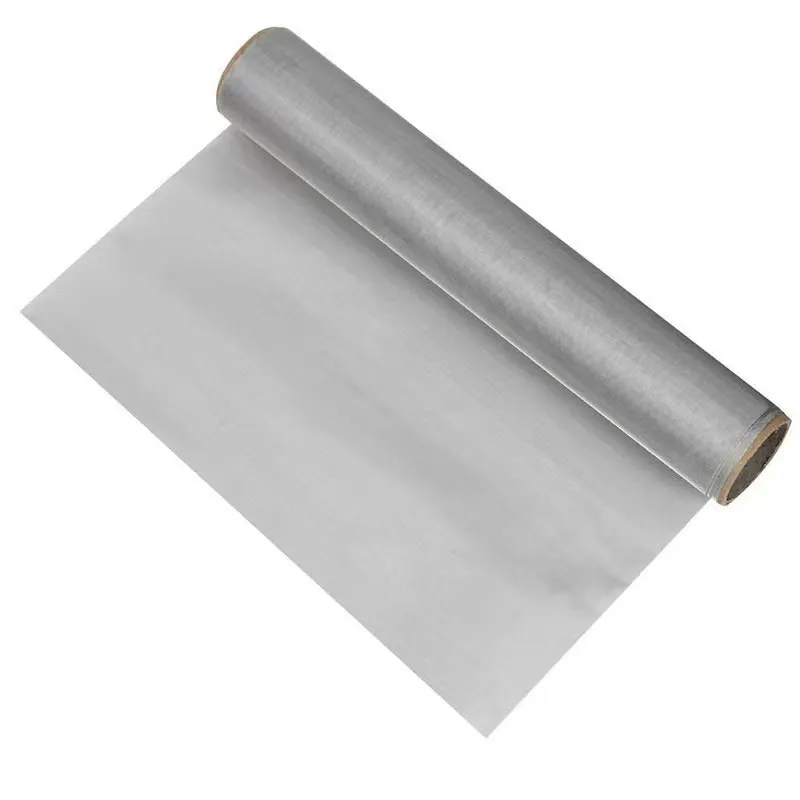
Procurement managers and cost estimators evaluating stainless steel woven wire mesh options must establish evaluation scopes around the supplied material choices of 304, 316, and 316L alongside target sectors. Cost comparisons across these grades depend strictly on verified purchasing parameters rather than fabricated lifespan metrics or unverified price rankings.
Target sectors span industrial filtration, architectural decoration, environmental protection, food processing, pharmaceuticals, petrochemicals, mining, aerospace, construction, agriculture, residential, commercial, electronics, warehouses, and urban infrastructure. Material designations alone do not determine cost rankings, lifespan, or specific environmental resistance.
Baseline inventory data collection is organized across these designated sectors.
Material options for cost estimation are restricted strictly to 304, 316, and 316L grades. Industrial sectors requiring evaluation incorporate industrial filtration, architectural decoration, environmental protection, food processing, pharmaceuticals, petrochemicals, mining, aerospace, construction, agriculture, residential, commercial, electronics, warehouses, and urban infrastructure. Structural principles dictate that material designations alone do not dictate specific cost rankings, lifespan figures, or environmental resistance.
Purchasing data collection across these sectors relies on systematic inventory mapping. Procurement parameters are established by aligning material grades against specific application scopes and industry demands.
Verification workflows require cost estimators to record baseline quotation criteria without assuming unverified performance metrics. Quotation requests must be structured around identical quantity tiers and delivery schedules.
Applications span filtration, screening, protection, sieving, separation, reinforcement, insect screening, safety guarding, ventilation, architectural design, facades, partitions, decorative panels, ceiling installations, interior design, furniture applications, and pest prevention. Procurement teams organize these specific application scopes during comprehensive cost comparisons. Strict adherence to supplied terms prevents the extrapolation of technical performance ratings or protective durability assertions.
Operational needs are mapped directly to raw material choices through systematic verification processes. Cost models remain unskewed when estimators avoid unverified replacement frequencies and loss rate assumptions.
Verification protocols ensure that procurement documentation matches the designated material boundaries. Structured review workflows prevent unverified performance assumptions from entering cost estimation models.
Comparative pricing matrices incorporate identical quantity, delivery schedule, and warranty parameters across 304, 316, and 316L grades. Material variables and target industrial sectors are aligned side by side for quotation consistency. Unverified loss rates, replacement frequencies, and specific unit price assumptions are excluded from the matrix structure.
Baseline facts from the white list are reflected without introducing external standards or unlisted certification metrics. Procurement teams utilize standardized quotation templates to cover identical quantity thresholds.
| Material Grade | Target Industry Sector | Application Scope | Pricing Alignment Criteria |
|---|---|---|---|
| 304 | Industrial filtration | Filtration | Confirm order lot sizing |
| 316 | Environmental protection | Screening | Verify batch tolerances |
| 316L | Food processing | Sieving | Align freight schedules |
| 304 | Architectural decoration | Facades | Match finish specifications |
| 316 | Pharmaceuticals | Separation | Validate packaging counts |
| 316L | Petrochemicals | Protection | Check delivery milestones |
| 304 | Mining | Reinforcement | Review lead time bounds |
| 316 | Aerospace | Safety guarding | Inspect surface coatings |
| 316L | Construction | Ventilation | Audit dimensional checks |
| 304 | Agriculture | Insect screening | Compare unit quantities |
| 316 | Residential | Pest prevention | Validate stock levels |
| 316L | Commercial | Partitions | Check structural forms |
| 304 | Electronics | Decorative panels | Align shipment batches |
| 316 | Warehouses | Ceiling installations | Verify panel dimensions |
| 316L | Urban infrastructure | Interior design | Review site parameters |
The comparative matrix serves as an alignment tool for verifying supplier quotation consistency. Cost estimators cross-reference material designations with specific application fields.
Cost estimators execute step-by-step procedures to align quote requests across 304, 316, and 316L grades. Incoming supplier quotations are verified against identical quantity tiers and delivery terms. Checklist fields allow procurement teams to record missing supplier documentation and verification gaps systematically.
Review workflows standardize the evaluation of supplier responses to prevent unverified performance assumptions from distorting financial models. Quotation requests must be structured using only verified material and application parameters.
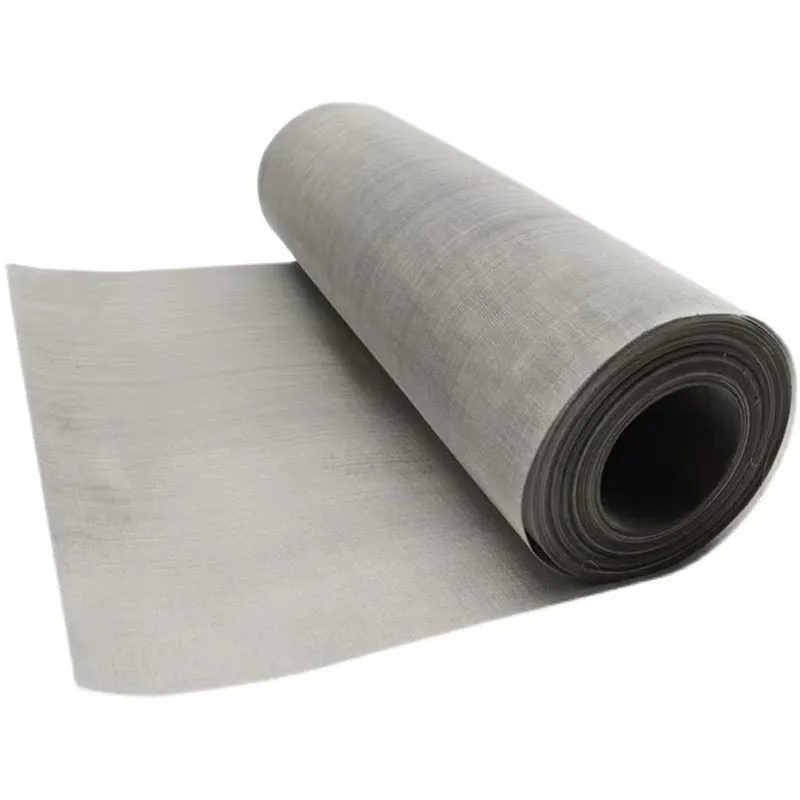
Procurement teams verify that submitted pricing templates match designated material parameters. Consistent evaluation procedures eliminate discrepancies in cost estimation models.
Documentation gaps are addressed transparently by identifying unprovided standards, testing methods, and numerical performance ratings. Certification records list names without numbers, issuing bodies, test reports, or specific regulatory scopes. Assertions are restricted strictly to provided facts, avoiding assumptions of customs clearance ability or compliance correspondence.
Mandatory limits on explanatory boilerplate ensure concise documentation review. Procurement managers maintain rigorous oversight of missing supplier documentation through systematic checklists.
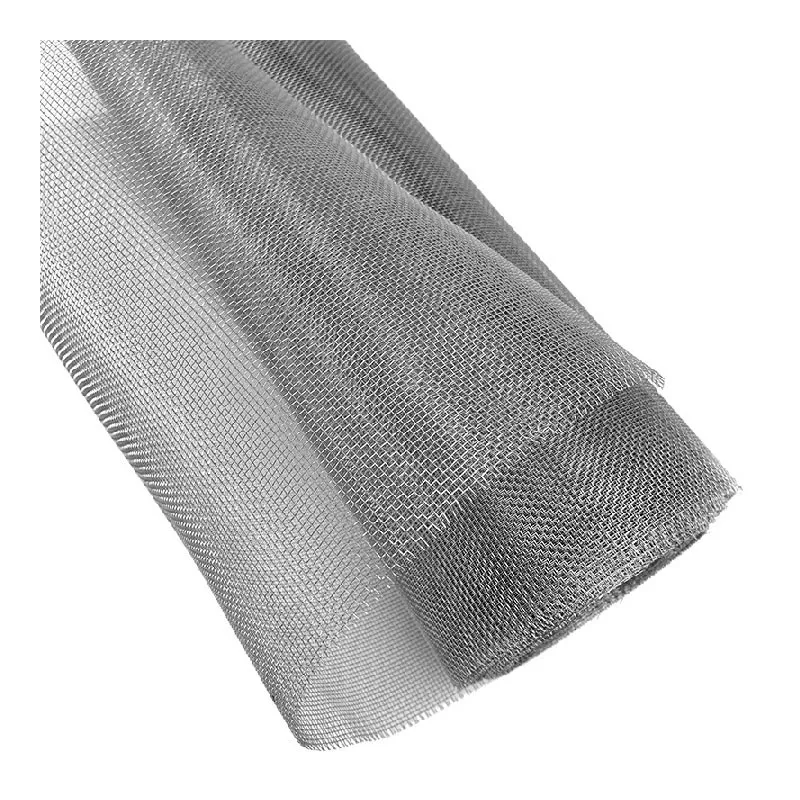
Verification workflows isolate unverified claims from formal quotation analysis. Cost estimators document all evidence limitations during the initial review phase.
Material selection criteria and pricing parameters synthesize into a cohesive total holding cost review process. Procurement managers outline actionable steps to issue structured quotation requests based strictly on verified fields. Systematic checklists enable cost estimators to evaluate supplier responses against defined material boundaries.
Concrete verification workflows conclude upcoming purchasing decisions. Cost models remain robust when evaluated against standardized quantity and delivery parameters.
Procurement teams compile standardized Request for Quotation documents using only supplied material and application fields. Pricing comparisons align with identical quantity and delivery parameters while logging missing certification details.
What verification workflow is required when issuing formal requests for quotation? Procurement personnel must ensure all inquiries map strictly to the specified material grades and designated industry sectors without adding unverified performance assumptions.
How are cost estimators supposed to handle missing documentation from suppliers? Teams utilize systematic checklists to log unprovided test methods, missing standard numbers, and absent issuing bodies during initial quotation reviews.
Why must unit price comparisons rely on identical quantity thresholds? Uniform volume tiers prevent financial distortion caused by variable batch scaling or unverified loss rate estimates.
Discrete options for tender estimation comprise 304, 316, and 316L. Material designations alone do not dictate specific cost rankings, longevity figures, or environmental resistance.
Procurement estimators structure initial financial assessments by categorizing these baseline grades against variable order volumes and delivery destinations.
Cost calculations incorporate diverse operational environments spanning industrial filtration, architectural decoration, environmental protection, and food processing. Further requirements extend across pharmaceuticals, petrochemicals, mining, aerospace, construction, agriculture, residential, commercial, electronics, warehouses, and urban infrastructure.
Aggregating these sectors depends entirely on verifiable quantity tiers rather than unverified durability metrics.
Operational tasks involving industrial filtration, environmental protection, and food processing depend on selecting appropriate raw material grades. Procurement teams evaluate how specific separation duties influence purchasing volumes.
Screening, sieving, and separation activities utilize woven wire mesh configurations mapped directly to designated material choices. Order lots are organized by cross-referencing sector requirements against available metal specifications.
Architectural decoration, facades, partitions, decorative panels, and ceiling installations require precise dimensional matching during cost evaluation. Ventilation, insect screening, safety guarding, protection, and reinforcement applications demand structured verification workflows.
Operational needs dictate raw material choices based strictly on project volume and delivery schedules. Structural integration depends on mapping specific dimensions to designated deployment contexts.
Comparative quote templates depend on aligning identical quantity tiers, delivery schedules, and warranty terms directly against 304, 316, and 316L inventories.
Side-by-side matrices link material variables with sectors such as industrial filtration, architectural decoration, environmental protection, food processing, pharmaceuticals, petrochemicals, mining, aerospace, construction, agriculture, residential, commercial, electronics, warehouses, and urban infrastructure.
Unit price assumptions and replacement frequency estimations remain unlisted to prevent unverified cost models from entering preliminary tenders.
| material | application | industry | certification | procurement_verification |
|---|---|---|---|---|
| 304 | industrial filtration | industrial filtration | Verify volume tiers against scheduled delivery dates | |
| 304 | architectural decoration | architectural decoration | Align destination port terms with baseline quantity batches | |
| 304 | environmental protection | environmental protection | Confirm exact warranty parameters for initial orders | |
| 304 | food processing | food processing | Check delivery schedules against designated lot sizes | |
| 304 | pharmaceuticals | pharmaceuticals | Review material grades for specific project scopes | |
| 304 | petrochemicals | petrochemicals | Establish baseline quantity thresholds for quotation alignment | |
| 304 | mining | mining | Match delivery timelines with regional distribution centers | |
| 304 | aerospace | aerospace | Verify warranty duration against operational expectations | |
| 304 | construction | construction | Cross-check volume tiers with scheduled site arrivals | |
| 304 | agriculture | agriculture | Align material specifications with bulk purchasing criteria | |
| 316 | residential | residential | Confirm delivery parameters for regional distribution channels | |
| 316 | commercial | commercial | Evaluate quantity breakpoints for project-based tenders | |
| 316 | electronics | electronics | Verify warranty terms against designated supplier agreements | |
| 316 | warehouses | warehouses | Check bulk order schedules for continuous replenishment | |
| 316 | urban infrastructure | urban infrastructure | Align material selection with structural reinforcement needs | |
| 316L | filtration | industrial filtration | Review filtration specifications against baseline requirements | |
| 316L | screening | environmental protection | Verify aperture dimensions for screening applications | |
| 316L | protection | mining | Confirm protective guarding parameters in project tenders | |
| 316L | sieving | food processing | Check sieving metrics against processing line criteria | |
| 316L | separation | petrochemicals | Align separation requirements with material designations | |
| 316L | reinforcement | construction | Evaluate structural reinforcement needs by volume tier | |
| 316L | insect screening | residential | Verify insect screening specifications for bulk orders | |
| 316L | safety guarding | commercial | Confirm safety guarding dimensions across delivery batches | |
| 316L | ventilation | aerospace | Match ventilation panel requirements with grade options | |
| 316L | architectural design | architectural decoration | Review architectural design parameters in quotation files | |
| 316L | facades | construction | Verify facade installation schedules against delivery dates | |
| 316L | partitions | commercial | Align partition panel dimensions with volume orders | |
| 316L | decorative panels | architectural decoration | Check decorative panel finishes across material grades | |
| 316L | ceiling installations | commercial | Confirm ceiling installation requirements in baseline bids | |
| 316L | interior design | residential | Evaluate interior design specifications against lot sizes | |
| 316L | furniture applications | residential | Verify furniture application dimensions in tender files | |
| 316L | pest prevention | agriculture | Match pest prevention criteria with designated material lots |
Cost estimators evaluate pricing alignment by cross-referencing material variables against target application scopes without adding external benchmarks.
Procurement teams audit incoming documentation to ensure every line item matches the established quantity and delivery baseline.
Cost estimators align quote requests across 304, 316, and 316L grades by evaluating volume tiers, destination logistics, and specified delivery windows. Quotations received from suppliers are verified against baseline purchasing parameters to confirm whether volume pricing bands match the intended scale.
Procurement teams record verification gaps using structured checklist fields for missing supplier documentation. Discrepancies between requested parameters and returned figures are flagged before financial modeling begins.
Standardizing the review workflow prevents unverified performance assumptions from skewing cost models. Evaluation procedures rely strictly on documented variables rather than speculative efficiency metrics.
Material selections remain tied to specific project requirements. Cost projections are adjusted dynamically based on confirmed purchasing constraints.
Unprovided numerical performance ratings and unlisted testing methods are excluded from financial verification models.
Available certification records note titles without issuing bodies or compliance correspondence.
Purchasing evaluations depend entirely on provided parameters rather than assumed compliance outcomes.
Total holding calculations merge grade designations with operational parameters depending strictly on purchase volume and delivery destination.
Estimators verify that incoming price responses match defined grade designations before contracts are awarded. Price differentials between 304, 316, and 316L depend entirely on raw metal market conditions at the time of order execution.
Final purchasing paths depend on structured data verification rather than unverified lifetime projections.
Cost estimators evaluate options by selecting exclusively from the raw inventory catalog containing grade「304」, grade「316」, and grade「316L」. Material designations alone do not dictate specific cost tiers or environmental resistance levels, meaning price rankings depend on matching order quantities, delivery schedules, and warranty terms rather than unverified longevity assumptions.
Purchasing teams map requirements across multiple sectors such as「pharmaceuticals」,「petrochemicals」,「mining」,「aerospace」,「construction」,「agriculture」,「residential」,「commercial」,「electronics」,「warehouses」, and「urban infrastructure」. Each quotation request must align identical quantity breaks and delivery parameters to prevent unverified loss rate assumptions from distorting cost models.
Evaluators categorize operational demands into defined scopes including「filtration」,「screening」,「protection」,「sieving」,「separation」,「reinforcement」,「insect screening」,「safety guarding」,「ventilation」,「architectural design」,「facades」,「partitions」,「decorative panels」,「ceiling installations」,「interior design」,「furniture applications」, and「pest prevention」. These classifications ensure supplier responses correspond strictly to verified project boundaries.
Reference inventories note that certification names exist without associated numbers, issuing bodies, or regulatory scopes. Cost estimators review these records acknowledging that no specific testing methods or numerical performance ratings are supplied, ensuring procurement decisions rely solely on verified commercial terms rather than unverified compliance claims.
Buyers establish consistent quotation templates by aligning identical quantity tiers, delivery schedules, and warranty parameters across grade「304」, grade「316」, and grade「316L」 options. This standardized workflow prevents unverified replacement frequency assumptions from skewing total holding cost calculations during supplier evaluations.
Standardized tender compilation depends directly on aligning material selections with target operational requirements before issuing formal purchase requests. Procurement requests consolidate designated material options and operational sectors into structured inquiry fields.
Inquiries are structured around material grades 304, 316, and 316L, alongside specified project volumes. Cost estimates reflect designated quantities without introducing unverified performance ratings or unsupported durability claims.
Hit enter to search or ESC to close


