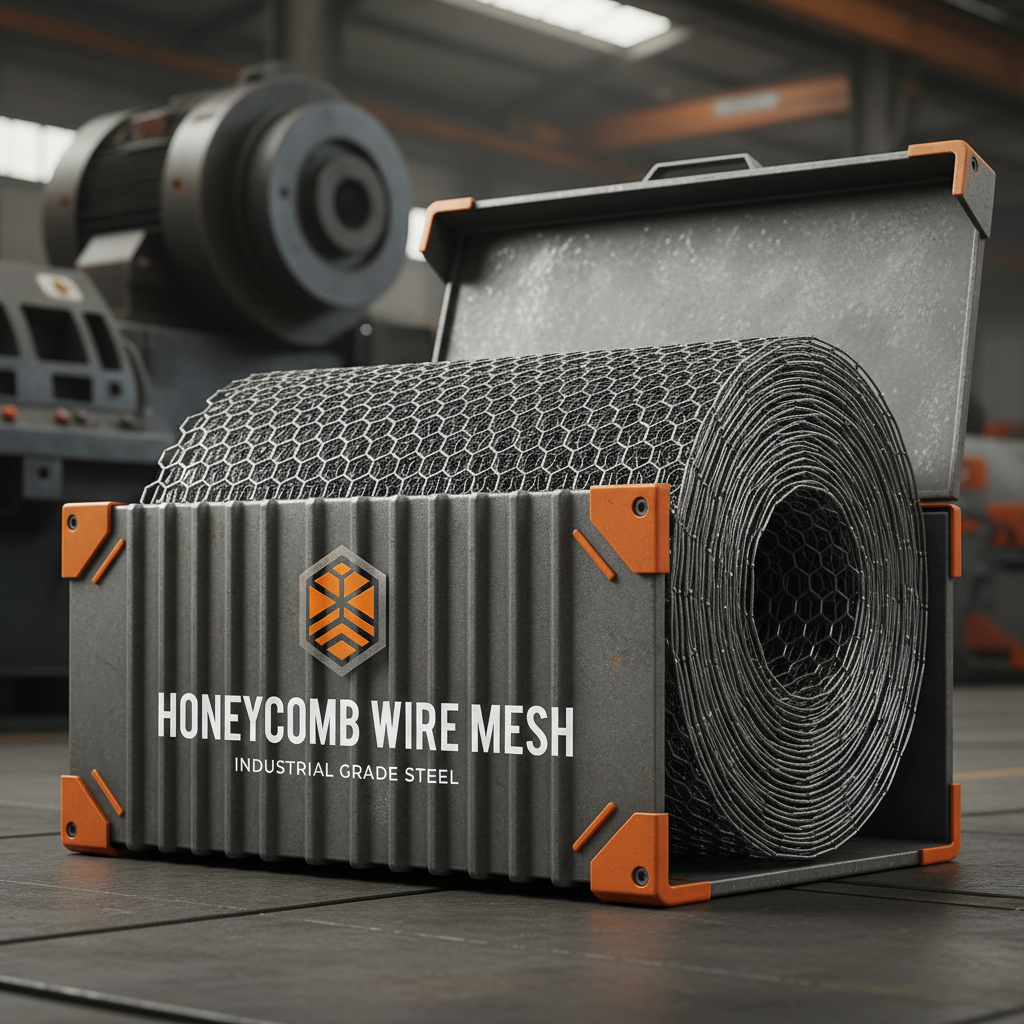
When analyzing the ss 316 wire mesh price, it is essential to understand that the cost is primarily driven by the molybdenum content in the alloy, which grants the material its superior resistance to chlorides and corrosion. Unlike standard stainless steels, Grade 316 is designed for high-stress environments where chemical stability is non-negotiable.
For procurement managers in the metal products industry, calculating the total cost of ownership involves balancing the initial investment against the longevity of the mesh. In coastal areas or pharmaceutical plants, selecting a lower-grade mesh often leads to premature failure and increased maintenance costs, making 316 the most economical long-term choice.
This guide examines the technical variables that influence current pricing, provides a comparison of alloy performances, and outlines a strategic selection process to help you secure the best value for your industrial filtration or security projects.

1Understanding the Pricing Logic of SS 316 Wire Mesh

The ss 316 wire mesh price is not a static figure but a reflection of global nickel and molybdenum markets. Because SS 316 contains 2-3% molybdenum, it is naturally more expensive than the more common SS 304. This additive creates a protective oxide layer that prevents pitting corrosion, which is critical for equipment used in marine environments or chemical processing.
Beyond raw materials, the weaving process significantly impacts the cost. Fine mesh with high wire counts requires more precision and longer production times, increasing the labor component of the final price. The tighter the weave, the higher the material density per square meter, which scales the cost upward.
Furthermore, surface finishing—such as electropolishing or passivation—adds a final layer of value. These processes remove surface contaminants and enhance the chromium-oxide layer, ensuring the mesh meets stringent sanitary or aerospace standards.
2Technical Factors Driving Material Costs
Wire gauge is a primary determinant of the total investment. Heavier gauges provide structural rigidity for security fencing and heavy-duty filtration but require more raw tonnage. Conversely, ultra-fine wires used in precision filters involve complex drawing processes that increase the manufacturing overhead.
The weaving pattern—whether it is plain, twill, or dutch weave—also influences the price. Dutch weaves, for example, are engineered for high-efficiency filtration and require a specialized loom setup, making them more expensive than standard plain weaves.
Finally, the certification level of the steel plays a role. Mill-certified material with guaranteed chemical compositions provides the traceability required for oil and gas projects, whereas non-certified commercial grade steel is cheaper but carries higher operational risk.
3High-Demand Application Scenarios
SS 316 mesh is the industry standard for pharmaceutical and food processing environments. Its ability to withstand aggressive cleaning agents and avoid leaching metallic contaminants into products makes it indispensable. In these sectors, the higher initial cost is justified by strict FDA and health compliance requirements.
In marine engineering, the presence of salt spray makes SS 316 the only viable choice for exterior mesh components. Standard stainless steels would suffer from "tea staining" and pitting within months, whereas SS 316 maintains its integrity and aesthetic appeal for years.
Chemical laboratories and refineries utilize this mesh for catalyst supports and filter elements. The resistance to organic acids and sulfuric acid ensures that the filtration system does not degrade under extreme pH levels, preventing costly unplanned shutdowns.
4Performance Metrics and Value Analysis
When evaluating the ss 316 wire mesh price, users should look at the performance-to-cost ratio. While the upfront cost is higher, the service life is often 2-3 times longer than Grade 304 in corrosive settings. This reduces the frequency of replacement and the associated labor costs.
The chart below illustrates how SS 316 outperforms industry averages across key technical domains, particularly in corrosion resistance and chemical stability, which are the primary drivers of its market premium.
ss 316 wire mesh price Performance Metrics
These metrics demonstrate that the "premium" paid for Grade 316 is effectively an insurance policy against material failure. For critical infrastructure, the risk of a mesh breach outweighs the savings achieved by using cheaper alternatives.
5Procurement Strategy for Industrial Mesh
To optimize the procurement of SS 316 mesh, buyers should consolidate their requirements into larger batches. Since setup times for weaving looms are significant, ordering custom specifications in bulk can reduce the per-unit price substantially.
It is also critical to verify the molybdenum content via a Material Test Report (MTR). Some low-cost suppliers may provide "316-like" alloys that lack the necessary molybdenum levels, leading to unexpected corrosion in the field.
Establishing a long-term relationship with a manufacturer like Jinzehong allows for better price stability through locked-in rates, protecting the project budget from sudden spikes in raw nickel prices.
6Market Trends in Stainless Steel Alloys
The trend toward sustainable manufacturing is driving a demand for higher-grade meshes that last longer. By extending the replacement cycle of filtration systems, companies reduce their total steel consumption and waste, aligning with green building and industrial standards.
Technological advancements in precision weaving are now allowing for thinner wires with higher strength, potentially reducing the overall weight and cost of the mesh without sacrificing its protective properties.
Furthermore, we are seeing an increase in hybrid coatings applied to SS 316 mesh for specialized applications, such as anti-static or hydrophobic treatments, which add further value to the base material.
7Comparative Analysis: SS 304 vs. SS 316
The most common decision for procurement teams is choosing between SS 304 and SS 316. While both are "stainless," their performance in chloride-rich environments is vastly different. SS 304 is sufficient for indoor, low-humidity applications, but fails quickly when exposed to salt or harsh chemicals.
The following table provides a clear comparison to help you determine if the ss 316 wire mesh price is justified for your specific project requirements.
| Feature | SS 304 Mesh | SS 316 Mesh | Verdict |
|---|---|---|---|
| Chlorine Resistance | Moderate | Excellent | 316 Wins |
| Pitting Corrosion | Susceptible | Highly Resistant | 316 Wins |
| Initial Cost | Lower | Higher | 304 Wins |
| Service Life (Marine) | Short | Long | 316 Wins |
| Common Use Case | Kitchens/Indoor | Marine/Chemical | Application Based |
| Molybdenum Content | None | 2-3% | 316 Technical Edge |
In summary, if your application involves saltwater, acids, or high-purity requirements, the investment in Grade 316 is not just a preference but a technical necessity to avoid catastrophic system failure.
Frequently Asked Questions
Conclusion
Navigating the ss 316 wire mesh price requires a shift in perspective from "initial cost" to "lifecycle value." While the inclusion of molybdenum makes it a more expensive investment upfront, its ability to prevent pitting and withstand harsh chemical environments makes it the most cost-effective solution for marine, pharmaceutical, and industrial filtration projects.
To ensure you receive the best value, focus on verifying material certifications and optimizing order volumes. For those seeking professional-grade stainless steel solutions with guaranteed alloy purity, you can review the available product information at www.jinzehongmesh.com.