10 Mar 2026
Wire mesh is a versatile material used across a vast spectrum of industries, from construction and agriculture to security and manufacturing. Choosing the right wire mesh types for a specific application is crucial for optimal performance and longevity. This article provides a detailed exploration of various wire mesh types, their characteristics, and common uses, guiding you towards making informed decisions. The benefits of using correct wire mesh are significant, improving efficiency, safety, and cost-effectiveness.
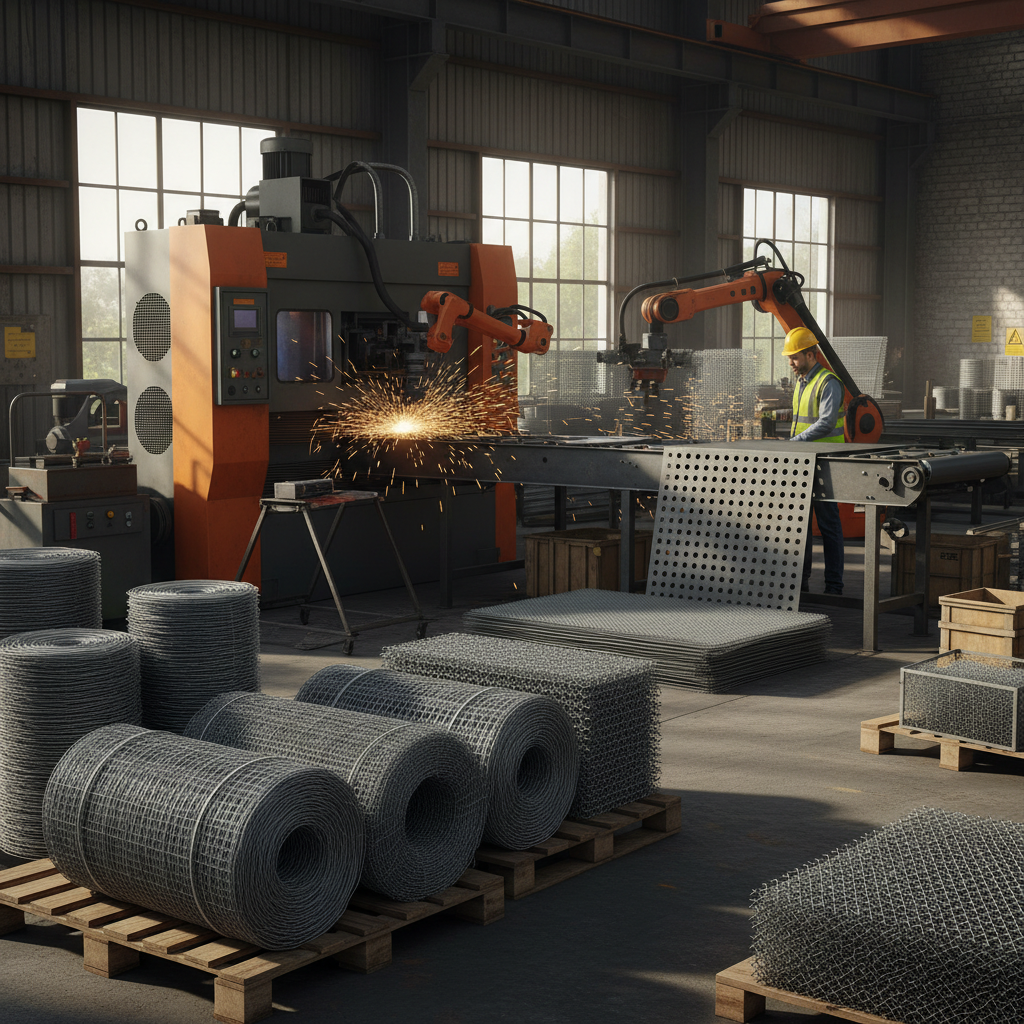
There's a broad range of wire mesh available, each with unique properties. Some of the most frequently used types include woven wire mesh, welded wire mesh, hexagonal wire mesh, crimped wire mesh, and expanded metal mesh. Understanding the differences between these is the first step in selecting the appropriate product. Factors to consider include the mesh size (aperture), wire diameter, material, and weave pattern. These all impact the strength, flexibility, and overall suitability for a given application. We'll delve into these types in greater detail throughout this guide.
Key Takeaway: Selecting the appropriate wire mesh type depends heavily on the intended application and desired properties such as strength, permeability, and cost.
Woven wire mesh is created by interlacing warp and weft wires in a plain, twill, or dutch weave pattern. This process results in a highly durable and dimensionally stable mesh. The mesh size can be precisely controlled, making it suitable for filtration, screening, and insect protection. It is available in a wide variety of materials, including stainless steel, galvanized steel, and brass. Its consistent aperture and strong construction make it a popular choice in applications needing precise separation or containment.
Woven Wire Mesh Benefits:
• High tensile strength
• Precise aperture control
• Excellent dimensional stability
• Versatile material options
While both woven and welded wire mesh serve similar purposes, they differ significantly in construction and performance. Welded wire mesh is created by welding wires at their intersection points, while woven wire mesh interlocks them. Welded wire mesh is generally more rigid and less flexible than woven wire mesh, but is typically more cost-effective. Here's a detailed comparison:
Beyond woven and welded wire mesh, several other types are widely used. Hexagonal wire mesh, often galvanized, is common in animal enclosures and erosion control. Crimped wire mesh offers increased rigidity and is used in screens and filters. Expanded metal mesh, formed by slitting and stretching metal sheets, provides a unique aesthetic and is often used for architectural applications and security grilles. Jinzehong Mesh offers a comprehensive range of all these wire mesh types, tailored to meet diverse project requirements.
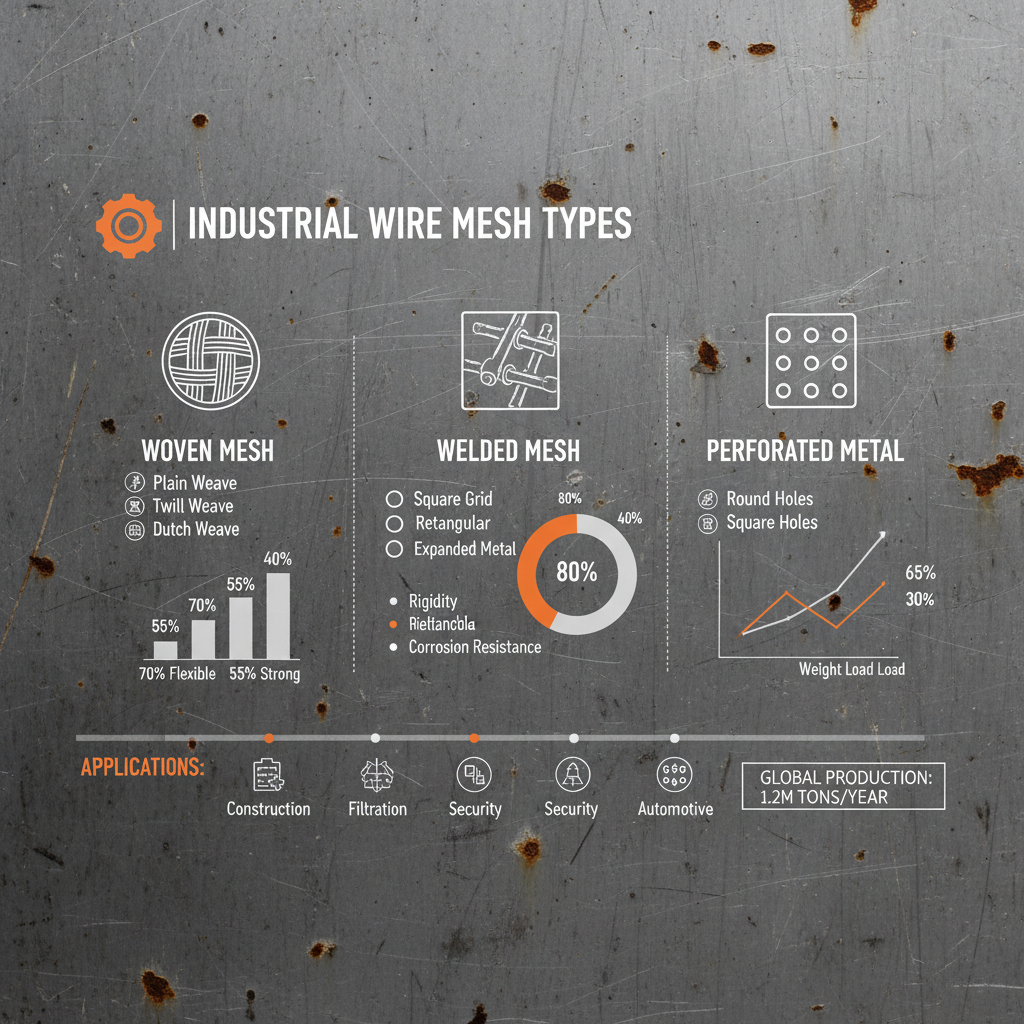
Choosing the best wire mesh depends on your specific needs. Consider factors like the load-bearing capacity, required aperture size, environmental conditions, and budget. Stainless steel offers excellent corrosion resistance, while galvanized steel provides a cost-effective solution for less demanding applications. For security, heavier gauges and smaller mesh sizes are recommended. Jinzehong Mesh offers expert guidance to help you select the ideal wire mesh for your project, ensuring optimal performance and long-term durability.
Understanding the diverse range of wire mesh types is crucial for successful project completion. By carefully considering your application requirements and consulting with experienced suppliers like Jinzehong Mesh, you can ensure you select the optimal material for your needs. Investing in the right wire mesh translates to improved performance, enhanced safety, and long-term cost savings.
Wire mesh is manufactured from a variety of materials, each offering unique properties. Common materials include stainless steel (excellent corrosion resistance), galvanized steel (cost-effective, moderate corrosion resistance), aluminum (lightweight, corrosion-resistant), brass (aesthetic appeal, moderate strength), and copper (high conductivity, corrosion-resistant). The choice of material depends on the intended application and environmental conditions. For example, stainless steel is preferred for marine applications, while galvanized steel is suitable for general outdoor use.
Mesh size refers to the number of openings (wires) per inch. It is typically expressed as "mesh count" followed by the wire diameter. For example, 10 mesh x 1mm means there are 10 openings per inch, and the wire diameter is 1mm. A higher mesh count indicates smaller openings. It's important to note that mesh size can be measured in different ways, so clarify the measurement method when ordering. Jinzehong Mesh provides detailed specifications for all our products.
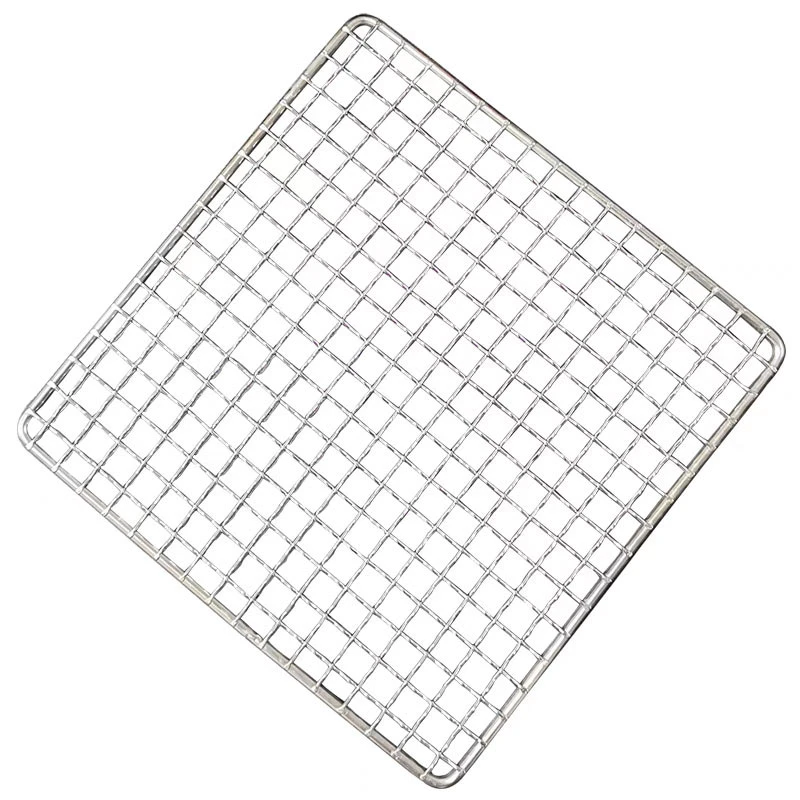
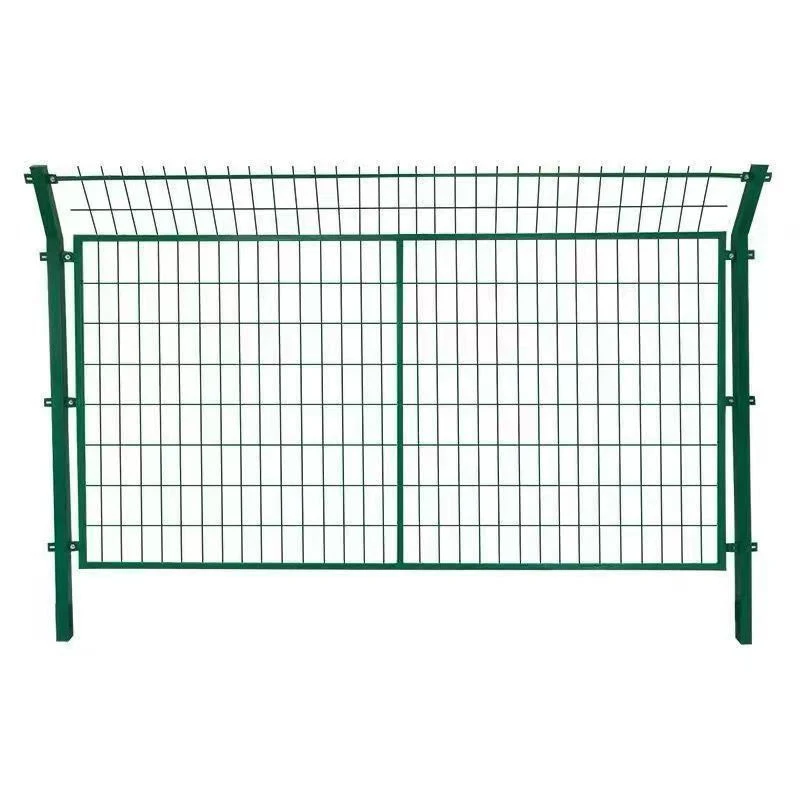
Welded wire mesh has a vast range of applications. It's commonly used in fencing (agricultural, security, pet enclosures), reinforcing concrete, making gabions (erosion control structures), creating animal cages, and as a base for stucco. Its rigid structure makes it ideal for applications requiring stability and support. It's also used in the manufacturing of shelving, baskets, and other industrial products.
Yes, absolutely! Jinzehong Mesh specializes in custom wire mesh fabrication. We can tailor the mesh size, wire diameter, material, and dimensions to meet your exact specifications. Whether you need a specific weave pattern, custom edging, or specialized finishing, we can deliver a solution tailored to your project needs. Contact us to discuss your custom wire mesh requirements.
Hit enter to search or ESC to close


