07 Mar 2026
China has become a global hub for wire mesh manufacturing, offering a vast range of products at competitive prices. Navigating this market requires understanding the types of mesh available, key manufacturers, quality control considerations, and import processes. This guide provides a comprehensive overview for international buyers looking to source wire mesh from China, ensuring a successful and cost-effective procurement experience. Understanding the intricacies of the Chinese market can lead to significant savings and access to specialized products tailored to your specific needs.
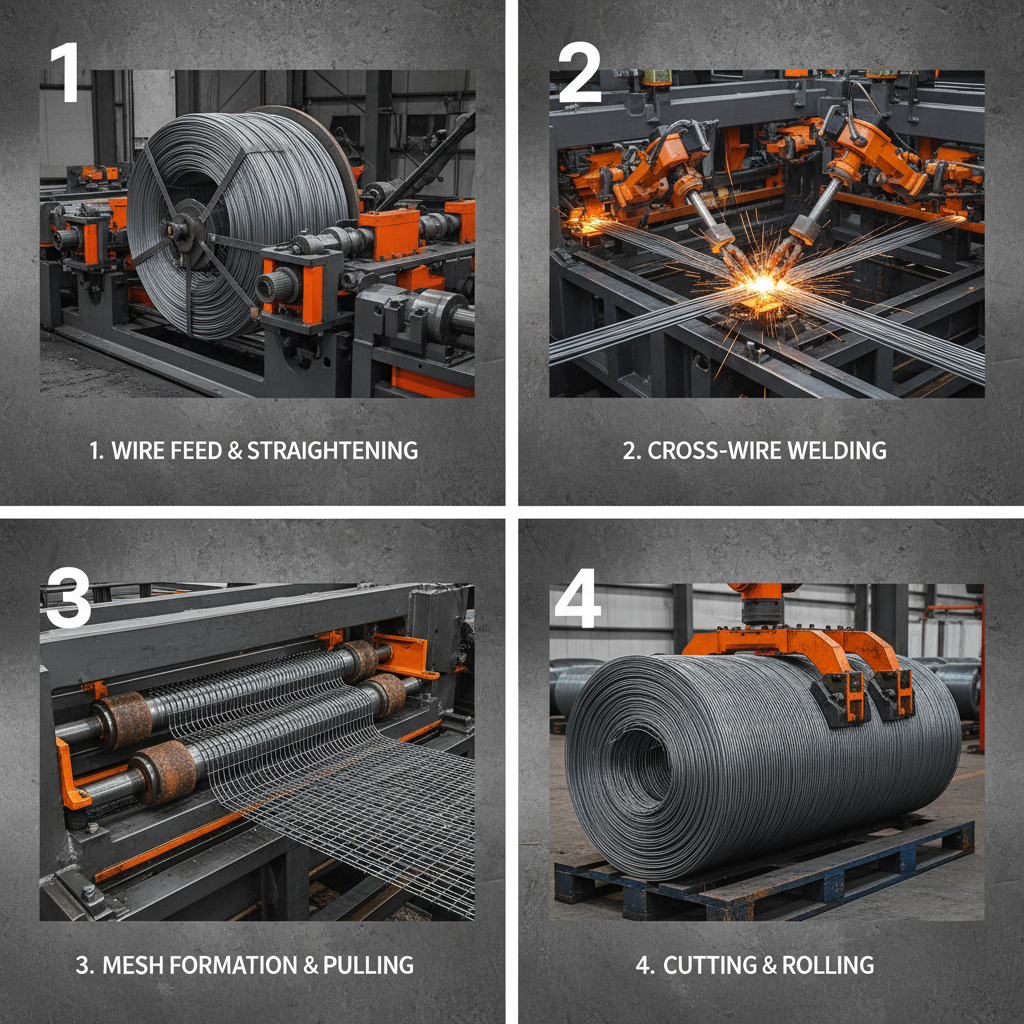
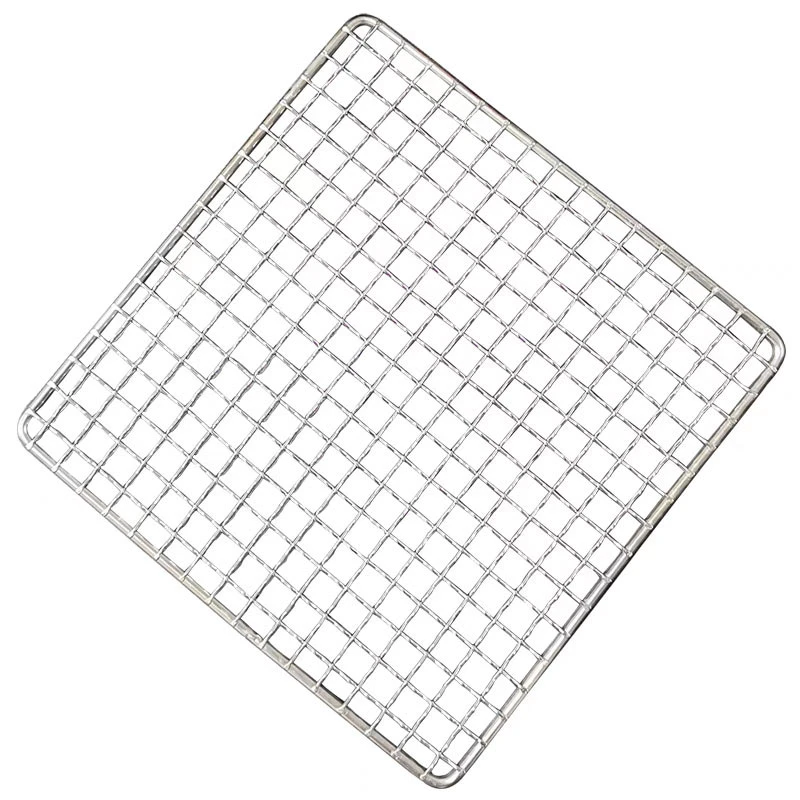
Chinese manufacturers offer a diverse portfolio of wire mesh products, catering to a wide array of industrial, commercial, and residential applications. Common types include woven wire mesh, welded wire mesh, hexagonal wire mesh (chicken wire), crimped wire mesh, expanded metal mesh, perforated metal sheet, and stainless steel wire mesh. Each type possesses unique characteristics suited for specific purposes. For instance, woven wire mesh is known for its precision and even openings, while welded wire mesh provides robustness and cost-effectiveness. The material used—stainless steel, galvanized steel, carbon steel, aluminum, and more—also significantly impacts price, durability, and application.
Key Highlights: China's wire mesh industry excels in both standard and customized products, offering flexibility to meet diverse client requirements. From small-scale orders to large bulk shipments, manufacturers can accommodate varied demands.
The material used in wire mesh significantly impacts its performance and cost. Stainless steel offers superior corrosion resistance and is ideal for marine, chemical, and food processing applications. Galvanized steel provides a balance between cost and corrosion protection, commonly used in construction and fencing. Carbon steel is the most affordable option but requires protective coatings to prevent rust. Aluminum is lightweight and corrosion-resistant, suitable for screening and decorative purposes. The choice of material should align with the intended environment and application, balancing performance requirements and budgetary constraints. Jinzehong Mesh specializes in offering a comprehensive range of materials to suit various needs.
Material Comparison:
• Stainless Steel: Excellent corrosion resistance, high cost.
• Galvanized Steel: Good corrosion resistance, moderate cost.
• Carbon Steel: Low cost, requires protective coating.
• Aluminum: Lightweight, corrosion-resistant, moderate cost.
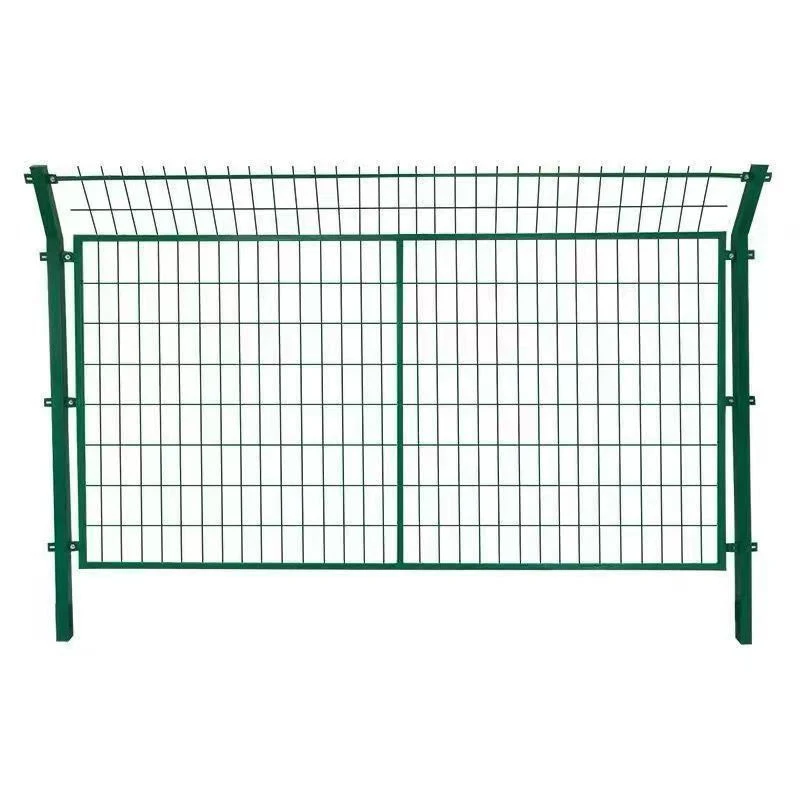
The applications for wire mesh are remarkably diverse. In construction, it's used for reinforcement in concrete, plastering mesh, and security fencing. Industrial applications include filtration, screening, and protective guards. Agriculture utilizes it for poultry fencing and animal enclosures. The food processing industry relies on stainless steel wire mesh for food-grade filtering and separation. The automotive industry uses it in filters and catalytic converters. Choosing the appropriate mesh type and material ensures optimal performance and longevity in each specific application.
Ensuring quality is crucial when sourcing wire mesh from China. Conducting thorough due diligence on potential suppliers is paramount. Request samples for testing, verify certifications (ISO 9001 is a good starting point), and consider a third-party inspection service. Clear communication regarding specifications and quality expectations is essential. Establishing a strong relationship with a reputable supplier can lead to consistent product quality and reliable delivery. Look for suppliers offering complete documentation, including material certificates and test reports. Jinzehong Mesh implements stringent quality control procedures throughout the manufacturing process.
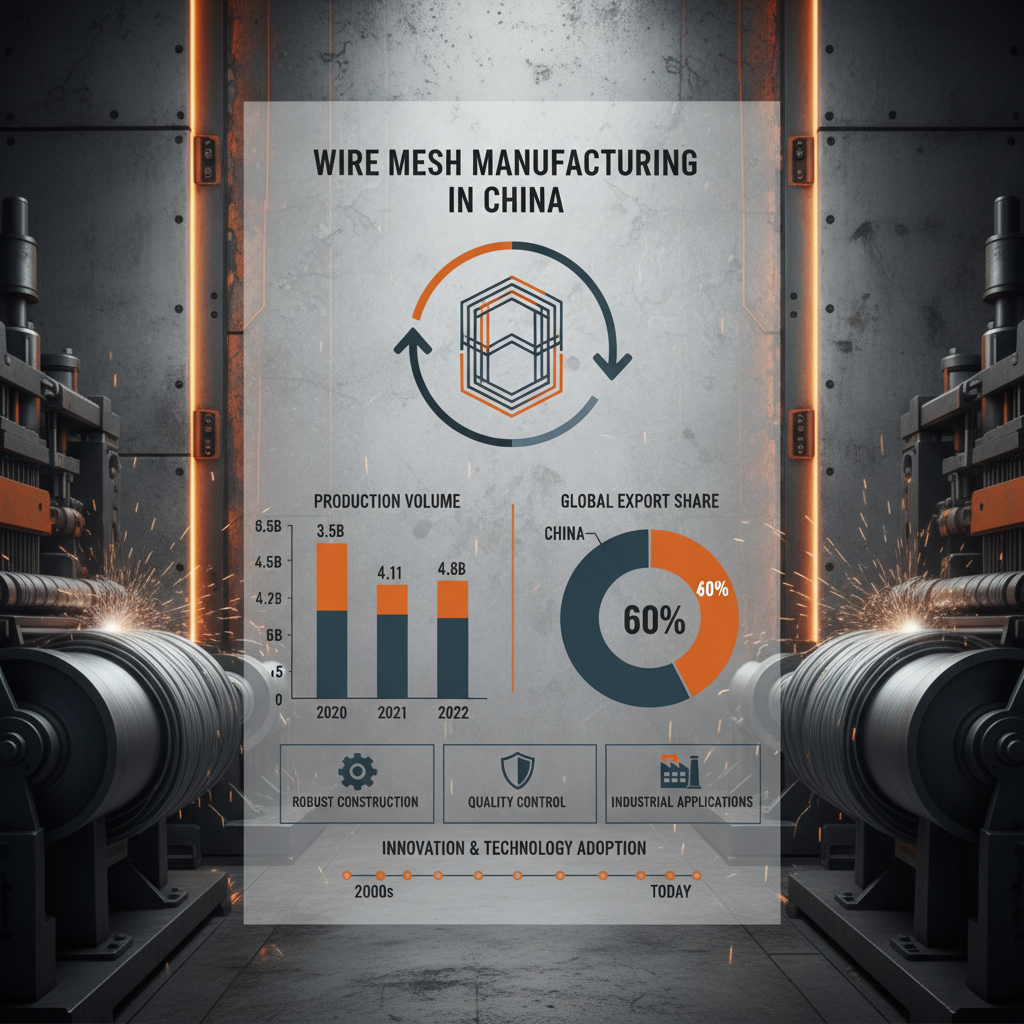
Importing wire mesh from China involves understanding import duties, taxes, and shipping regulations. Work with a reliable freight forwarder to navigate customs clearance procedures. Ensure accurate documentation, including commercial invoices, packing lists, and bills of lading. Familiarize yourself with applicable tariffs and trade agreements to minimize import costs. Consider Incoterms (International Commercial Terms) to clearly define responsibilities and costs between buyer and seller. Proper planning and coordination can streamline the import process and avoid delays.
Sourcing wire mesh from China can be a cost-effective and strategic move for businesses globally. By understanding the diverse product range, material options, quality control measures, and import processes, buyers can navigate the market with confidence. Partnering with a reputable supplier like Jinzehong Mesh ensures access to high-quality products and a seamless procurement experience. Don't hesitate to conduct thorough research and build strong supplier relationships to maximize your sourcing success.
Lead times vary depending on the order volume, complexity, and material availability. Generally, standard orders can be fulfilled within 2-4 weeks. Customized orders or large-volume shipments may require 6-8 weeks or longer. It's crucial to communicate your delivery requirements clearly to the supplier during the quotation process. Factors like port congestion and shipping schedules can also influence lead times, so it's wise to factor in buffer time to account for potential delays. Confirming lead times with the supplier before placing an order is essential for effective planning.
The most common payment methods include Telegraphic Transfer (T/T), Letter of Credit (L/C), and increasingly, online payment platforms like Alibaba Trade Assurance. T/T typically involves a 30% upfront deposit and the remaining 70% paid before shipment. L/C provides a higher level of security but can be more complex and expensive. Alibaba Trade Assurance offers a secure payment gateway with buyer protection. Negotiate payment terms with the supplier and choose a method that balances security and convenience.
Several steps can minimize the risk of receiving substandard products. First, thoroughly vet potential suppliers, checking their certifications and track record. Second, request samples and conduct rigorous testing to verify compliance with your specifications. Third, consider employing a third-party inspection service to assess the quality of the shipment before it leaves the factory. Finally, establish clear quality control standards and communication channels with the supplier to address any concerns promptly. A proactive approach to quality control is essential for a successful procurement process.
A reliable supplier should have a proven track record, demonstrated by years of experience in the industry. Look for certifications such as ISO 9001, indicating a commitment to quality management. They should offer a wide range of products, customization options, and competitive pricing. Excellent communication skills, responsiveness to inquiries, and a willingness to provide documentation and support are also crucial. Positive customer reviews and references can further validate their credibility. <a href="https://www.jinzehongmesh.com" style="color: #e74c3c; text-decoration: underline; font-weight: 600;">Jinzehong Mesh is a great option, with their commitment to quality and customer satisfaction.
Hit enter to search or ESC to close


