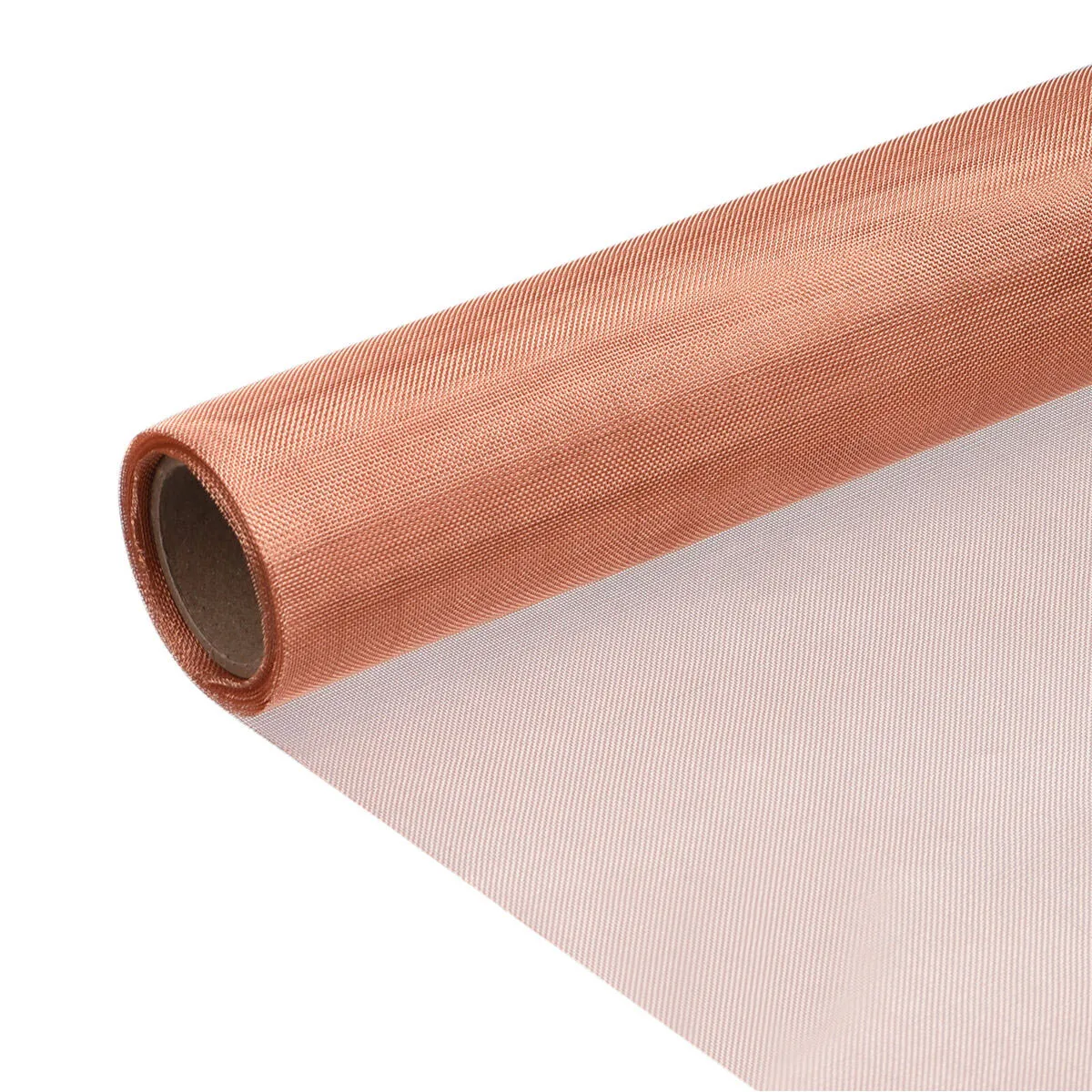
Top Quality Stainless Steel Wire Mesh Manufacturers Guide
When selecting structural accents for modern architecture, the balance between transparency and durability is paramount. Metal decorative mesh has emerged as a premier solution, blending the industrial strength of stainless steel and aluminum with the aesthetic fluidity required for high-end interior and exterior design. Whether used as a sunshade for a skyscraper facade or a sophisticated room divider in a luxury hotel, these materials provide a unique interplay of light and shadow that traditional solid walls cannot replicate.
For architects and procurement specialists, the challenge lies in matching the specific metallurgy and weave pattern to the environmental demands of the project. From the coastal salt spray of Dubai to the interior minimalism of a corporate office in New York, the right choice of material—be it polished 316 stainless steel or powder-coated aluminum—determines not only the visual impact but the long-term maintenance costs of the installation.

Engineering the Intersection of Form and Function in Decorative Mesh
Decorative metal mesh is far more than a visual screen; it is a precision-engineered building material. By utilizing materials like stainless steel, aluminum, copper, and brass, these meshes are created through specialized weaving, welding, or stamping processes. The result is a versatile medium that offers high open porosity—typically ranging from 30% to 80%—allowing for natural ventilation and light filtration while maintaining structural integrity.
The technical value of these products lies in their adaptability. For instance, plain weave structures provide a tight, regular texture ideal for precision decorations like elevator cars. In contrast, grinding weaving (crimped mesh) creates larger, three-dimensional diamond holes that generate striking shadow effects in large lobbies. Furthermore, hook and loop knitting allows the metal to become flexible, enabling the creation of organic, curved curtain walls that follow the fluid lines of contemporary architecture.
- Material Versatility: Stainless steel for corrosion resistance, aluminum for lightweight interior shapes, and copper for retro-luxury aesthetics.
- Technical Range: Wire diameters from 0.5mm to 6mm to accommodate both delicate filters and heavy-duty structural screens.
- Surface Adaptability: Options including mirror polishing, brushing, titanium plating, and custom powder spraying.

Material Selection Logic for Diverse Environmental Conditions
The longevity of a decorative installation depends entirely on the synergy between the metal grade and its placement. In high-humidity or coastal environments, stainless steel (grades 201, 304, or 316) is the non-negotiable standard due to its superior corrosion resistance. These materials are ideal for outdoor curtain walls and swimming pool surroundings where exposure to chlorides and moisture is constant.
For interior applications where weight and cost-efficiency are the primary drivers, aluminum alloy is the preferred choice. Its lightweight nature simplifies the installation process for ceiling partitions and home decorations, and its ability to be anodized or painted allows for seamless integration with interior color schemes. For high-end commercial spaces such as jewelry stores or boutique hotels, copper and brass are utilized to evoke a sense of timeless luxury, providing a rich, antique texture that evolves naturally over time.
Surface treatments further refine the product's performance. A brushed or frosted finish is recommended for high-traffic public facilities to minimize the visibility of fingerprints and scratches, whereas a mirror-polished finish is reserved for high-gloss, modern commercial environments where a futuristic aesthetic is desired.
Optimizing Spatial Design Through Functional Metal Weaves
Integrating metal mesh into a project is a strategic decision to optimize space. One of the primary advantages is the creation of "transparent partitions." In open-office layouts or shopping mall atriums, these screens define boundaries without blocking sightlines or airflow, reducing the perceived bulk of the building's internal structure while maintaining an industrial-chic aesthetic.
Beyond aesthetics, these materials serve critical functional roles:
- Solar Control: Outdoor facades use specific porosity levels to reduce solar heat gain, lowering cooling costs for the building.
- Acoustic Management: Certain weave densities can help diffuse sound waves, making them useful in large public halls to reduce echo.
- Security and Protection: Welded and woven meshes provide a physical barrier that is far more visually appealing than standard fencing or bars.
The modular nature of modern mesh installation—utilizing snap or bolt fixing—means that even complex, prefabricated shapes can be deployed rapidly on-site. This efficiency is crucial for large-scale commercial projects where construction timelines are tight and maintenance must be kept to a minimum.
Comparative Analysis of Decorative Mesh Materials and Applications
| Material | Key Strength | Recommended Finish | Primary Scenario |
|---|---|---|---|
| Stainless Steel | Corrosion Resistance | Brushed / Mirror | Coastal Facades / Outdoor Screens |
| Aluminum Alloy | Lightweight / Cost | Oxidized / Painted | Interior Ceilings / Partitions |
| Copper / Brass | Luxury Texture | Antique / Polished | High-end Hotels / Art Installations |
| Coated Steel | Color Flexibility | Powder Coated | Office Color Partitions |
| Titanium Plated | Visual Impact | Gold / Champagne | Luxury Retail / Lobby Accents |
Evaluating Supply Chain Capabilities for Large-Scale Projects
When partnering with stainless steel wire mesh manufacturers, procurement managers must look beyond the catalog and evaluate the actual manufacturing infrastructure. A reliable supplier is characterized by their ability to handle customization—ranging from specific wire diameters (0.5mm to 6mm) to complex curved shapes. The capacity to provide prefabricated modular units significantly reduces on-site labor costs and ensures a higher quality of finish.
Quality control in the weaving process is critical. Inconsistencies in the weave can lead to structural weak points or visual defects that become glaringly obvious under architectural lighting. Therefore, verifying the production equipment and the experience of the technical staff is essential. Companies with decades of experience in the "hometown of wire mesh" typically possess a deeper understanding of how different tensions and materials react during the weaving process, ensuring a product that remains stable over decades of use.
Sustainable Trends in Metal Architecture and Procurement
The shift toward green building certifications (such as LEED) is driving the demand for sustainable architectural materials. Metal meshes are inherently eco-friendly because they are 100% recyclable. Furthermore, by implementing "breathable" facades, buildings can reduce their reliance on mechanical HVAC systems, utilizing natural ventilation to maintain interior temperatures.
Looking forward, we see a trend toward "intelligent skins"—meshes integrated with lighting or sensors to respond to environmental changes. For buyers, the focus is shifting from simple procurement to a "solution-based" approach. This means working with manufacturers who can provide comprehensive guidance on the selection of materials based on the specific salt spray levels of a location or the wind load requirements of a high-rise curtain wall.
Expert Insights: Frequently Asked Questions about Decorative Mesh
What is decorative metal mesh used for in modern architecture?
It is used for both aesthetic and functional purposes, including building facades, ceiling panels, room dividers, balustrades, and art installations, providing a modern industrial look while allowing light and air to pass through.
What materials are best for outdoor coastal installations?
Stainless steel, particularly grade 316, is highly recommended for coastal areas due to its exceptional resistance to salt-induced corrosion and harsh weather conditions.
Can the mesh pattern and size be customized for specific designs?
Yes, manufacturers can customize the weave pattern (plain, twill, or dense), wire diameter, hole size, and overall dimensions to meet specific architectural requirements or artistic visions.
Is aluminum mesh a viable alternative to stainless steel?
Yes, aluminum is an excellent choice for indoor applications where weight reduction is critical and costs need to be managed, offering great flexibility for complex interior shapes.
How is decorative metal mesh typically installed?
Installation varies by project; it can be mounted using custom frames, tensioning cables, clamps, or direct bolt-fixing to a substrate, often arriving as prefabricated modular panels for efficiency.
How do I maintain the finish of the mesh over time?
Stainless steel and aluminum are generally low-maintenance and easy to clean. For polished surfaces, periodic wiping with a soft cloth is sufficient, while powder-coated finishes provide long-term protection against stains.
Technical Resources and Industry Standards
- ASTM International - Material Testing Standards
- ISO Standards for Metal Mesh Quality
- ArchDaily - Architectural Metal Applications
- LEED - Sustainable Building Materials
Selecting the right metal mesh requires a deep understanding of both metallurgical properties and architectural intent. By balancing material grade, weave structure, and surface treatment, you can create spaces that are as durable as they are visually captivating.
Explore More Technical Guides