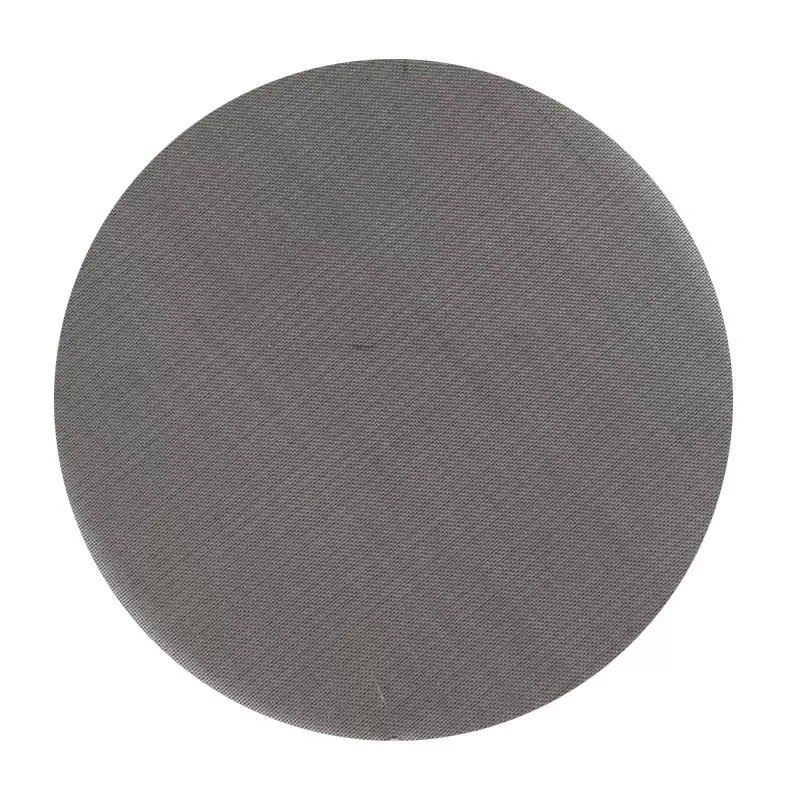
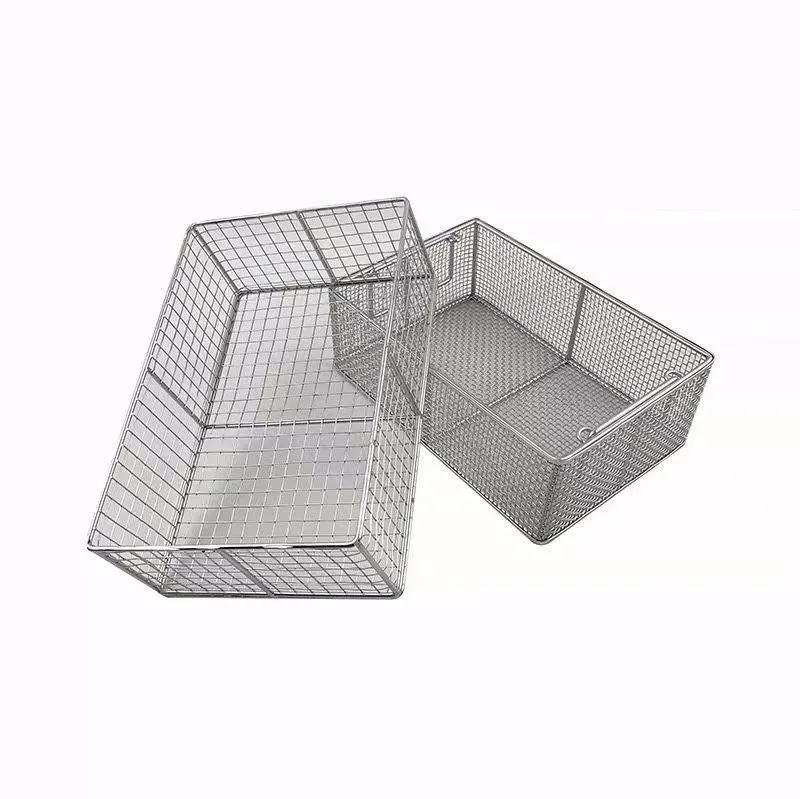
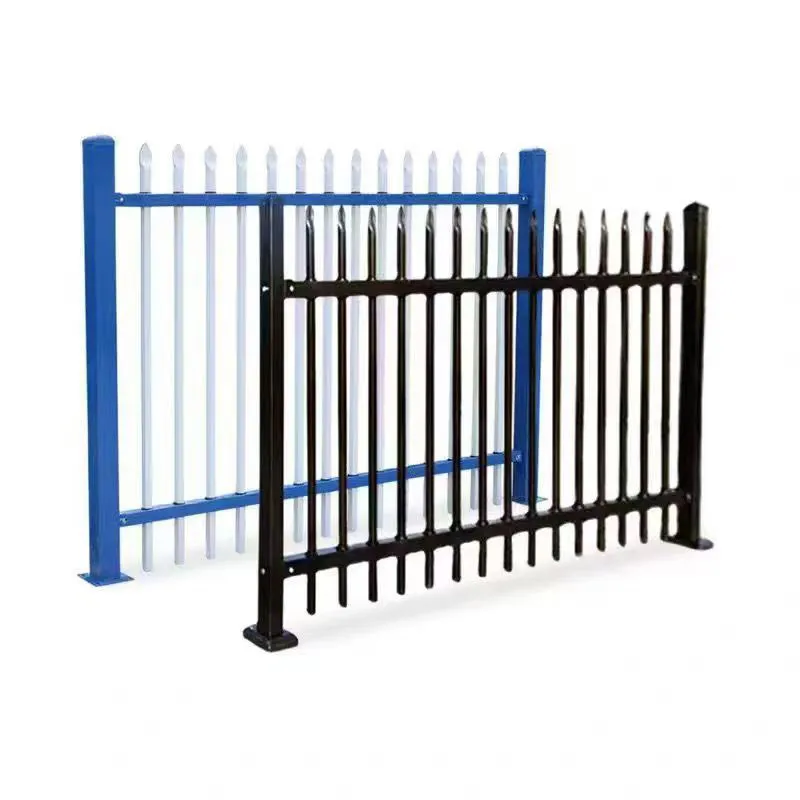
High Quality Double Sided Frame Stainless Steel Wire Mesh Price
When securing industrial perimeters or urban green spaces, the balance between structural rigidity and long-term cost-efficiency is paramount. Double-sided wire fencing, often constructed from high-grade low-carbon steel or stainless steel, provides a reinforced architectural solution by integrating frames on both sides of the mesh. This specific design prevents the common sagging associated with traditional chain-link systems and significantly enhances the impact resistance required for high-traffic environments. For procurement managers and project engineers, understanding the variables that influence the stainless steel wire mesh price—such as wire diameter, coating thickness, and material grade—is essential for optimizing project budgets without compromising on site security.

Engineering the Double-Sided Frame Structure for Maximum Stability
The primary technical advantage of a double-sided wire fence lies in its dual-reinforcement frame. Unlike single-frame panels, this construction utilizes a rectangular metal border on both the front and rear faces of the mesh. This geometry creates a rigid "box" effect, which distributes external pressure more evenly across the entire panel, effectively eliminating the deformation often seen in lightweight mesh alternatives. The welding process is critical here; high-precision joints ensure that the 4mm to 6mm wire remains taut, providing a professional aesthetic and a formidable physical barrier.
Material selection further dictates the performance of the system. While Q235 low-carbon steel is the standard for economic practicality, stainless steel options are deployed in high-corrosion environments, such as coastal regions or chemical processing plants. The ability to customize the mesh size—ranging from tight 50x100mm grids for high-security zones to 75x150mm for general boundary marking—allows engineers to tailor the permeability and security level of the enclosure to the specific needs of the site.

Advanced Anti-Corrosion Treatments for Extended Service Life
Longevity in outdoor fencing is determined by the synergy between the base material and its surface treatment. Our manufacturing process employs a multi-stage protection strategy to combat oxidation. Hot-dip galvanizing serves as the first line of defense, with zinc layer thicknesses ranging from 60μm for standard environments to 85μm for high-salinity areas. This electrochemical bond ensures that even if the outer layer is scratched, the underlying steel remains protected from rust.
For projects requiring specific aesthetics or additional chemical resistance, we offer PVC/PE plastic spraying and plastic dipping. While spraying provides a clean, professional finish (0.2-0.5mm thickness), plastic dipping offers a thicker, more resilient barrier (0.8-1.2mm) that is virtually impervious to harsh weather. This combination of galvanization and polymer coating can extend the operational life of the fence to between 8 and 15 years, drastically reducing the total cost of ownership by minimizing the need for frequent replacements or reapplications of protective paints.
Application Logic: Matching Fence Specifications to Operational Needs
Selecting the correct configuration requires an analysis of the anticipated external loads and the environmental stressors of the installation site. In road and rail projects, where wind loads and occasional debris impact are common, a height of 1.8m combined with a 5.0mm wire diameter and galvanized-plastic spray finish is typically recommended. This provides sufficient visibility for safety while maintaining a robust physical presence.
Conversely, industrial security perimeters demand a higher deterrent factor. A 2.4m height with a tighter 60x120mm mesh and 5.5mm wire diameter, anchored by flange-fixed columns, ensures that the fence can withstand attempted intrusions and heavy impacts. For urban greenery and residential partitions, a more subtle 1.2m height with 4.0mm wire and plastic dip treatment in grass green offers a blend of security and environmental harmony. By aligning the wire gauge and column spacing (typically 2.5m to 3m) with the intended use, buyers can ensure they are not over-specifying—and thus overpaying—for their project.
Technical Specification and Application Matrix
| Scenario | Recommended Height | Wire Diameter | Surface Treatment |
|---|---|---|---|
| Road/Railways | 1.8m | 5.0mm | Galvanized + Plastic Spray |
| Industrial Sites | 2.4m | 5.5mm | Hot-dip Galvanized / Flange |
| Urban Greenery | 1.2m | 4.0mm | Plastic Dipping (Green) |
| Coastal Zones | Custom | 5.0mm - 6.0mm | Heavy Galvanizing (≥85μm) |
| Residential | 1.5m | 4.0mm | PVC Coating |
Procurement Strategies for Large-Scale Fencing Projects
When evaluating quotes for reinforced mesh systems, procurement managers must look beyond the initial unit price. The actual value is found in the "installed cost," which includes the efficiency of the connection method. Snap-on connections allow for rapid deployment, significantly reducing labor hours on site, whereas anti-theft bolt fixing is essential for high-security zones where unauthorized removal of panels is a risk. Understanding these nuances prevents costly mid-project adjustments.
Additionally, the quality of the accessories—such as rain hats for columns and the thickness of the mounting flanges (recommended ≥ 4mm for cement floors)—determines whether the fence maintains its integrity over time. A supplier's ability to provide integrated solutions, from the columns (Φ48-75mm) to the custom-sized mesh panels, ensures consistency in material quality and simplifies the logistics chain. By requesting detailed specifications on zinc layer thickness and coating micron levels, buyers can objectively compare suppliers and avoid the risks associated with sub-standard, low-cost alternatives.
Future Trends in Boundary Security and Material Science
The industry is moving toward "intelligent enclosures" where the physical barrier is integrated with sensors. However, the fundamental requirement remains a high-strength physical substrate. We are seeing an increased demand for hybrid materials that combine the strength of low-carbon steel with the extreme corrosion resistance of stainless steel components in critical joints. This targeted application of materials allows for a more optimized cost structure while maintaining performance in aggressive environments.
Furthermore, the shift toward sustainable manufacturing is driving the adoption of more eco-friendly powder coatings and recycled steel sources. As environmental regulations tighten, the ability of a manufacturer to provide certifications for their coating processes and material origins becomes a competitive advantage. For the modern buyer, the goal is to secure a system that is not only durable and secure but also aligns with corporate ESG (Environmental, Social, and Governance) goals, ensuring the infrastructure is future-proofed against both physical wear and regulatory changes.
Technical FAQ: Understanding Double-Sided Frame Fencing
What is a frame fence and where is it typically used?
A frame fence is a type of welded or mesh panel fence supported by a rectangular metal frame. It is commonly used for residential properties, construction sites, factories, schools, public areas, and farms due to its stability, durability, and easy installation.
What materials are used in frame fences?
Frame fences are usually made from galvanized steel or stainless steel for corrosion resistance. The frame and mesh are often powder-coated or PVC-coated to provide extra protection and a clean, professional finish.
Can the frame fence be customized in size and color?
Yes, we offer customization services. The height, width, mesh size, wire thickness, and frame color can all be tailored to meet your specific project requirements.
How is a frame fence installed?
Frame fences are installed using mounting brackets, anchor bolts, or ground posts. The installation process is quick and straightforward, requiring minimal tools and labor.
Is the frame fence suitable for long-term outdoor use?
Absolutely. With its rust-resistant coatings and sturdy structure, the frame fence is designed to withstand harsh weather conditions and maintain its appearance and strength for many years.
How does the double-sided frame improve stability compared to single frames?
The double-sided design adds a reinforcing wire frame to both sides of the mesh, creating a rigid structural box that prevents sagging and significantly increases the fence's resistance to external impacts and wind pressure.
Industry Technical References
- ASTM International - Material Standards for Steel Fencing
- ISO Standards for Corrosion Protection and Galvanizing
- World Steel Association - Technical Guidelines on Low Carbon Steel
- NIST - Material Strength and Durability Research
Whether you are specifying fences for a high-security industrial complex or a municipal park, the right combination of material grade and surface treatment is the key to long-term value. We invite you to contact our engineering team for a detailed specification review and a customized quote tailored to your environmental conditions.
Related Technical Solutions