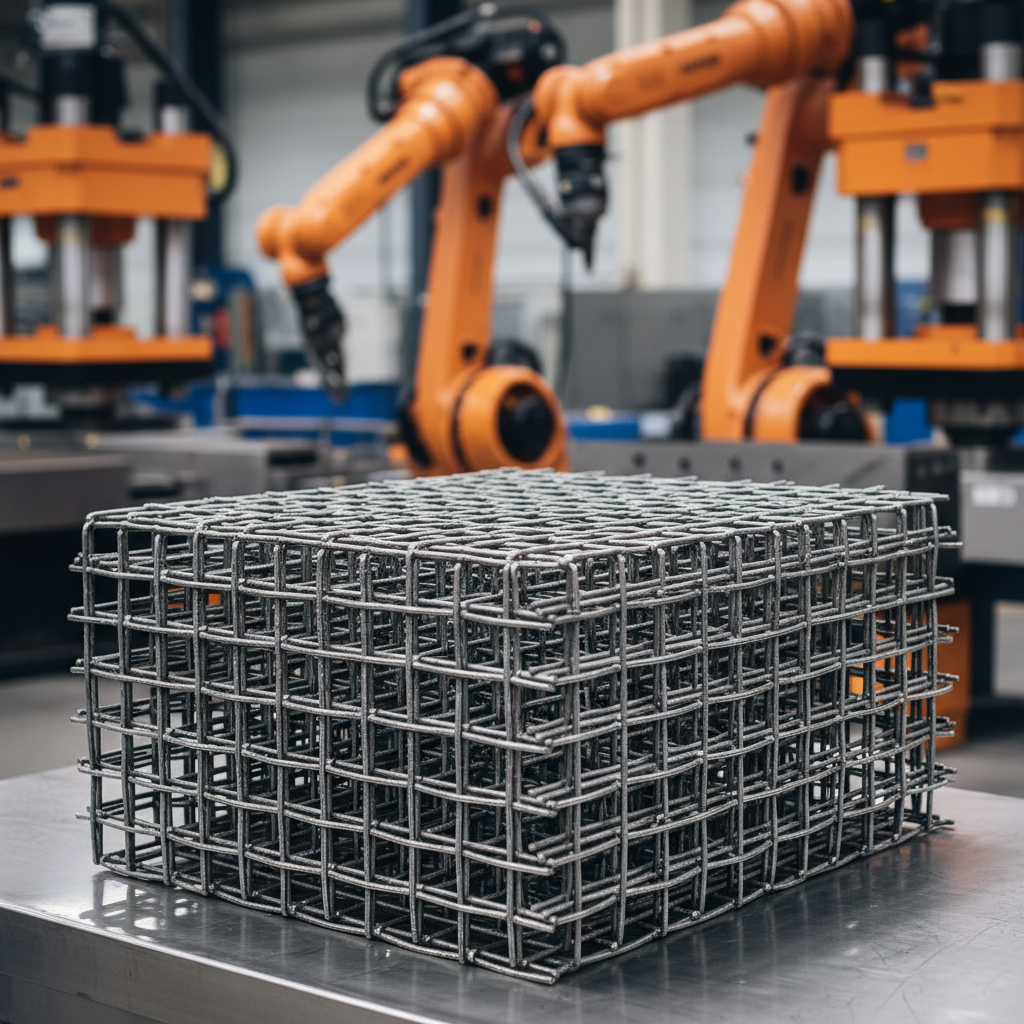
Selecting the right partner for industrial filtration or architectural cladding requires more than a simple price comparison. For procurement officers and architects, identifying reliable stainless steel wire netting suppliers means balancing material purity, weaving precision, and long-term corrosion resistance. This guide examines the technical criteria necessary to ensure that the chosen mesh meets rigorous structural and aesthetic demands.
The B2B landscape for metal textiles is diverse, ranging from heavy-duty industrial filters to high-end decorative facades. A common challenge for buyers is the variance in alloy quality and surface treatment consistency, which can lead to premature oxidation or structural failure in coastal or high-humidity environments. Understanding the relationship between wire diameter, open porosity, and material grade is essential for optimizing both performance and cost.
In the following analysis, we will explore the critical evaluation metrics for vendor selection, the technical differences between plain and twill weaves, and how to implement modular installation systems. By the end of this article, project managers will have a framework for assessing manufacturing capabilities and ensuring that the final product aligns with the specific environmental stressors of their application site.
Technical Foundations of Metal Mesh Procurement
The core value of stainless steel wire mesh lies in its ability to combine strength with permeability. From a technical perspective, the integrity of the mesh is determined by the synergy between the alloy composition—typically grades 201, 304, or 316—and the mechanical precision of the weaving process. High-quality stainless steel wire netting suppliers employ advanced looms to maintain consistent wire tension, which prevents warping and ensures a uniform open area. This uniformity is critical for filtration applications where a deviation of a few microns can compromise the entire system's efficiency. Beyond the raw material, the manufacturing environment plays a role; the use of specialized coating particles and precision polishing techniques allows metal meshes to withstand extreme conditions, from the salt spray of coastal regions to the arid heat of desert installations. Understanding these fundamentals allows buyers to move beyond generic specifications and request data-driven quality guarantees.
Strategic Guide to Evaluating Mesh Vendors
Evaluating a manufacturer requires a deep dive into their production capacity and technical versatility. A capable supplier should not only provide a catalog of standard products but also offer engineering support for customized shapes and specialized finishes. The following dimensions outline the essential checkpoints for a professional procurement audit.
Material Grade Verification
The choice of alloy directly impacts the lifecycle cost. While 304 stainless steel is suitable for general indoor use, grade 316 is mandatory for marine or chemical environments due to its molybdenum content, which prevents pitting corrosion. Buyers should verify the material certification to ensure the alloy is not downgraded. For instance, Anping County Jinzehong utilizes a variety of high-strength stainless steels to ensure that outdoor curtain walls and coastal projects maintain their structural integrity over decades.
| Alloy Grade | Key Property | Recommended Scenario | Risk Factor |
|---|---|---|---|
| Stainless Steel 304 | General Corrosion Resistance | Indoor Partitions / Ceiling | Moderate Salt Exposure |
| Stainless Steel 316 | High Molybdenum Content | Coastal Facades / Marine | Higher Initial Cost |
| Aluminum Alloy | Lightweight / Oxidizable | Complex Interior Shapes | Lower Mechanical Strength |
| Copper/Brass | Retro Aesthetic | High-end Hotel Lobby | Oxidation Over Time |
| Coated Steel | Custom Color/Weathering | Office Color Partitions | Coating Degradation |
| Titanium Plating | Extreme Durability | Art Installations | Complex Processing |
Weave Pattern Influence
The weaving method determines the mesh's transparency, strength, and tactile feel. Plain weave offers a regular, tight structure ideal for precision decoration. In contrast, twill or "grinding" weaves create a three-dimensional effect with larger holes (20-100mm), which are superior for light and shadow play in architectural lobbies. Selecting the wrong weave can lead to insufficient privacy or poor wind-load performance in exterior screens.
Surface Treatment Standards
Surface finishes are not merely aesthetic; they are functional barriers. Polished or mirror finishes provide a modern look and are easy to clean, whereas brushed or frosted surfaces hide fingerprints and are better for high-traffic public facilities. Advanced plating, such as gold or antique copper, allows for luxury styling in jewelry stores or hotels without sacrificing the strength of the underlying steel.
Customization Capabilities
True manufacturing excellence is shown in the ability to handle non-linear requirements. This includes the production of curved curtain walls or spiral staircases using hook-and-loop knitting. A supplier with 20+ years of experience, such as Jinzehong, can manage wire diameters from 0.5mm to 6mm and adjust open porosity between 30% and 80% to meet specific airflow or visibility needs.
Installation Integration
The efficiency of a project often depends on the installation method. Modular systems using snap or bolt fixing reduce on-site labor and increase precision. For complex architectural forms, prefabrication is the only viable path. Buyers should inquire whether the vendor provides mounting frames or tension systems to ensure the mesh remains taut and does not sag over time.
Environmental Adaptability
Environmental stress tests are critical. Metal mesh used in the Sahara must resist sand abrasion and extreme UV exposure, while mesh in the Arctic must avoid brittle failure at low temperatures. The application of specialized coatings ensures that the metal "breathes" and expands without cracking the finish, a technical detail that distinguishes premium manufacturers from low-cost alternatives.
Supply Chain Reliability
For large-scale projects, the ability to maintain consistency across thousands of square meters is paramount. A vendor with a significant production footprint (e.g., 5,000 square meters of facility) and a dedicated R&D team can ensure that the first panel matches the last. Evaluating the annual export volume and the number of countries served provides a proxy for the supplier's ability to handle international logistics and compliance.
FAQ
What is the primary difference between 304 and 316 stainless steel mesh?
The primary difference is the addition of molybdenum in grade 316, which significantly enhances its resistance to chlorides and pitting corrosion. While 304 is excellent for most interior and mild outdoor environments, 316 is the industry standard for marine applications, chemical processing plants, and coastal architectural facades where salt spray is prevalent.
How do I choose between plain weave and twill weave for a building facade?
Plain weave is best for applications requiring a tight, uniform texture and higher structural rigidity. Twill weave (or grinding weave) creates a more pronounced three-dimensional effect and larger openings, making it ideal for lobbies or art screens where light filtration and shadow aesthetics are the priority over tight enclosure.
Can decorative metal mesh be used for outdoor sunshading?
Yes, metal mesh is highly effective for sunshading. By adjusting the wire diameter and the open porosity (typically between 30% and 80%), architects can control the amount of natural light entering a building while maintaining ventilation. Stainless steel and powder-coated aluminum are the preferred materials for these outdoor applications due to their weather resistance.
What surface treatments are most durable for high-traffic areas?
Brushed and frosted finishes are the most durable for high-contact areas because they are wear-resistant and effectively hide scratches and fingerprints. For areas requiring high visibility and a luxury feel, polished mirror finishes are used, though they require more frequent cleaning to maintain their appearance.
How should I evaluate a potential mesh manufacturer's capacity?
Check for three main factors: production infrastructure (number of looms and facility size), experience (years in the industry and portfolio of completed projects), and customization ability (range of wire diameters and surface treatments offered). A supplier with a global export record typically indicates a better understanding of international quality standards and logistics.
Is modular installation always better than custom framing?
Modular installation is generally faster and more cost-effective for standard architectural panels. However, for complex, organic, or curved structures, custom framing is necessary to ensure the mesh follows the design's contours without distorting the weave pattern. The choice depends entirely on the geometric complexity of the project.
References and further reading
- International Standards for Stainless Steel Wire Mesh (ASTM/ISO)
- Architectural Metal Textiles: Application and Performance Guide
- Corrosion Resistance Analysis of Austenitic Stainless Steels in Marine Environments
Related Articles